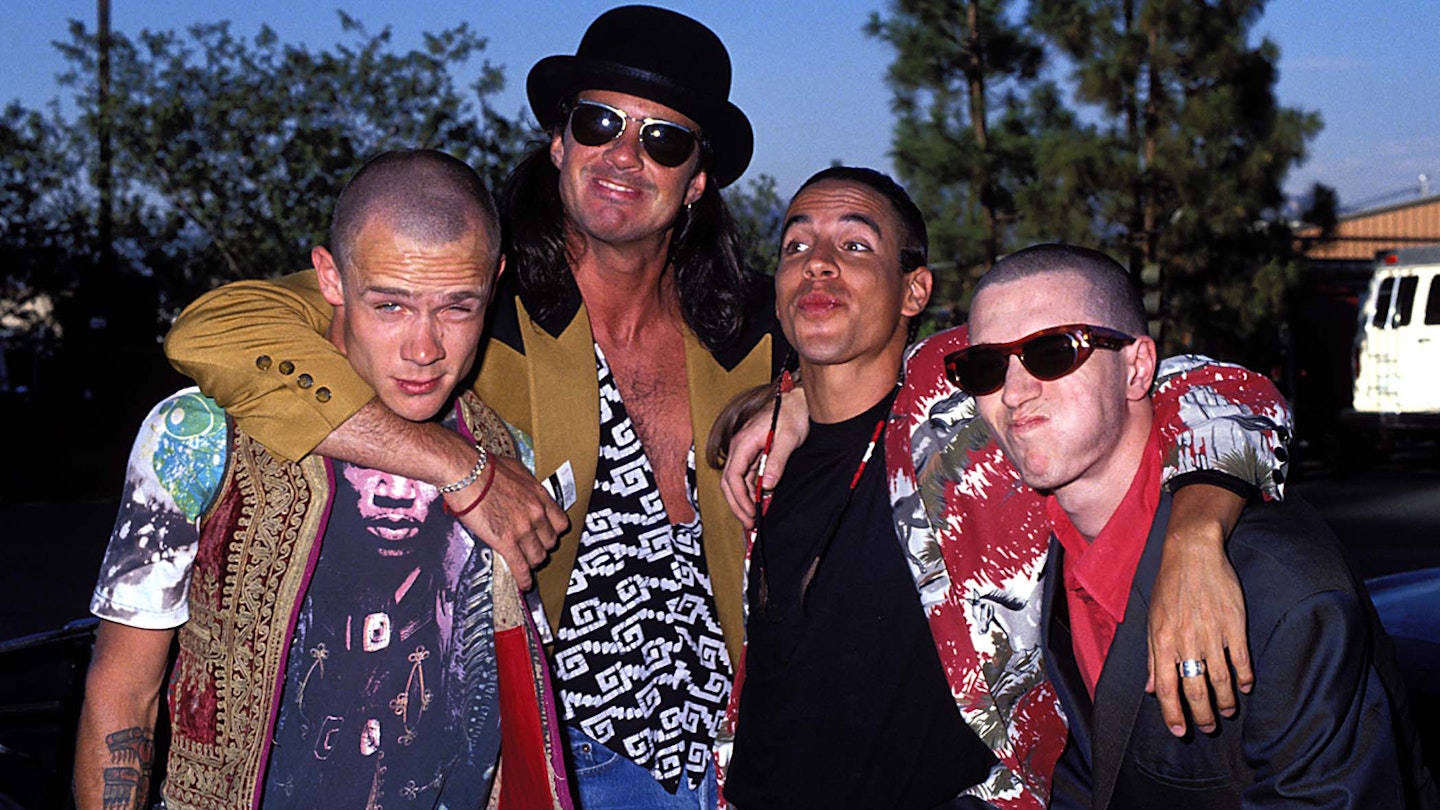
Often caught minus their shirts, but never without a lyric about California, few bands have proven to be as polarising as Red Hot Chili Peppers over the years. For some they will always be defined, and judged, by the hedonism of their early years – their musicality overshadowed by their tube-socks-on-cocks antics and endless rhapsodising of America’s West Coast. Yet to many others, they are revered musical alchemists who engineered an innovative fusion of funk, metal, hard rock and hip-hop that was entirely their own, while also proving capable of emotional depths their detractors overlook far too often.
What isn’t up for debate is just how successful they have been. Since forming in 1982, across the course of 40 years and counting they have sold over 80 million albums, headlined festivals and won Grammys, with their cultural imprint detectable not only in successive generations of bands, but also hit TV shows and even an appearance in reclusive Hollywood auteur Terrence Malick’s 2017 film Song To Song.
Most famous for its core-four line-up of singer Anthony Kiedis, bassist Flea, drummer Chad Smith and their on-and-off-and-on-and-off-and-on-again guitarist John Frusciante, they are a band that have weathered a lot. There has been tragedy (most notably death of founding guitarist Hillel Slovak in 1988), battles with addiction, various destabilising personnel changes and shifting commercial fortunes, yet always they have endured against the odds. Here, MOJO goes road trippin’ through their back catalogue…
13.
Freaky Styley
(EMI, 1985)
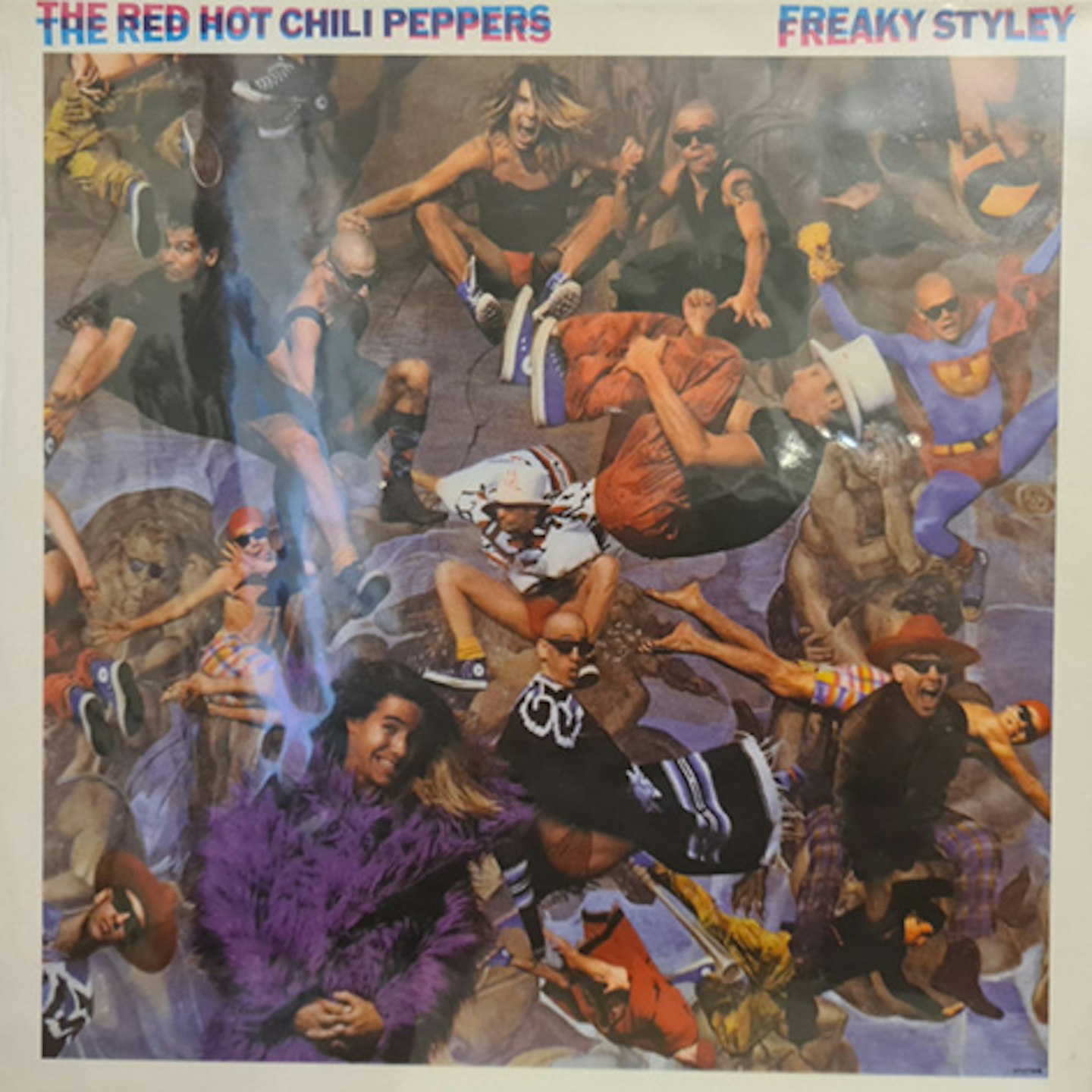
There isn’t that much to separate the juvenilia of Red Hot Chili Peppers’ self-titled debut and its follow-up Freaky Styley. On the one hand, recruiting Parliament-Funkadelic legend George Clinton as its producer ensured songs like Jungle Man and The Brothers Cup possessed a polish, confidence and direction that their debut lacked. What helps make the decision to label this their worst outing is simply that the lows are so low. Even for the 1980s, Sex Rap is cretinous and vulgar and yet the ill-advised Catholic School Girls Rule is somehow much, much worse. RHCP are utterly torpedoed by their libidos here.
Key track: Jungle Man
12.
The Red Hot Chili Peppers
(EMI, 1984)
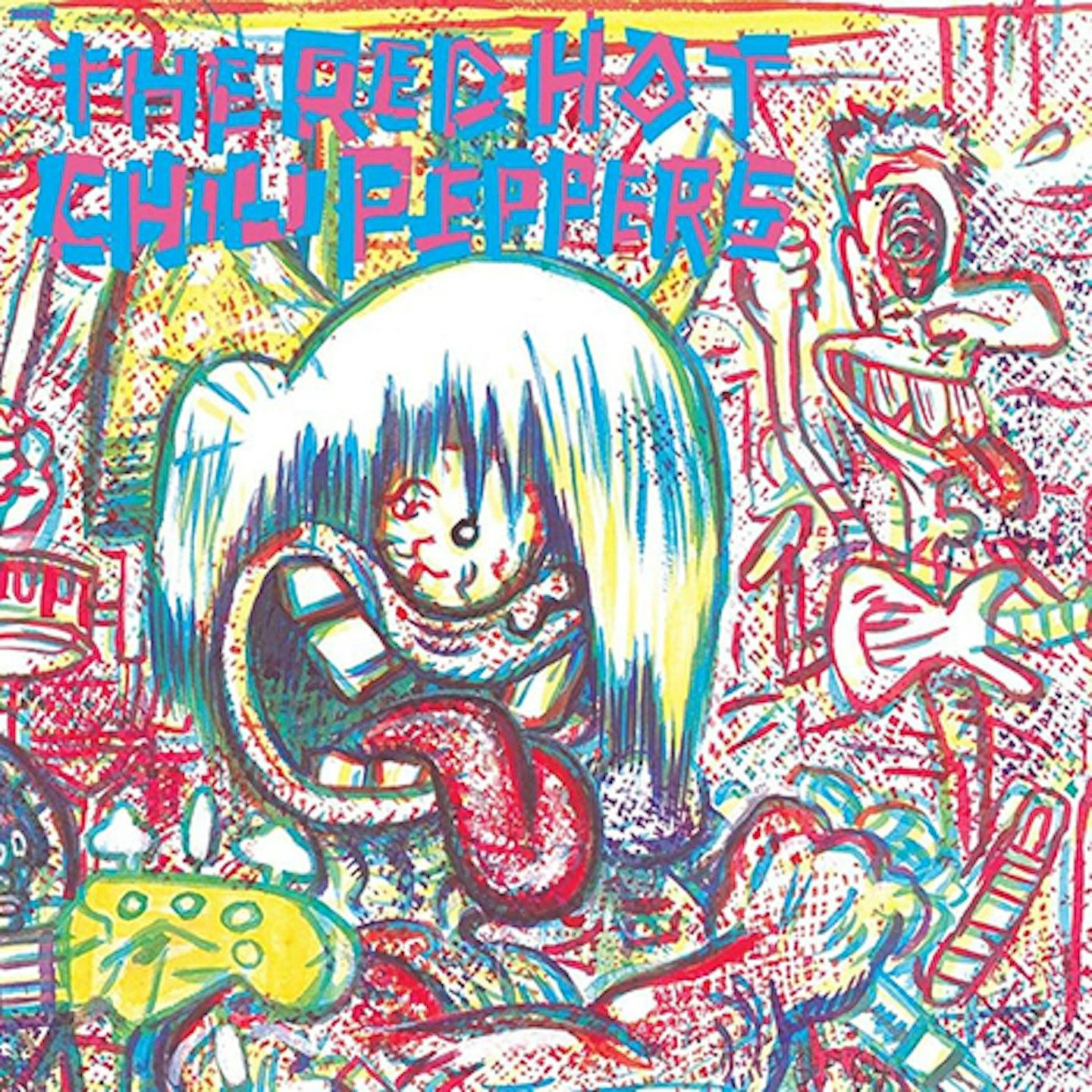
Perhaps nothing speaks to the marmite nature of RHCP’s early years than a telling anecdote relayed in Anthony Keidis’ 2004 memoir Scar Tissue. In the book, the singer recalls the time he stumbled across the studio notes of their debut’s producer Andy Gill (of Gang Of Four fame) regarding their song Police Helicopter. “Shit” was the blunt, one word appraisal offered by Gill. In contrast, Keidis heard a song that “embodied the spirit of who we were, which was this kinetic, stabbing, angular shocking assault force of sound and energy.” And to be fair, whatever their debut lacks in masterful songwriting, it makes up for in capturing a band joyously lost in their own funky odysseys like Get Up And Jump and Out In LA. For better and worse, it’s like eavesdropping on a frenetic jam session.
Key track: Out In LA
11.
One Hot Minute
(Warner Bros,1995)
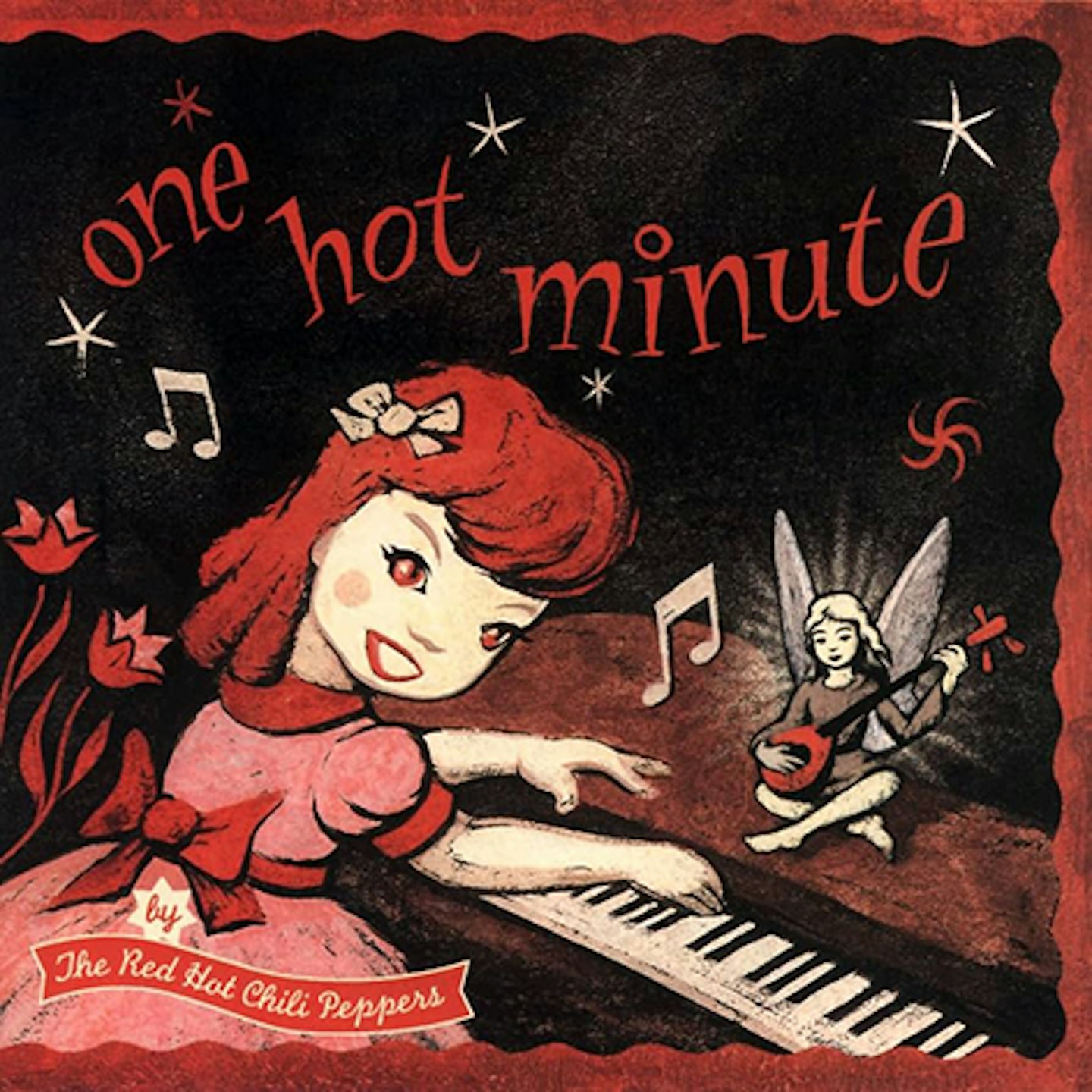
Since joining in 1988, John Frusciante had been the Chili Peppers’ not-so-secret weapon, his guitar histrionics lighting up everything they did. When he suddenly quit mid-tour in 1992, RHCP were not only left with the unenviable task of following their most successful record to date, 1991’s Blood Sugar Sex Magik, but also finding a guitarist who could equally captivate fans. Enter: Jane’s Addiction’s Dave Navarro. A very talented and chameleonic guitarist in his own right, in theory this union should have worked. In reality it didn’t. Though together they served up some hits (Aeroplane narrowly missed the UK Top 10), ultimately this Rick Rubin-produced set fell short of BSSM’s lightning-in-a-bottle impact. Navarro was summarily dismissed in 1998. While often thought of as a failure, tracks like Warped and Coffee Shop are compelling for leaning in a heavier direction while My Friends served up one of their best introspective moments. One Hot Minute is certainly not a triumph, but it’s also not as bad as its fiercest critics like to argue.
Key track: Aeroplane
10.
The Uplift Mofo Party Plan
(EMI, 1987)
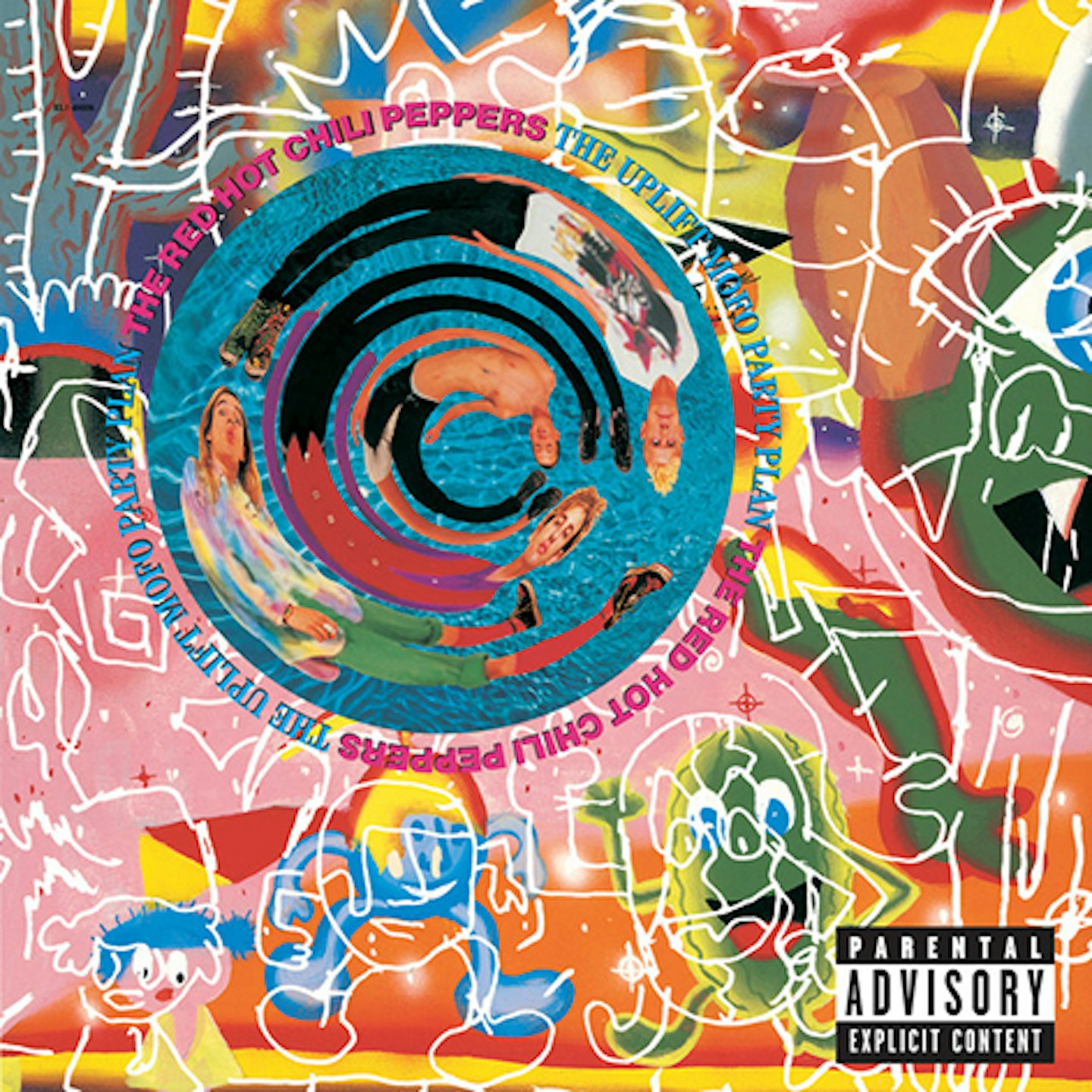
Let’s start with the bad. RHCP’s The Uplift Mofo Party Plan – the only record to feature all four original founding members on every track, despite actually being their third outing – contains a diabolically unnecessary cover of Bob Dylan’s Subterranean Homesick Blues. For another it boasts Party On Your Pussy – later rechristened as Special Secret Song Inside – the master tapes of which should have been incinerated as soon as recording finished. But elsewhere there is ample evidence of a band improving both as musicians and songwriters courtesy of the stomping Fight Like A Brave, the Sitar-assisted Behind The Sun, not to mention Flea’s elastic bassline antics on Me And My Friends. As the last album to feature both founding member Hillel Slovak before his fatal heroin overdose in 1988 and drummer Jack Irons, there is real poignance to this record, too. It was the end of an era.
Key track: Fight Like A Brave
9.
The Getaway
(Warner Bros, 2016)
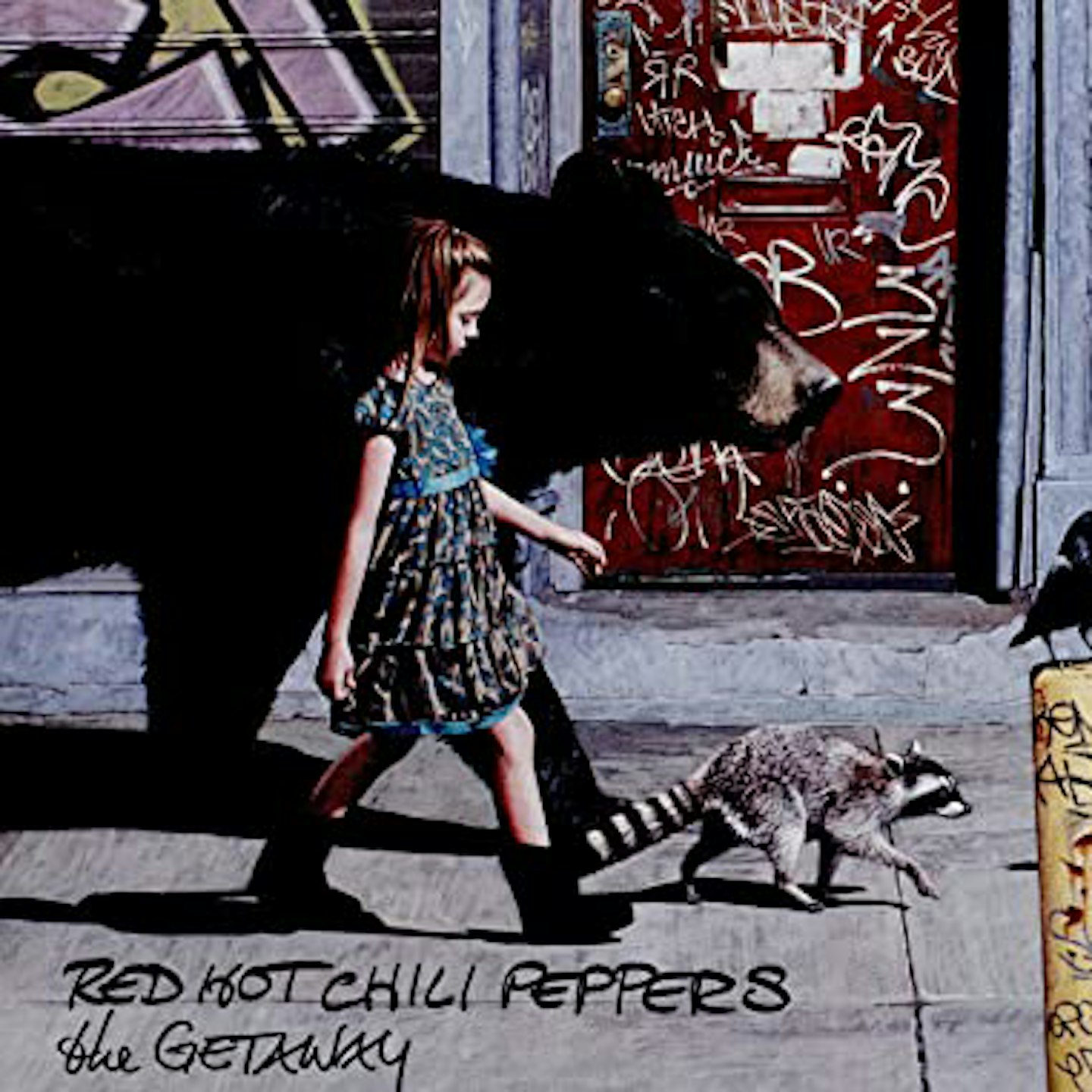
Upon release The Getaway received a polite, if not somewhat muted, response from fans and critics alike. Going some way to explain this is that it’s often, well, quite weird. Out was long-term collaborator Rick Rubin on production, in was Danger Mouse who wrested some unorthodox – at least for RHCP – ideas out of the group. And the weirder The Getaway gets, the better it is. Dark Necessities builds from a cinematic piano intro towards a funk strut enhanced with a string section, Detroit has a church bell accenting it while the scuffed-up riff of This Ticonderoga provides a welcome injection of decibels. Ultimately, however, such exploration would only lead them back to where they’d already been. In 2019, guitarist Josh Klinghoffer exited, and the door was wide open for John Frusciante to make his return.
Key track: Dark Necessities
8.
I’m With You
(Warner Bros, 2011)
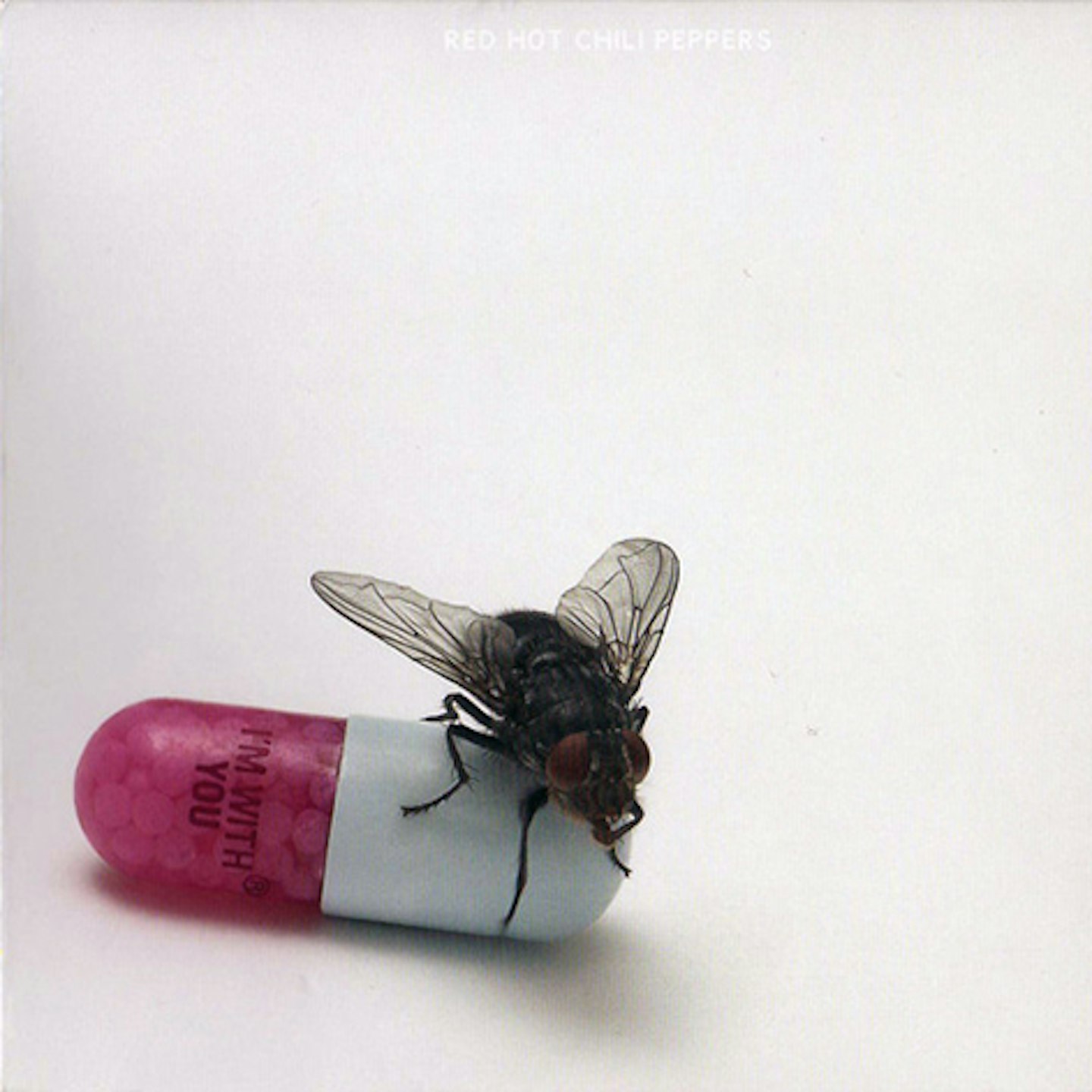
Recurring theme alert: when John Frusciante left the Chili Peppers for the second time, his departure posed something of an existential crisis for Keidis, Flea and Smith as they went into their 10th album. Their salvation came in the form of new guitarist Josh Klinghoffer. For his part more often than not, their fresh recruit wisely decided to avoid any Frusciante fetishism in his playing, and instead steered them towards a more restrained approach on I’m With You. Bar The Adventures Of Rain Dance Maggie, there is nothing threatening to become a stadium-ready RHCP anthem here, but what it offers instead are moments of real intrigue courtesy of subtle touches and textures. Its finest track is the elegiac Brendan’s Death Song – dedicated to Brendan Mullen, a live promoter who believed in them in their early years.
Key track: Brendan’s Death Song
7.
Return Of The Dream Canteen
(Warner Bros, 2022)
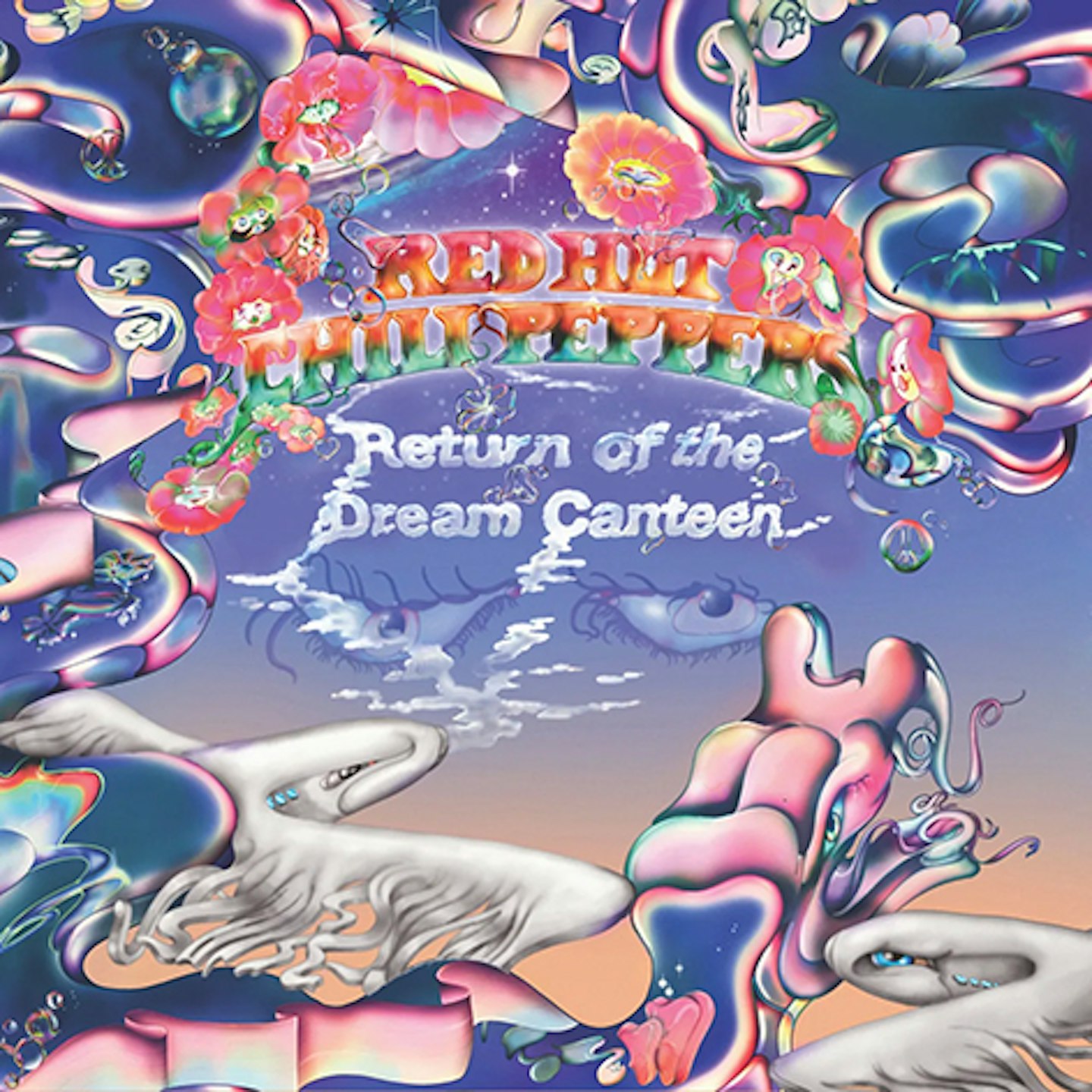
RHCP’s second album of 2022 – and most recent to date – came as a surprise, arriving as it did just six months after their long-awaited Frusciante reunion record Unlimited Love. Recorded in the same sessions as Unlimited Love it shares much of its DNA: the sound of a band joyfully rediscovering their chemistry across all of their musical disciplines, be it the synth-assisted The Drummer or Eddie featuring a dreamy guitar passage. Warning, however: it also contains two of their most grating entries in the form of Tippa My Tongue and My Cigarette. Such blunders aside, ROTDC left RHCP enjoying a remarkable third wind with Frusciante.
Key track: Eddie
6.
Unlimited Love
(Warner Bros, 2022)
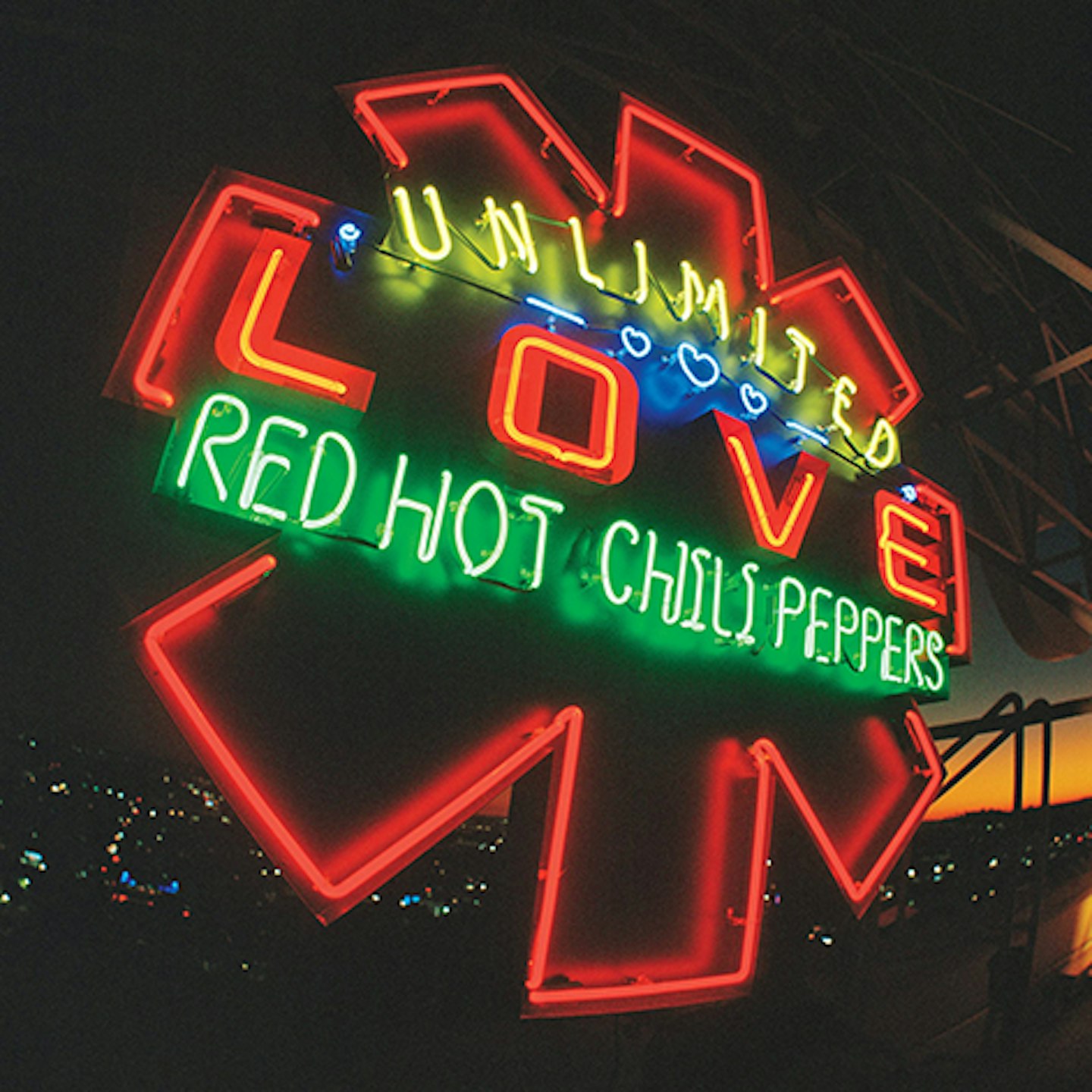
After a second stint in self-imposed exile, the prodigal son returned. The grand re-reunion of RHCP with John Frusciante (not to mention the return of producer Rick Rubin) came with Unlimited Love. From the moment opener Black Summer changes gears from psychedelic swirl to crashing riffs, there is a gravity, confidence and melodic grandeur to proceedings that immediately harks back to their turn of the millennium prime. Veronica is one highlight but better yet is The Great Apes, which boasts one of Frusciante’s most electrifying solos. Missteps like Aquatic Mouth Dance and Poster Child be damned, it debuted at No.1 in America, the UK and many other countries, offering proof that RHCP had found their way back to the top once again.
Key track: Black Summer
5.
Mother’s Milk
(EMI, 1989)
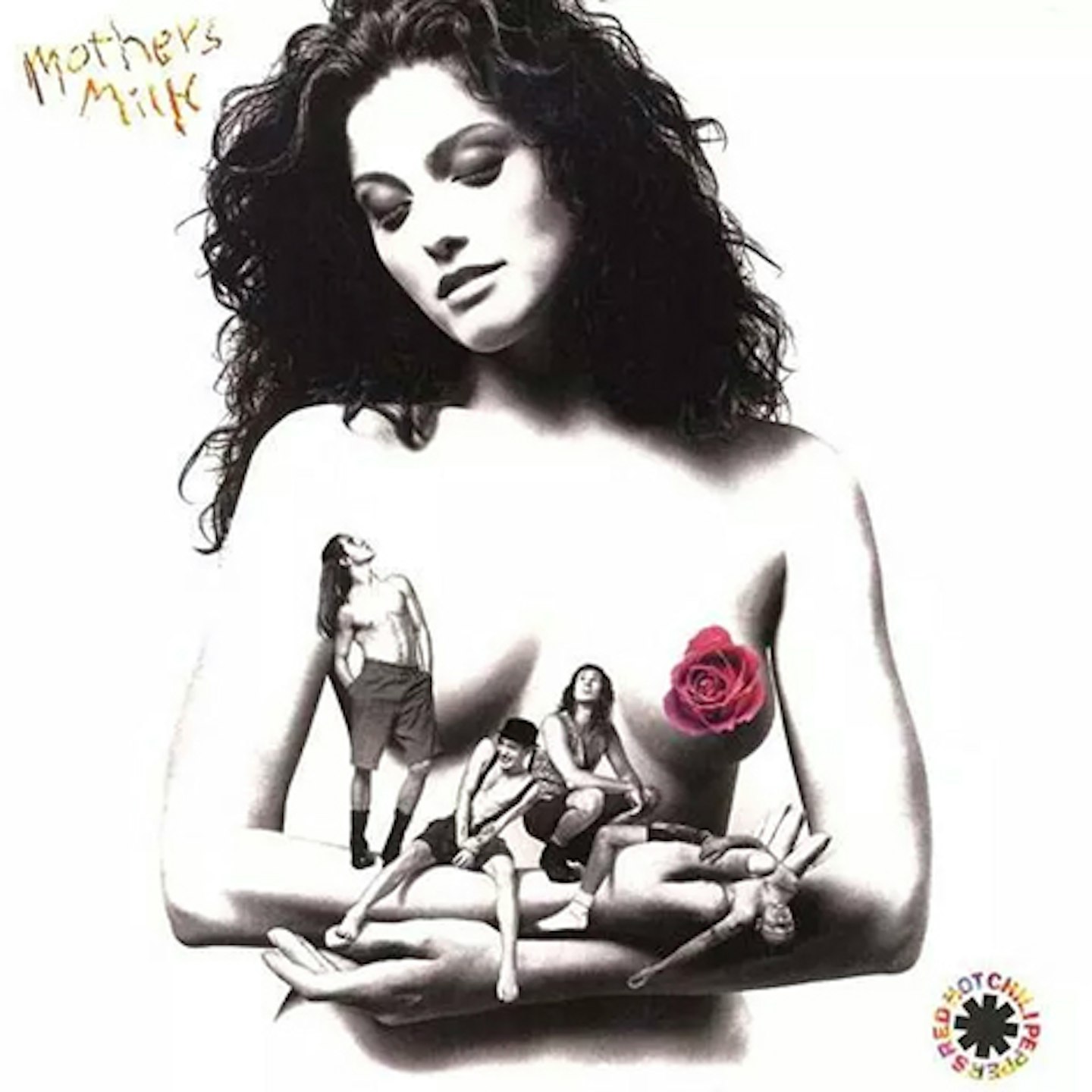
In more ways than one, RHCP were a band reborn on Mother’s Milk. After the fatal heroin overdose of Hillel Slovak and subsequent departure of Jack Irons they would stumble upon the line-up that would alter their fortunes forever. With the arrival of John Frusciante and drummer Chad Smith they sounded reinvigorated. Credit should also go here to producer Michael Beinhorn. The band might have pushed back against him in the studio over his predilection for heavier sounds, but the grit and crunch he added to songs such as Nobody Weird Like Me and Punk Rock Classic made RHCP bigger and better in every way. For an album showcasing a band growing in talent and stature, the only shame is that the regressive strains of Sexy Mexican Maid somehow made the tracklist.
Key track: Nobody Weird Like Me
4.
Stadium Arcadium
(Warner Bros, 2006)
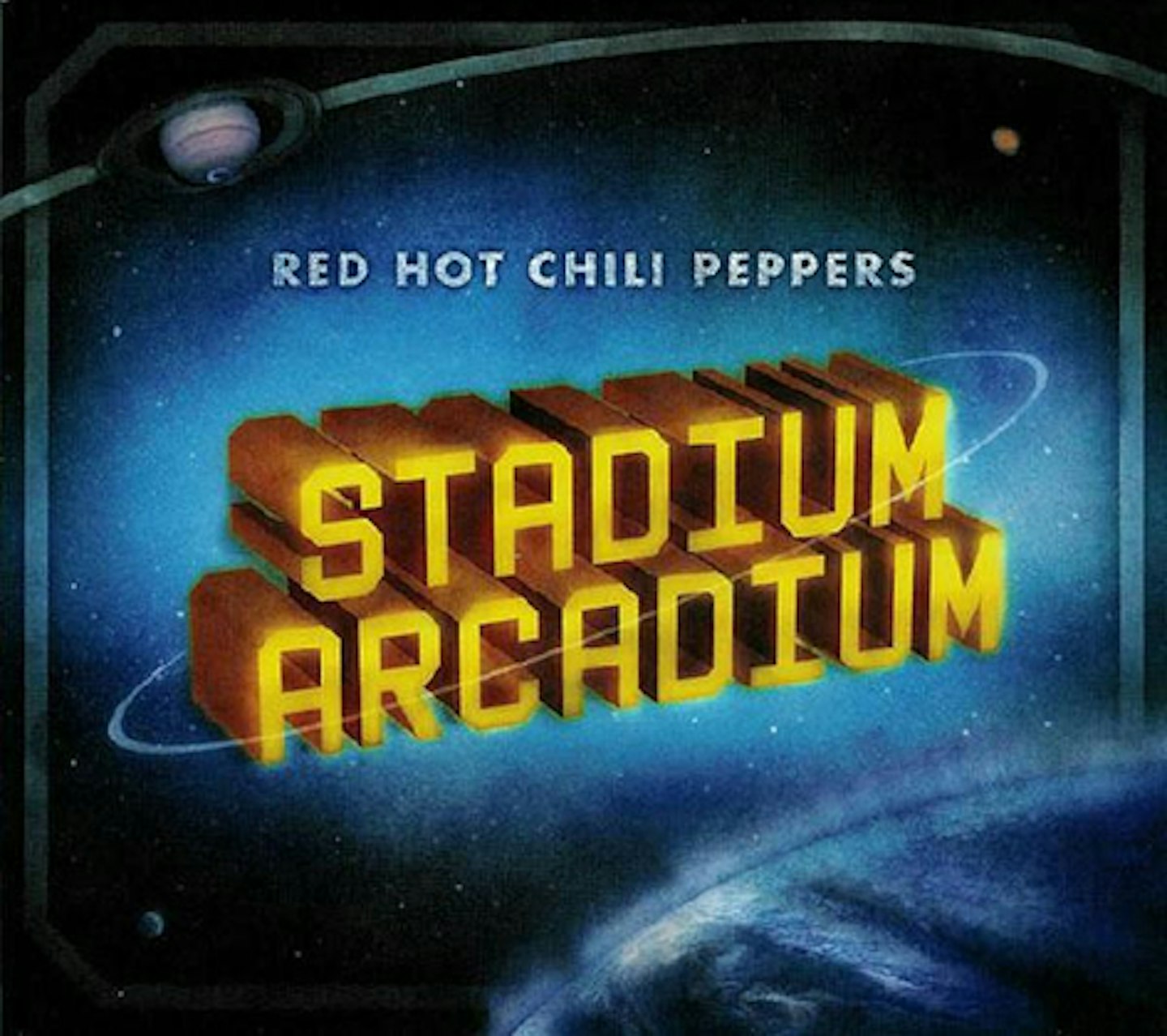
Is RHCP’s 28-track, 122-minute double album Stadium Arcadium a data dump or their most widely adventurous and creative work? In truth, the group’s first US No.1 album is a bit of both. Packing a host of their most enduring songs, including Dani California, Tell Me Baby and Desecration Smile, it continues to enchant. Indeed, Snow (Hey Oh) showcased a tricksy guitar passage so dazzling it would be sampled by UK rapper KSI and spun into a Top 10 hit as recently as 2024. Frusciante is very much centre stage here, playing his guitar at the end of Wet Sand as if he’s channelling the spirit of Jimi Hendrix through his fingertips. Is Stadium Arcadium too long? Yes. Would some judicious editing out of clunkers like Hump De Bump make it better? Also, yes. And yet to alter anything would be to erase the very identity that appealed to so many. Stadium Arcadium intrigues most as a tidal wave of ideas designed to wash listeners away.
Key track: Dani California
3.
Blood Sugar Sex Magik
(Warner Bros, 1991)
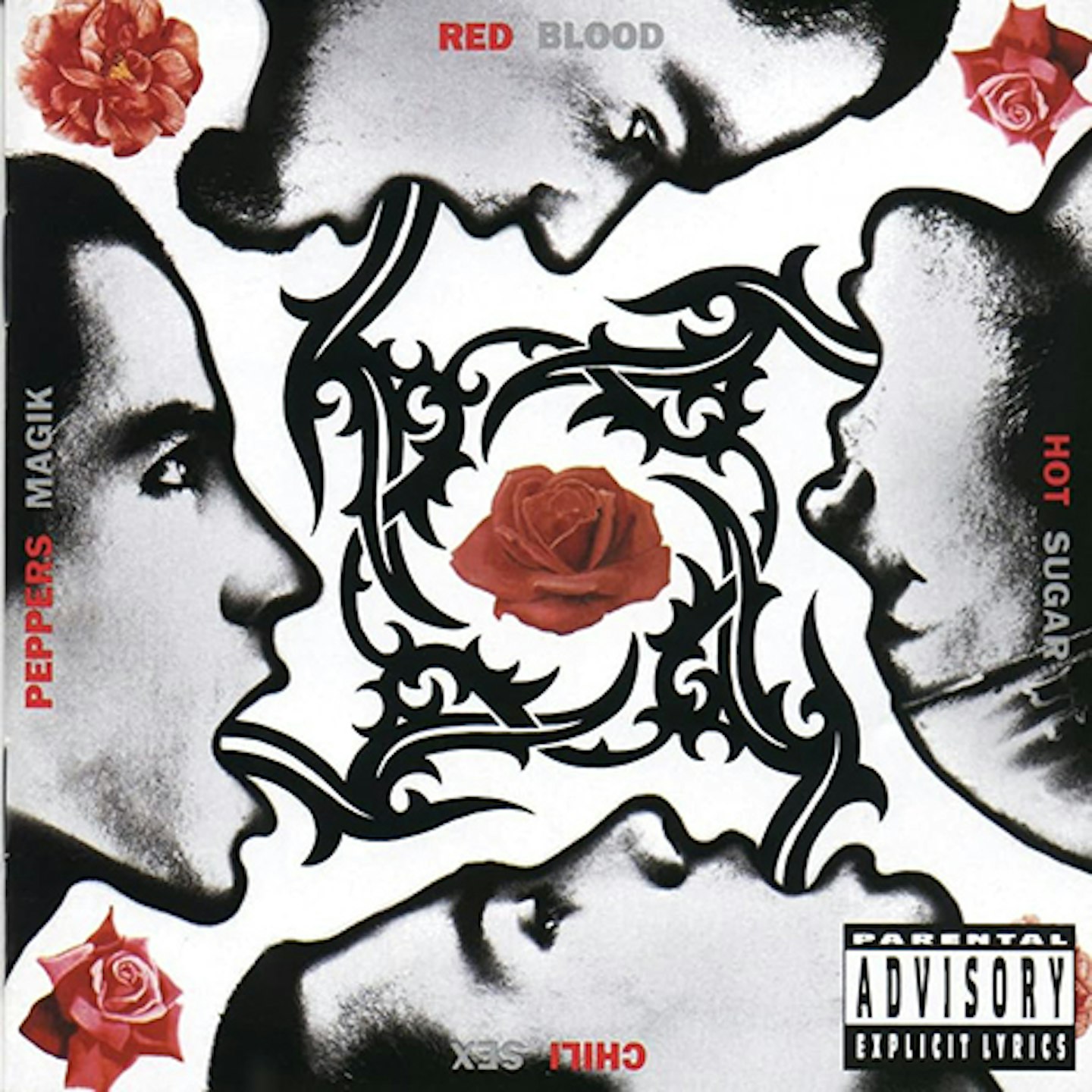
There will always be a large contingent of fans who swear that Blood Sugar Sex Magik is the Peppers’ finest hour, and in a sense it is – at least for one particular incarnation of them. As typified by the rapid-fire hit Give It Away, together with Rick Rubin they took their funk-rock into overdrive like never before. Or since. Indeed, BSSM attained such cultural notoriety the RHCP even ended up making a guest appearance on The Simpsons (and notably, even Krusty The Clown called them out for their sexed-up lyrical content). Between the exhilarating highs, there is some abject filler (Sir Psycho Sexy) but also new depth. My Lovely Man is a tribute to their late guitarist Hillel Slovak (“When I die, I will find you”, Keidis sings at one point) while also featured here is RHCP’s finest ballad. With Kiedis tackling his struggles with addiction head on, Under The Bridge not only resulted in one of the defining anthems of the ‘90s, it effectively forecast the much more interesting band they would become on 1999’s Californication.
Key track: Under The Bridge
2.
By The Way
(Warner Bros, 2002)
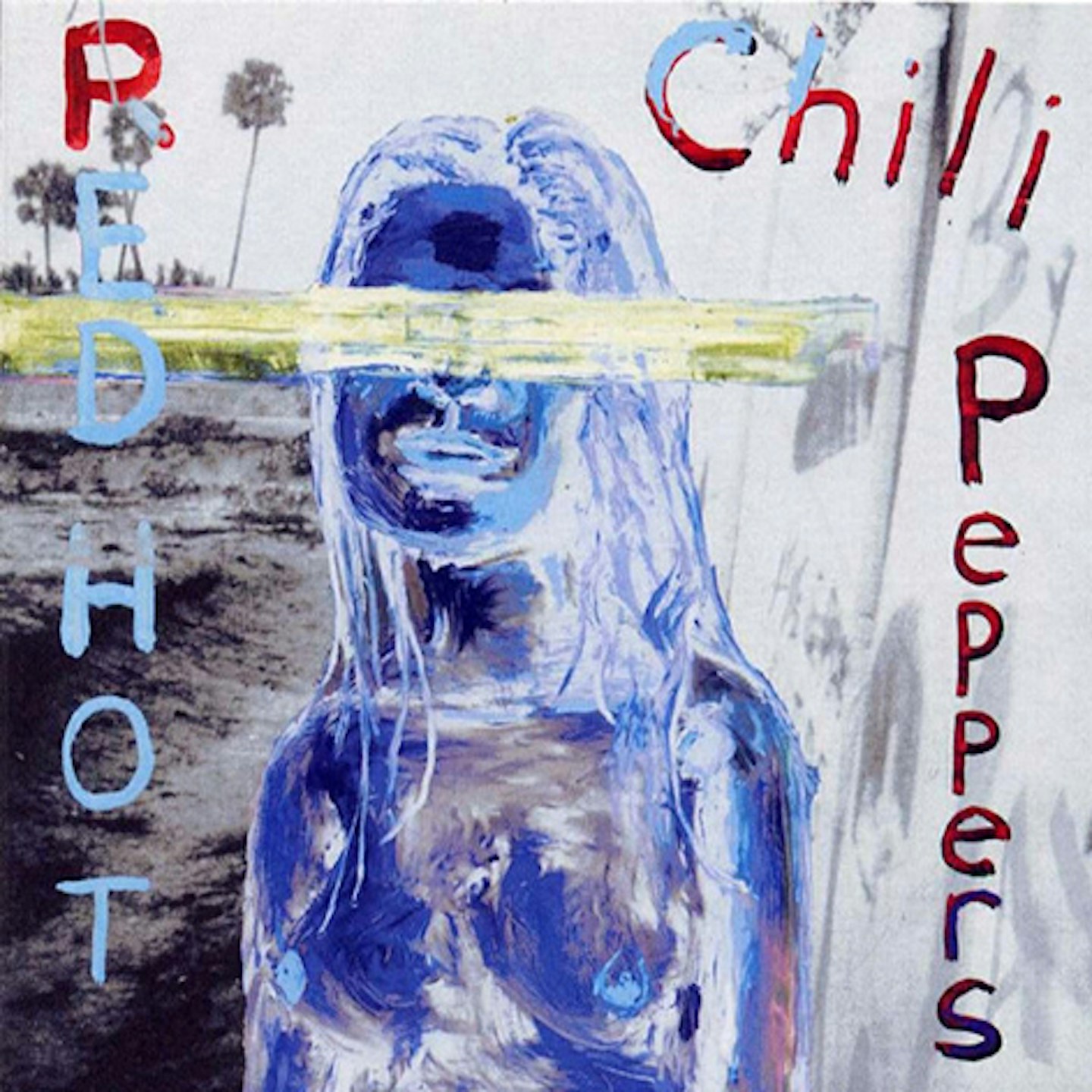
In a sense, the job was already done. With Californication and their (first) reunion with John Frusciante complete, RHCP affirmed their status as alt.rock royalty, ensuring their relevancy for a new generation. The thing that impresses most about By The Way is the manner in which they followed it up by releasing an album that acted like they still needed to prove themselves all over again. As the opening title-track changes gears from a gentle build to a hurricane of a bassline from Flea, the goal here was clearly shock and awe. But there are so many different ways in which it impresses besides this, from the choppy funk of Can’t Stop to the cosmic bliss of The Zephyr Song. The haunted strains of Dosed and Venice Queen, meanwhile, offered further evidence that this was a band capable of a lot more than people ever realised.
Key track: Can’t Stop
1.
Red Hot Chili Peppers
Californication
(Warner Bros, 1999)
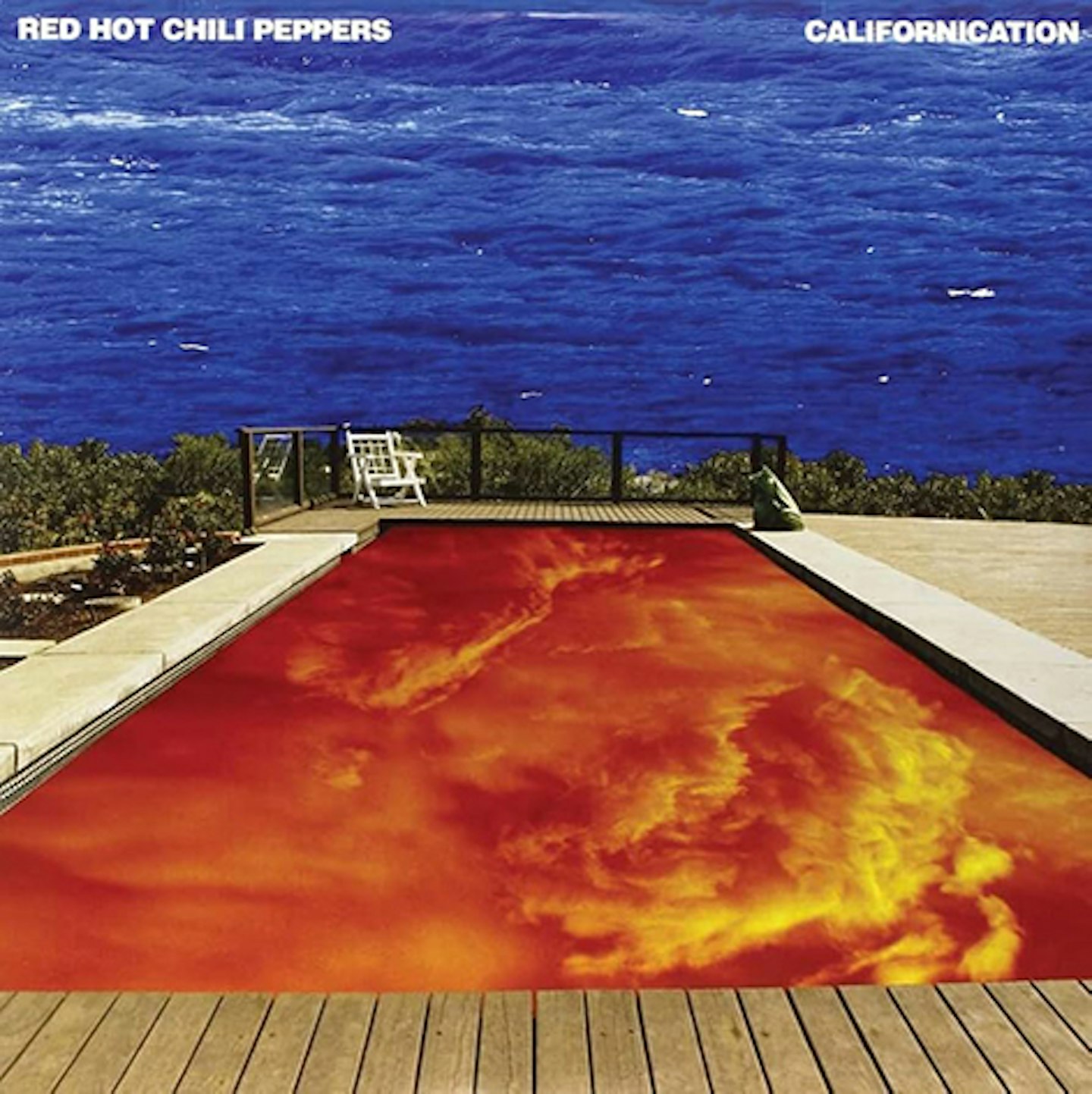
After the exit of Dave Navarro, and with the new millennium fast approaching, the future of RHCP did not look great, especially with nu-metal rapidly becoming the new sound of alternative rock worldwide. There was, to be sure, a lot riding on their eagerly anticipated reunion with John Frusciante. A surprisingly sombre and meditative record in places, it offered an unexpected yet extremely welcome maturation of sound and lyrical content. Interestingly, more fans than ever before flocked to this iteration of them, so much so that three of its introspective singles – Scar Tissue, Otherside and the title-track – have each crossed a billion streams on Spotify alone. But while that particular trio hogged the limelight, there was much else to admire, from the acoustic wanderlust of Road Trippin’ to the hypnotic Parallel Universe. “[It’s] the best record I think Chili Peppers have ever made,” Flea once told MOJO. He wasn’t wrong. Be it creatively or commercially, rarely has any band pulled itself back from the brink as successfully as this.
Key track: Californication
.
.
.
.
.