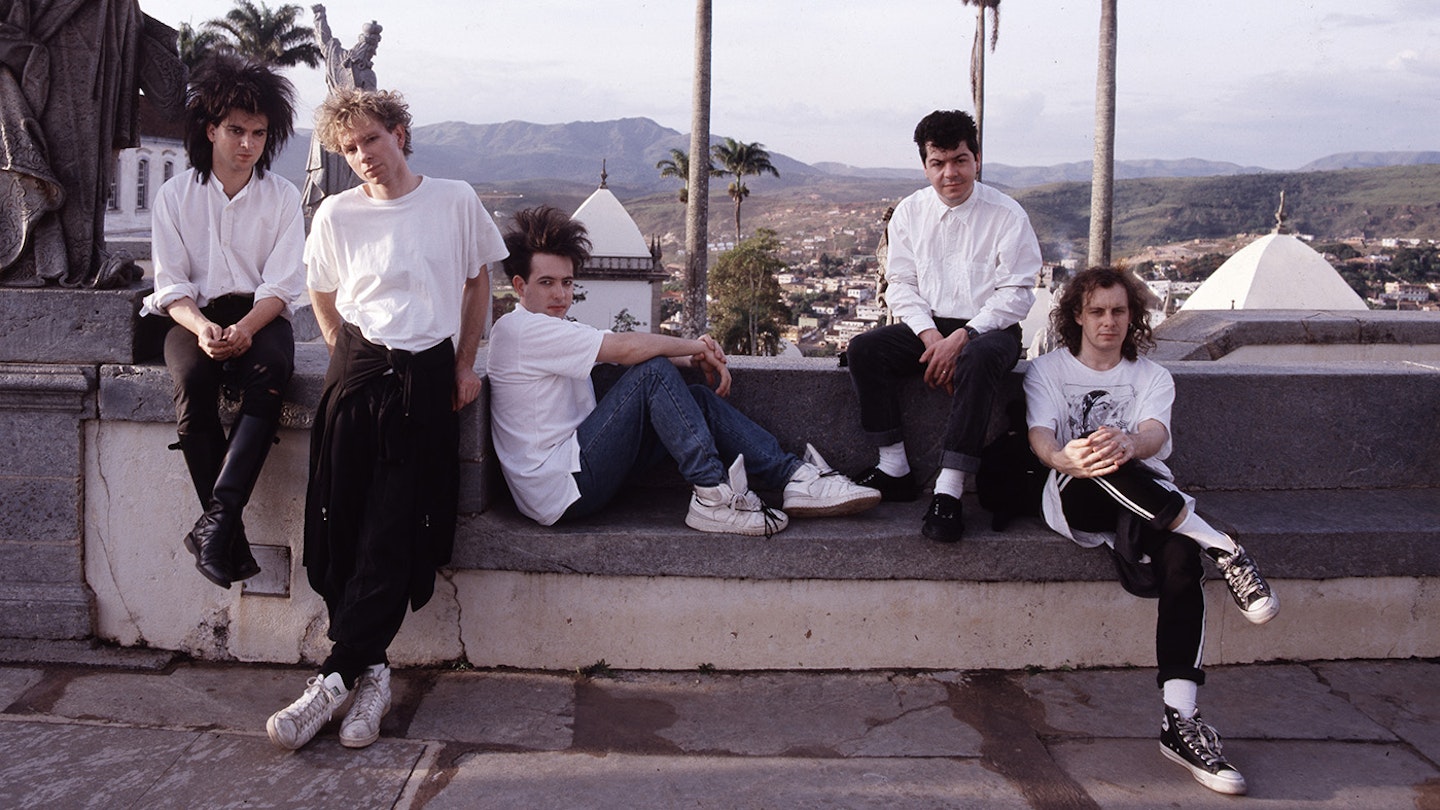
During a 1984 interview for The Old Grey Whistle Test, Robert Smith was asked why he had recently said that the time for him to step away from contemporary music was drawing close. Did he really mean it? “Yeah,” The Cure’s 25-year-old singer nodded with a smile, “cause I’m getting too old.”
-
READ MORE: The Cure’s 30 Greatest Songs
Forty years later, The Cure would release Songs Of A Lost World, one of the most dramatic peaks of a remarkable high-altitude career, Smith promising that at least one more record was in the works. With the singer as their sole constant member since they emerged from Crawley in 1976, The Cure have survived their often tempestuous creative process through a combination of intense world-building – few pop stars have quite such a distinct shaking-like-milk lexicon as Smith - and careful recalibration.
Nervy punk teenagers who drip-drip-dripped their way through their 1979 debut album Three Imaginary Boys; the post-punk brutalists of 1982’s Pornography; the hybrid pop stars of 1985’s The Head On The Door; the magisterial gothic (never goth) architects of 1989’s Disintegration: The Cure’s evolution is a fascinating record of what happens when a band are so driven by a singular internal creative vision, only tangentially influenced by the shifts of the universe around them, but still able to capture something grand and pervasive about the human condition.
“I’d rather be aware of the fact I am going to stop rather than watching myself sliding down the endless slope to oblivion,” said Smith in that 1984 interview, but The Cure’s ability to capture that slide is what makes them such a vital, life-affirming force. Listen to these records, and cheer up – it’s definitely going to happen, but what a soundtrack The Cure have provided...
15.
The Cure
Geffen, 2004
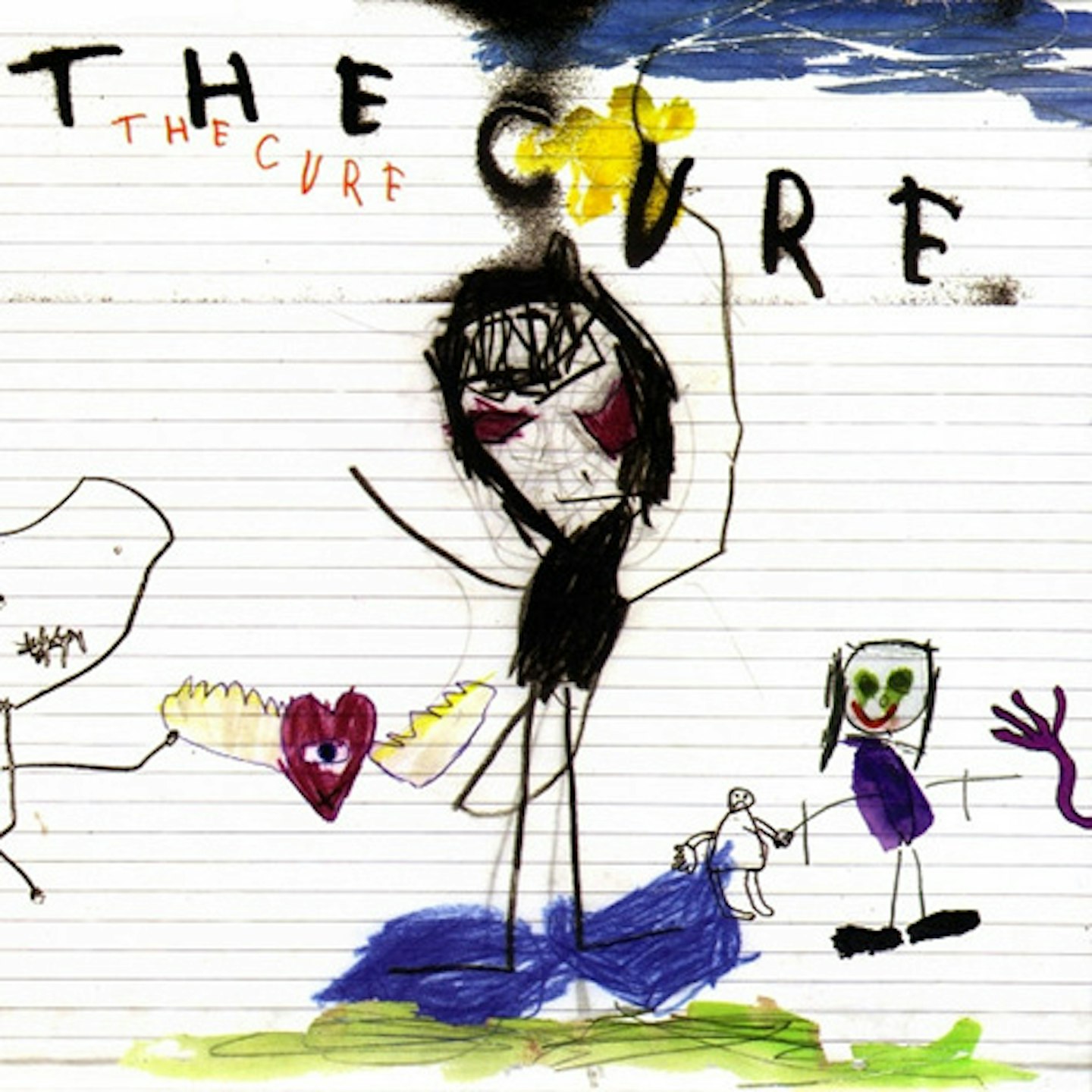
“I can’t find myself,” sings Smith on opening track Lost, and despite the album’s definitive title, The Cure documented a band not entirely sure of how to play to their strengths. Their decision to work with the then-ubiquitous nu-metal producer Ross Robinson was a bold statement – and bore heavy psychedelic fruit on Labyrinth – but given this was a time when their vintage influence was surging among younger bands, it was an odd moment to make one of their periodic attempts to chase contemporary gloss (see also Mixed Up). It does, however, feature one enduring hit: The End Of The World, undoubtedly the definite Cure article.
Key Song: The End Of The World
14.
Wild Mood Swings
Fiction, 1996
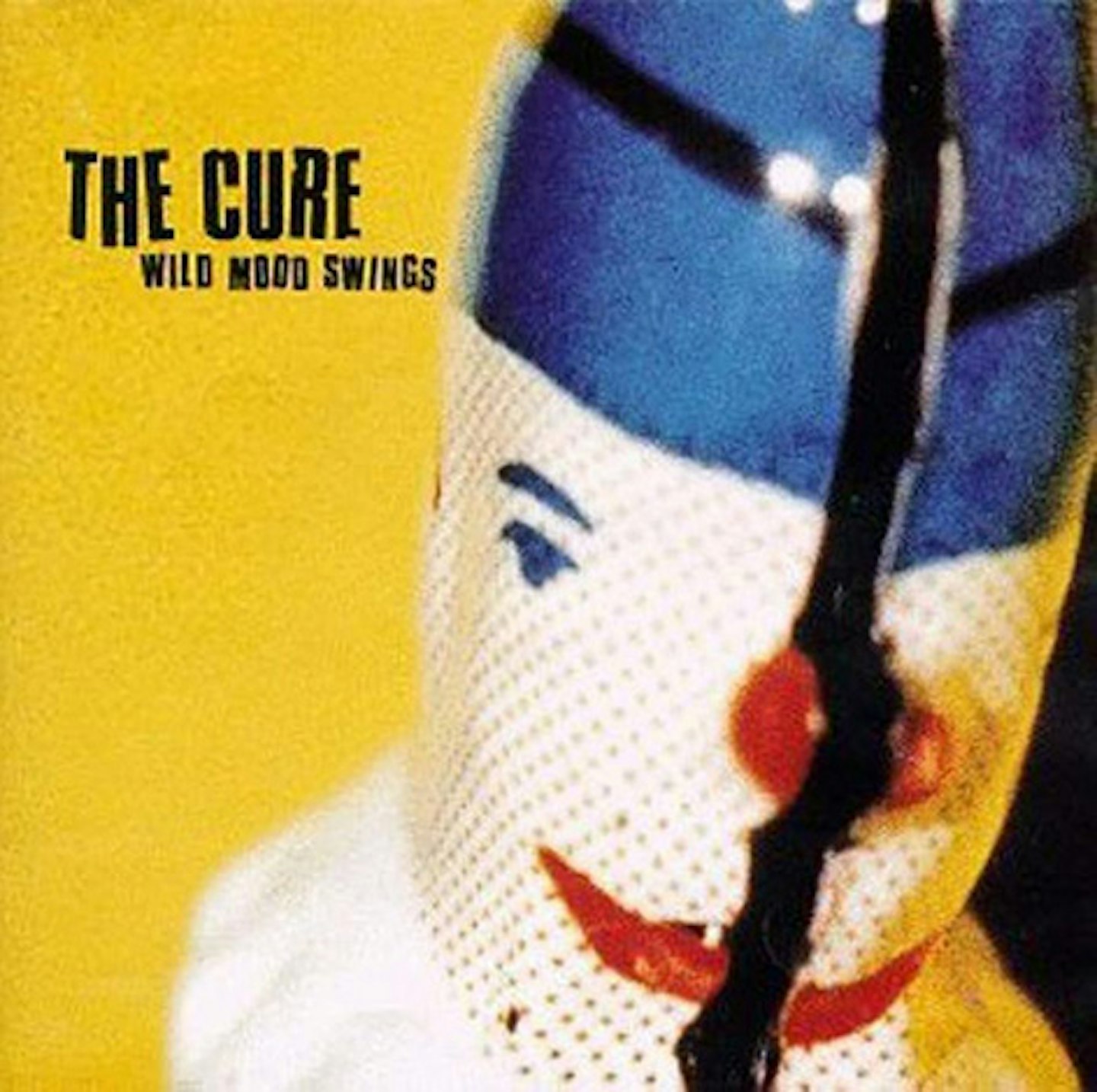
While it’s possible that this record’s uneasy reputation is partly a result of it being overshadowed by its immediate predecessors Disintegration and Wish, there are other issues that might explain its largely unloved status. Single Mint Car sounds like the sweepings of Friday, I’m In Love and while Smith admirably tries a different vocal approach on Club America, its baggy dance sounds unhappily close to The Stone Roses’ comeback single Love Spreads. Still, if you’re feeling generous, the wobbly mariachi groove of The 13th and the swinging Gone! make it feel like a natural companion to The Top: transitional, unsteady, very much up and down.
Key Song: The 13th
13.
Three Imaginary Boys
Fiction, 1979
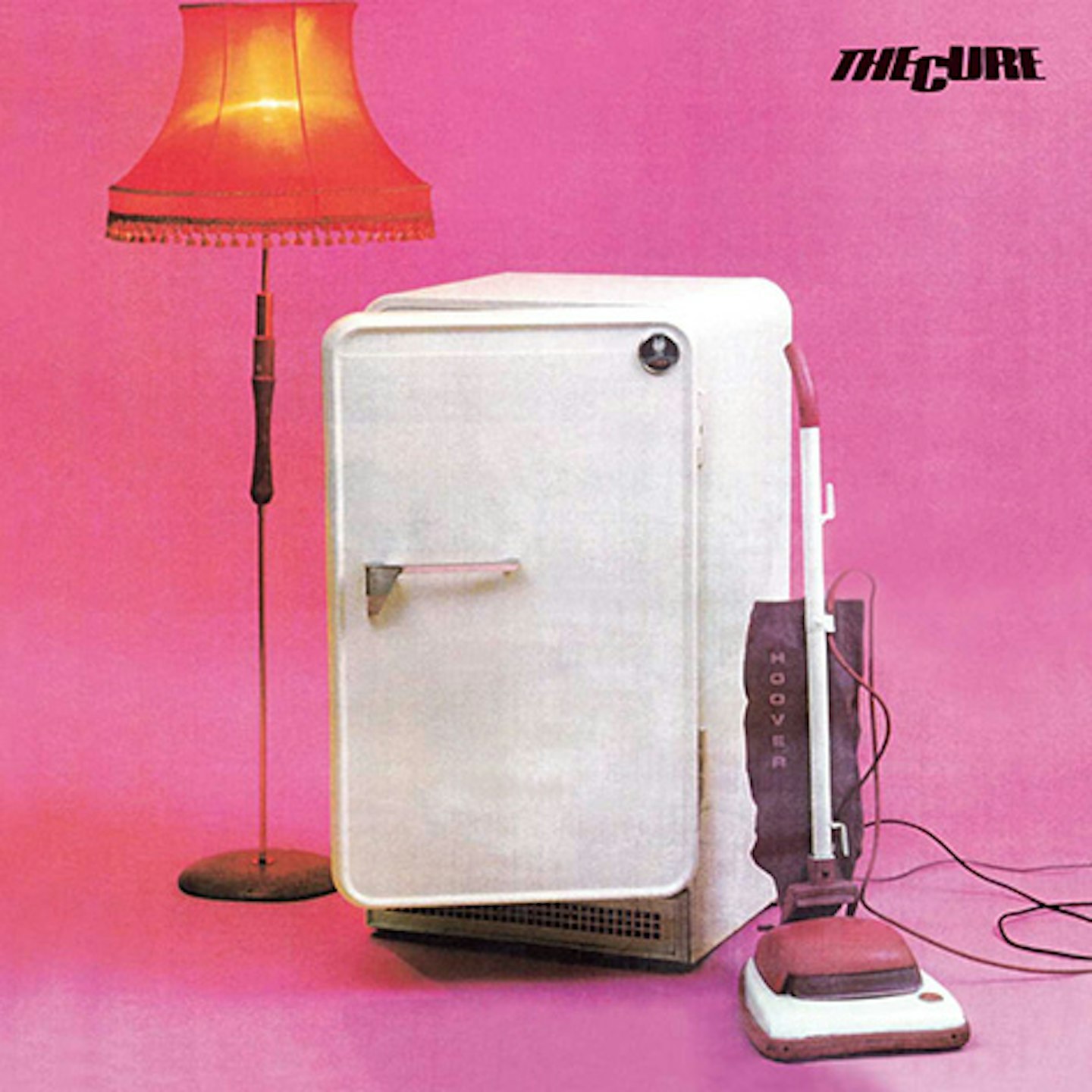
Created by young men barely out of their teens, The Cure’s larval debut was a spindly, long-legged affair, bassist Michael Dempsey central to their jittery, ultra-trebly sound. Robert Smith later blamed the pretentious sleeve art and the inclusion of anaemic Jimi Hendrix cover Foxy Lady on label boss Chris Parry, but there is much to love here alongside the more callow moments: 10.15 Saturday Night is predates How Soon Is Now? as a masterpiece of loneliness; Grinding Halt manages to make nihilism fun, while Fire In Cairo and the title track subtly signpost their direction of travel.
Key Song: 10.15 Saturday Night
12.
The Top
Fiction, 1984
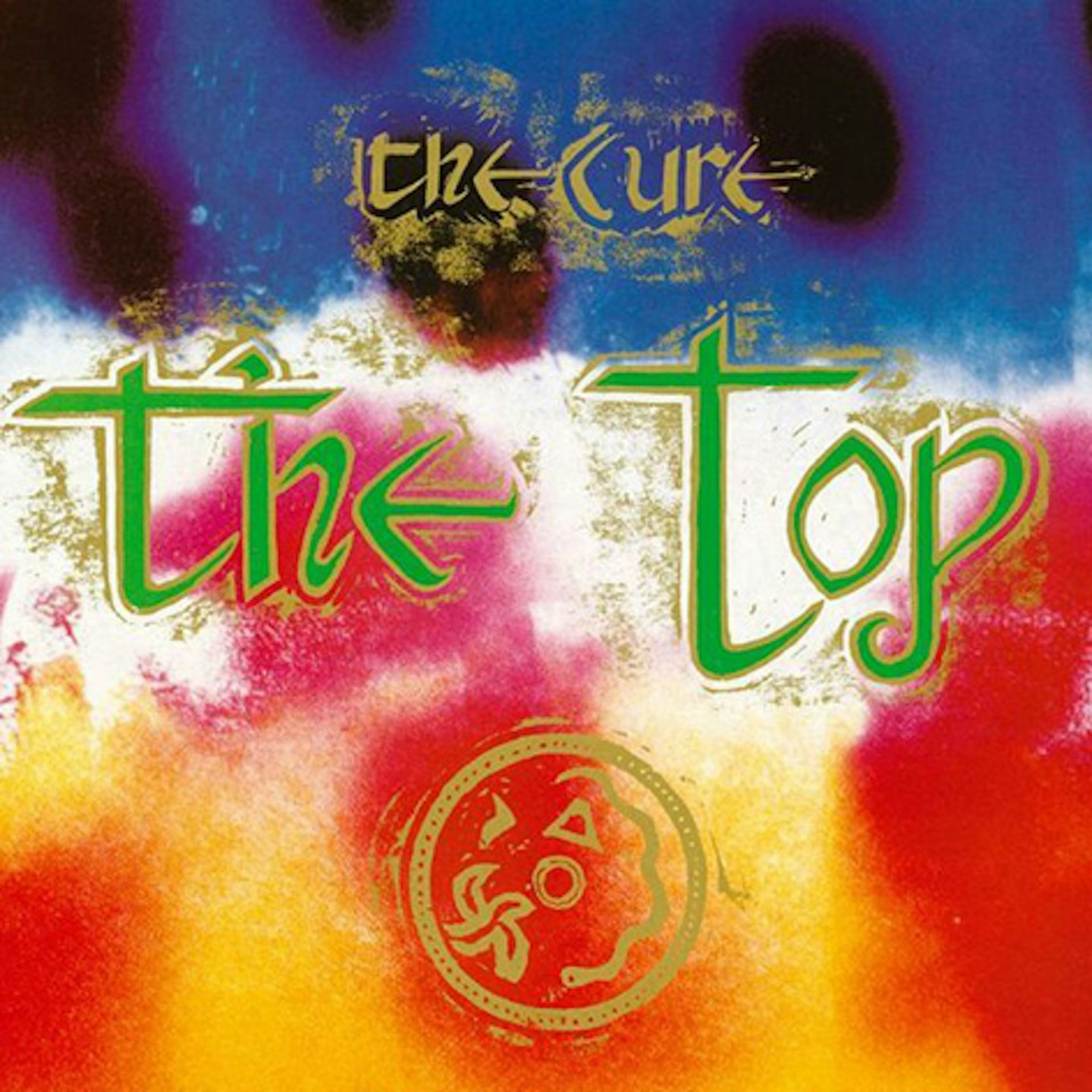
On the title track, Robert Smith sings about “the place where nobody goes”, and The Top can suffer from a similar neglect from fans. Recorded as Smith moonlighted with Siouxsie And The Banshees, The Cure’s fifth proper album has a scattered air, but The Caterpillar’s lysergic flicker is an all-time high, while Shake Dog Shake and Piggy In The Mirror herald The Cure’s Banshees-indebted pivot to stadium goth.
Key Song: The Caterpillar
11.
4:13 Dream
Geffen, 2008
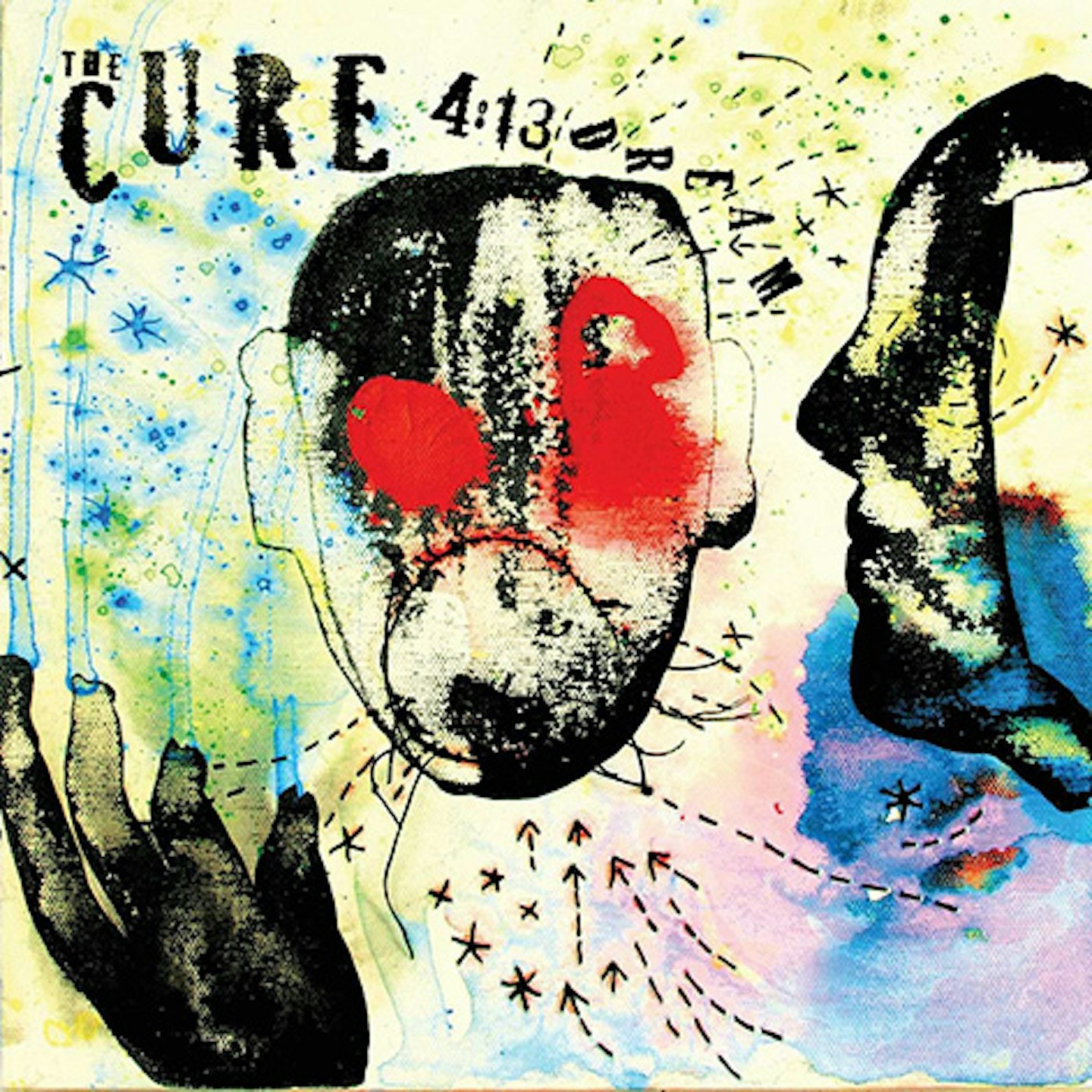
After the swerve of its self-titled predecessor, 4.13 Dream – allegedly the lighter half of a planned double album - saw Smith driving The Cure back to their heartland. The opening two songs – Underneath The Stars, The Only One - provide a quintessential sad-happy punch, a kind of Many Moods Of The Cure room diffuser. Yet The Real Snow White and Freakshow sound like Smith drilling for new ideas, and The Scream could be a Faith-era chrysalis hatching into a new millennium. The last track is called It’s Over: there wouldn’t be another album of new material for 16 years.
Key Song: The Scream
10.
Bloodflowers
Fiction, 2000
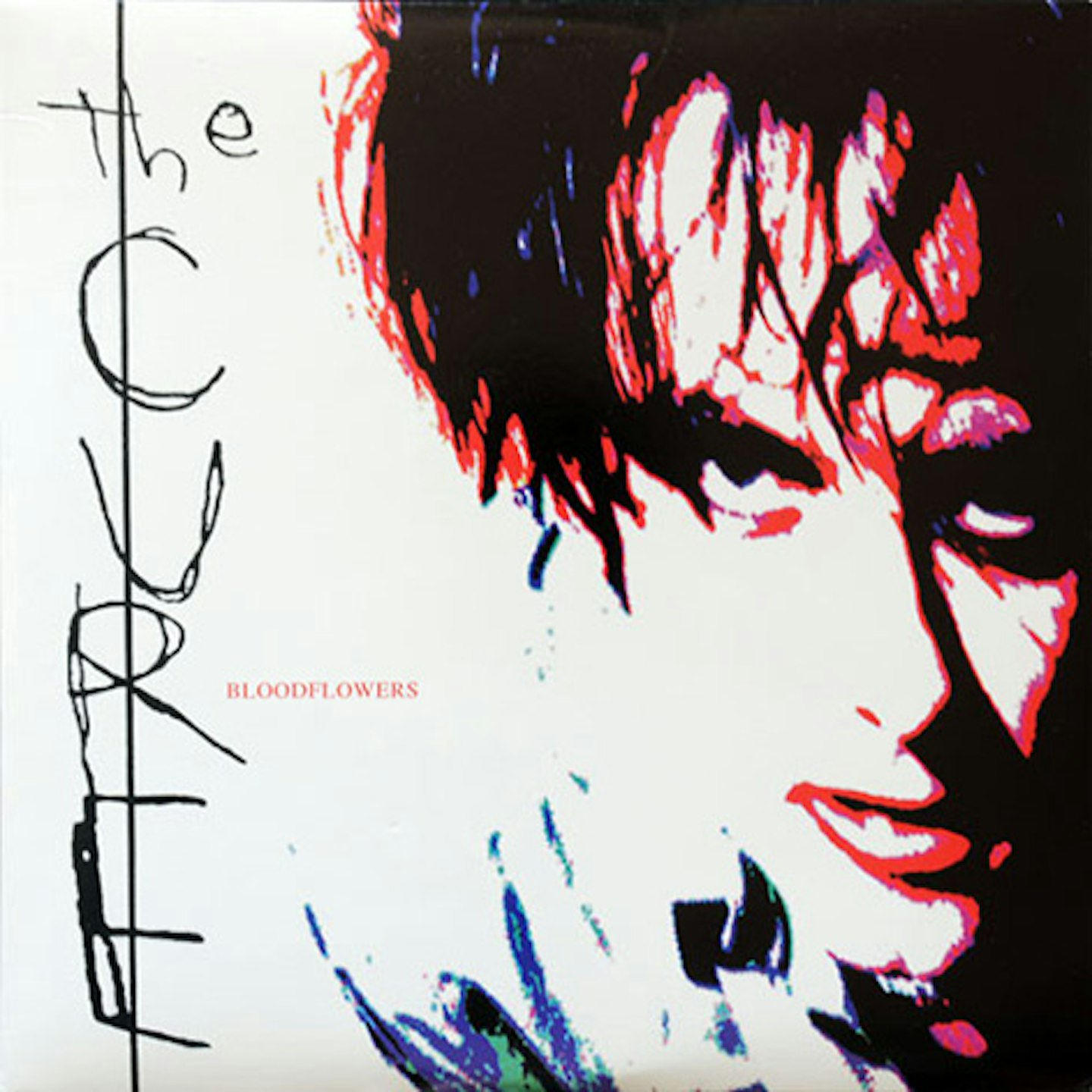
Robert Smith declared that The Cure’s eleventh album was his best recording experience since Kiss Me Kiss Me Kiss Me, a return to core values that yoked it to Pornography and Disintegration. While Bloodflowers lacks hits, that sense of pleasure bubbles through the lovely keyboard adornments of Out Of This World, or the high drama of Watching Me Fall, a song that does well to capture something of Disintegration’s opulent misery. That time-skipping love song There Is No If was written when Smith was 19 adds to the gentle poignancy. No singles were released, but Bloodflowers’ bloom and fade is best experienced as one unbroken cycle.
Key Song: Watching Me Fall
9.
Wish
Fiction, 1992
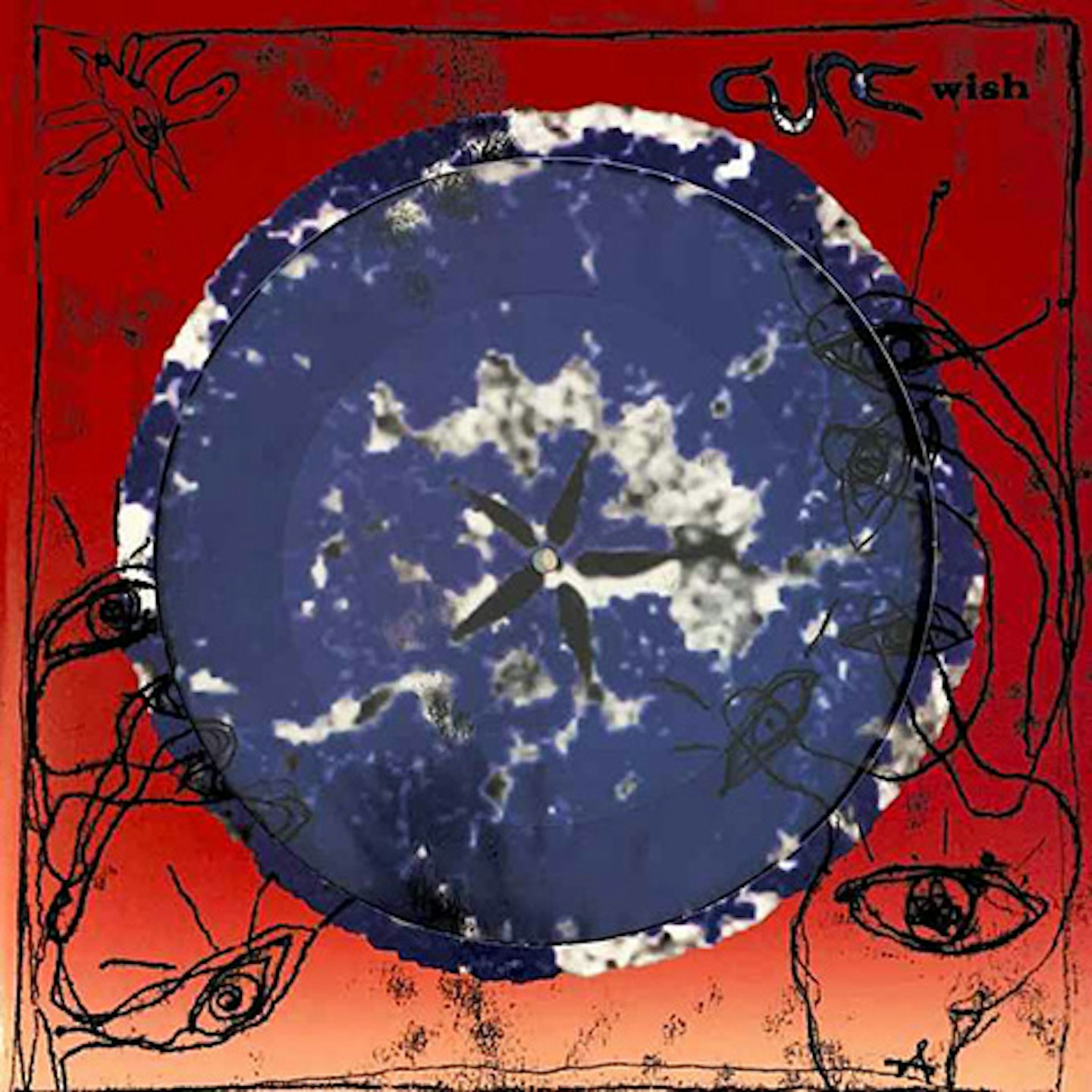
Echoing their post-Pornography reboot, the period after Disintegration felt like a moment of recalibration for The Cure. After a remix album, 1990’s Mixed Up, and 1991’s live set Entreat, the band’s pendulum swung back to a breezier sound, resulting in their blue-chip pop standard, Friday I’m In Love – knocking The Love Cats off its perch - and their only number one album. It’s very much the many moods of The Cure, taking in the warped nursery-rhyme sexuality of High, the doom-struck college-rock of Open and the romantic sadness of Letter To Elise. A peak of sorts.
Key Song: Friday I’m In Love
8.
Kiss Me, Kiss Me, Kiss Me
Fiction, 1988
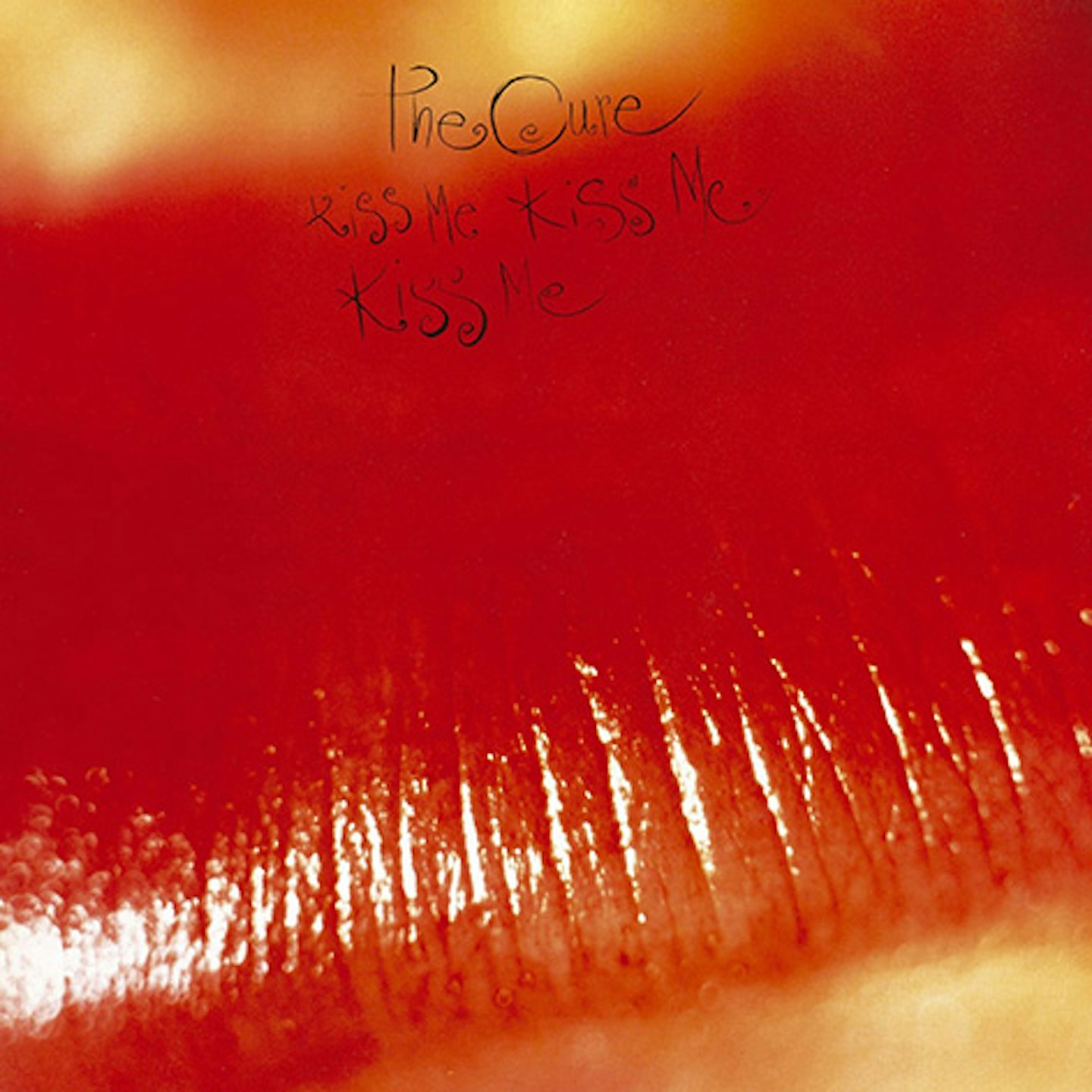
1986’s Standing On A Beach compilation bought The Cure a break from the studio, but they exploded back into life with this rapturously received double album. Recorded in France, with a happy, settled line up, Kiss Me Kiss Me Kiss Me launched the Cure as a transatlantic phenomenon, but if the back-combed hair and giant white trainers were a fabulous visual hook, the music became a little uniform, Catch and Just Like Heaven notable facsimiles of Close To Me and In Between Days.
Key Song: Just Like Heaven
7.
Japanese Whispers
Fiction, 1983
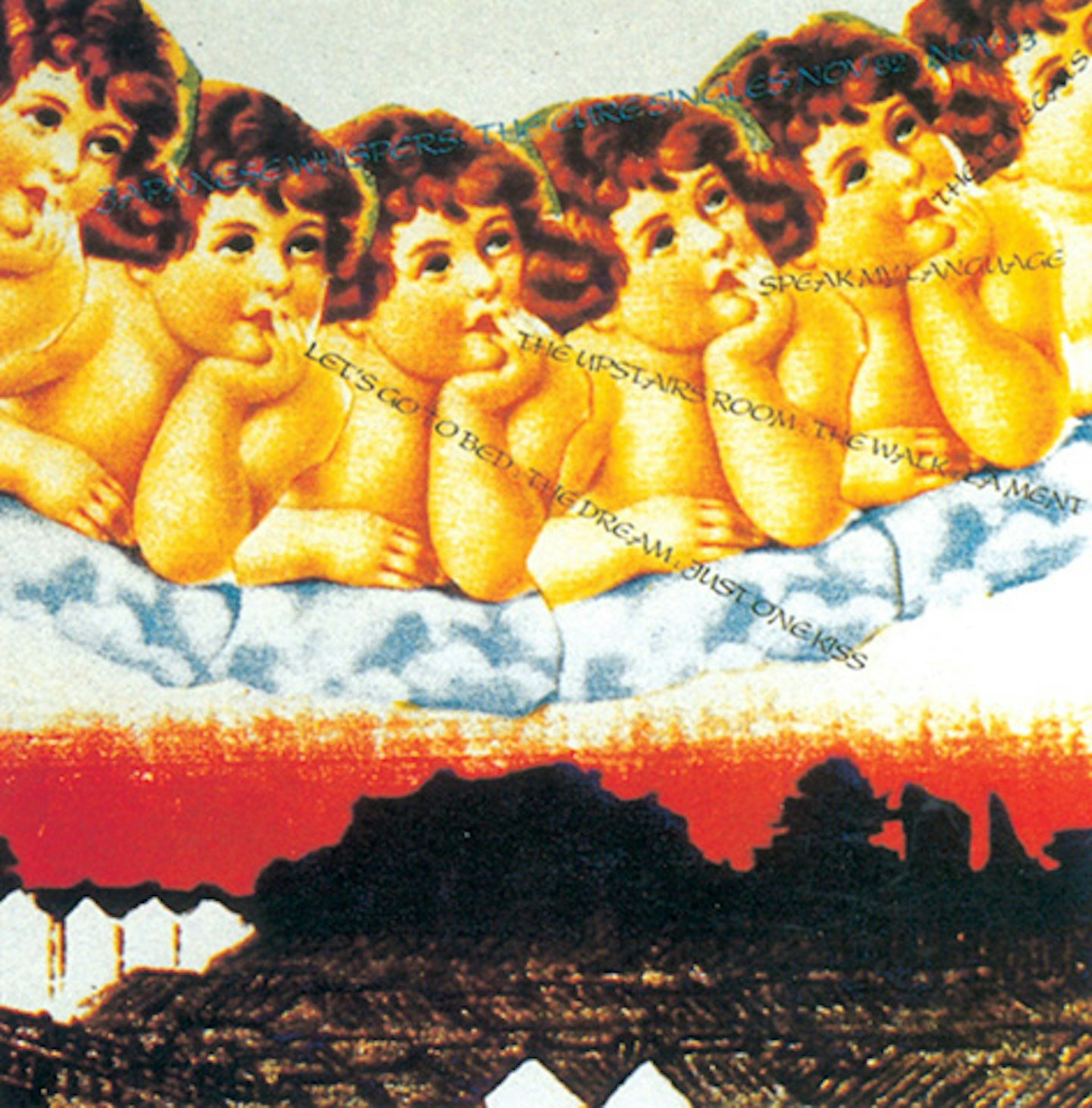
Pornography was necessarily the end point of The Cure’s journey to the dark side; as Simon Gallup quit, the rump Cure of Robert Smith and Lol Tolhurst decided that life might be worth living after all. Japanese Whispers collected material from three 12-inch singles – Let’s Go To Bed, The Walk, The Lovecats – and The Cure pivoted from death’s-headed harbingers of doom to post-apocalyptic pop pin-ups. The B-sides are excellent, Lament, Just One Kiss and Speak My Language thrilling visions of The Cure to come.
Key Song: The Lovecats
6.
Seventeen Seconds
Fiction, 1980
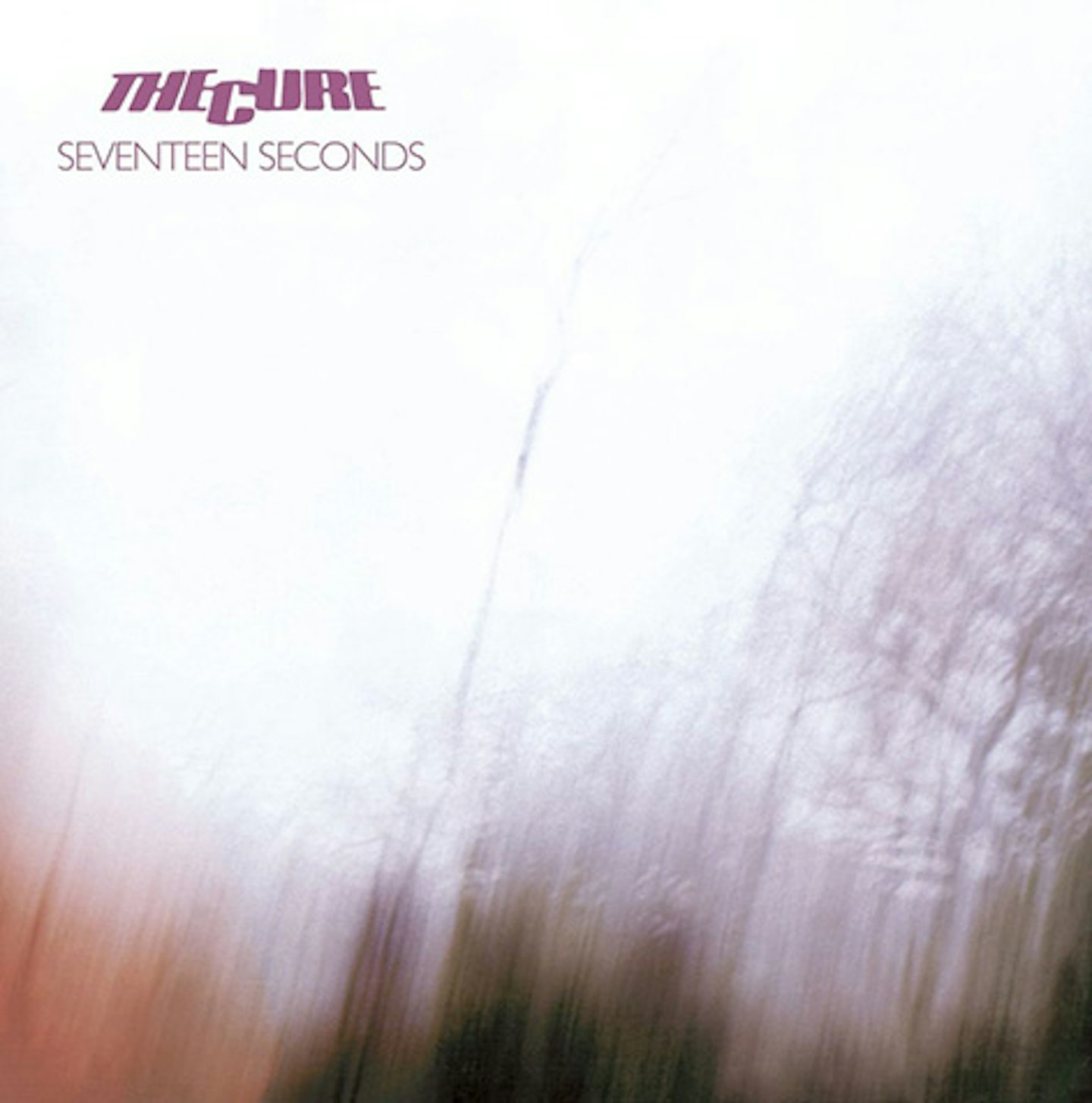
Apparently relieved at the relative failure of Three Imaginary Boys, The Cure radically decluttered for their second album, centering Nick Drake’s Five Leaves Left, David Bowie’s Low and Van Morrison’s Astral Weeks on Robert Smith’s mood board. With deep bass from new arrival Simon Gallup, the pummelling A Forest established the Cure sound that would echo down the years, while In Your House, the Albert Camus-influenced M and the light industrial punishment of Play For Today set the controls for the heart of the glum.
Key Song: A Forest
5.
Songs Of A Lost World
Fiction, 2024
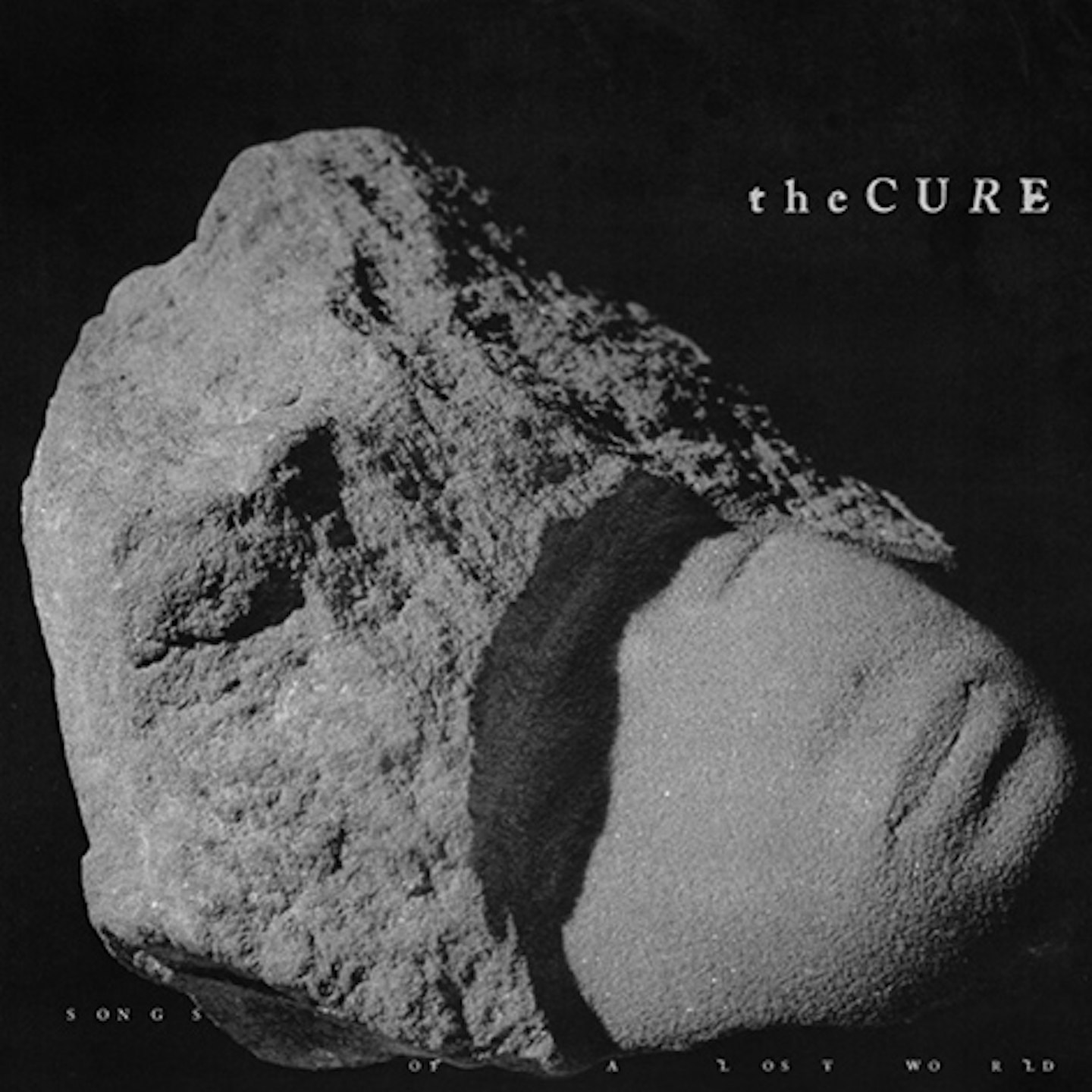
The Cure have been on first-name terms with darkness since the release of Seventeen Seconds at least, but there is a huge difference in listening to a 29-year-old confront his fear of decay and a man in his sixties, reckoning with the loss of his mother, father and brother, staring down the void. Songs Of A Lost World was a harrowing comeback, then, but it was also ineffably beautiful, psychically linked to Pornography, musically linked to the wide awe-striking vistas of Disintegration. Despite the grief, the almost-groovy Drone: nodrone and the darker-side-of-the-moon desolation of Warsong also felt like a rejuvenation, while the heartbreaking melody of I Can Never Say Goodbye felt like the purest catharsis.
Key Song: I Can Never Say Goodbye
-
READ MORE: The Cure Live Review: Songs of innocence and experience combine spectacularly in intimate setting
4.
Faith
Fiction, 1981
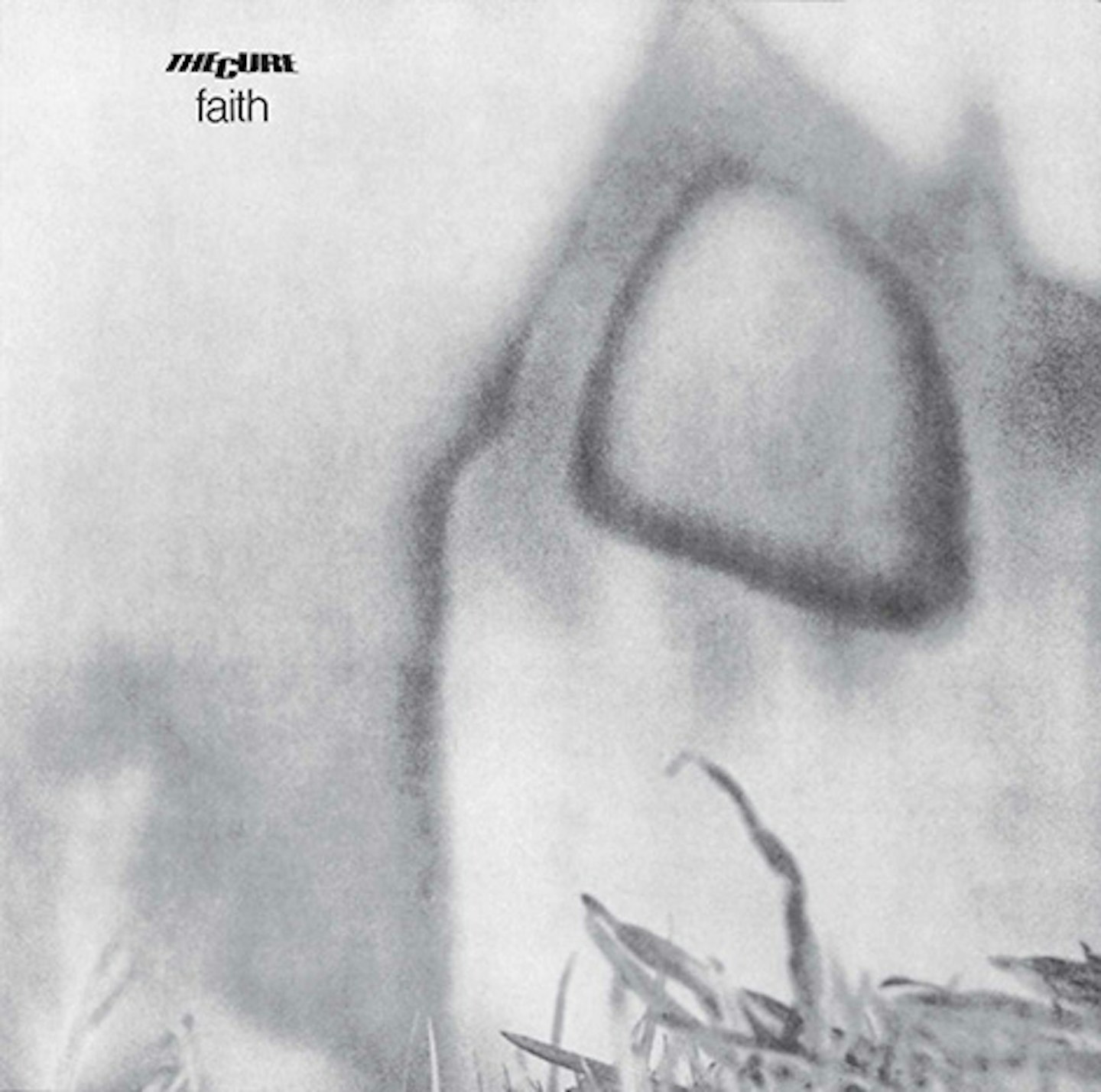
Producer Mike Hedges allegedly characterised the Cure’s third album as “songs to hang yourself by”, and with Smith mourning the loss of his beloved grandmother, Faith was recorded in a fug of drugs and grief. This reckoning with the false hope offered by Smith’s Roman Catholic upbringing (see the cover of a foggy Bolton Abbey) shows all their incipient steel, the raw despair of The Drowning Man and The Holy Hour counterbalanced by the icy snap of All Cats Are Grey and The Funeral Party. “Can’t just carry on this way,” sings Robert Smith on Faith’s title track. If you wanted it darker, though, you wouldn’t have long to wait.
Key Song: All Cats Are Grey
3.
The Head On The Door
Fiction, 1985
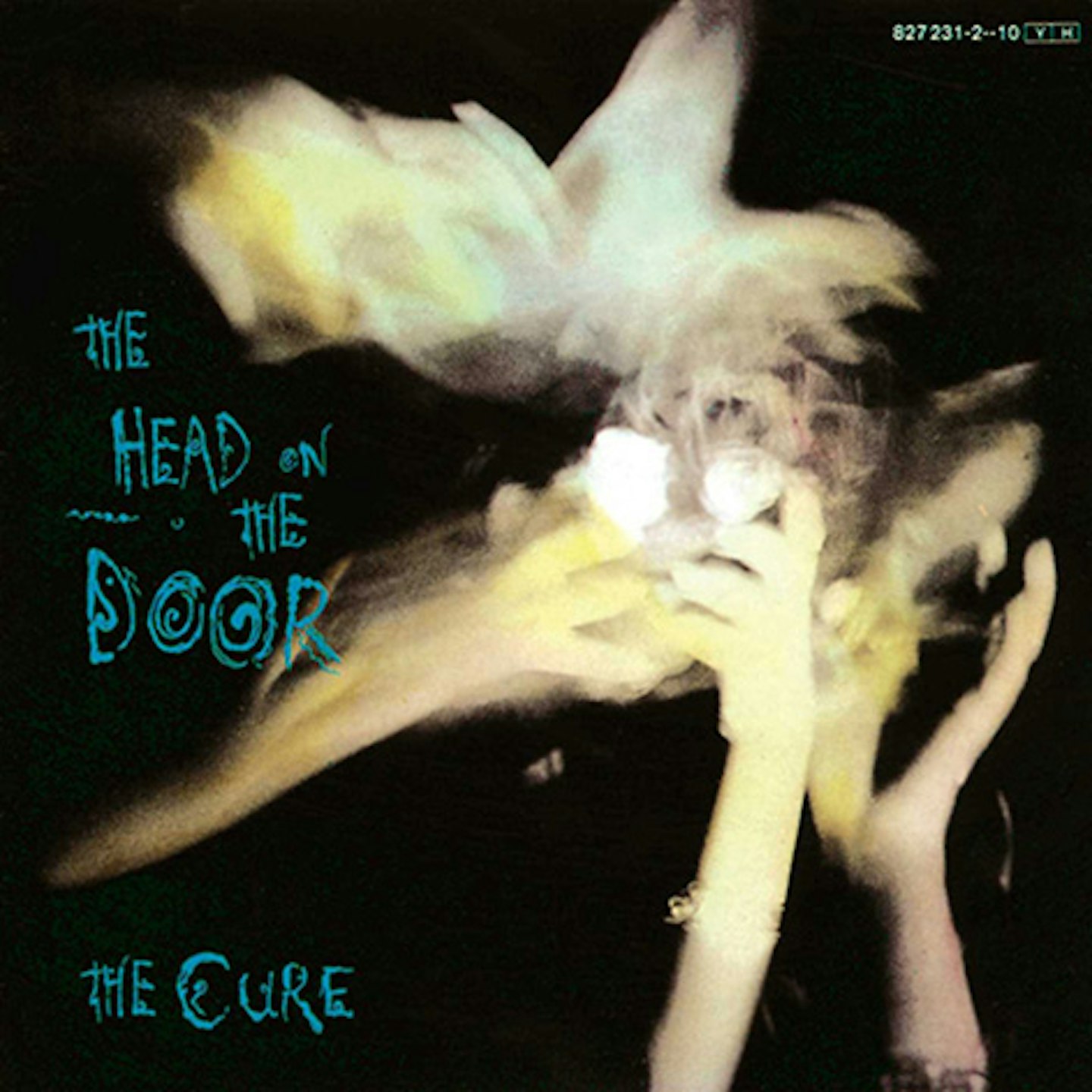
“I am slowing down as the years go by,” lamented 25-year-old Robert Smith on Sinking, the closing track to The Cure’s sixth studio album, but after years of bewildering fluster – and with Simon Gallup back on bass - The Head On The Door was the point where they reconciled their artistic drives with their understanding they could be a proper pop band. In Between Days and Close To Me are perfect hits, an intoxicating distillation of the world they had created, while Six Different Ways, A Night Like This and Push are a joyous flex of their distinctive skillset.
Key Song: In Between Days
2.
Disintegration
Fiction, 1989
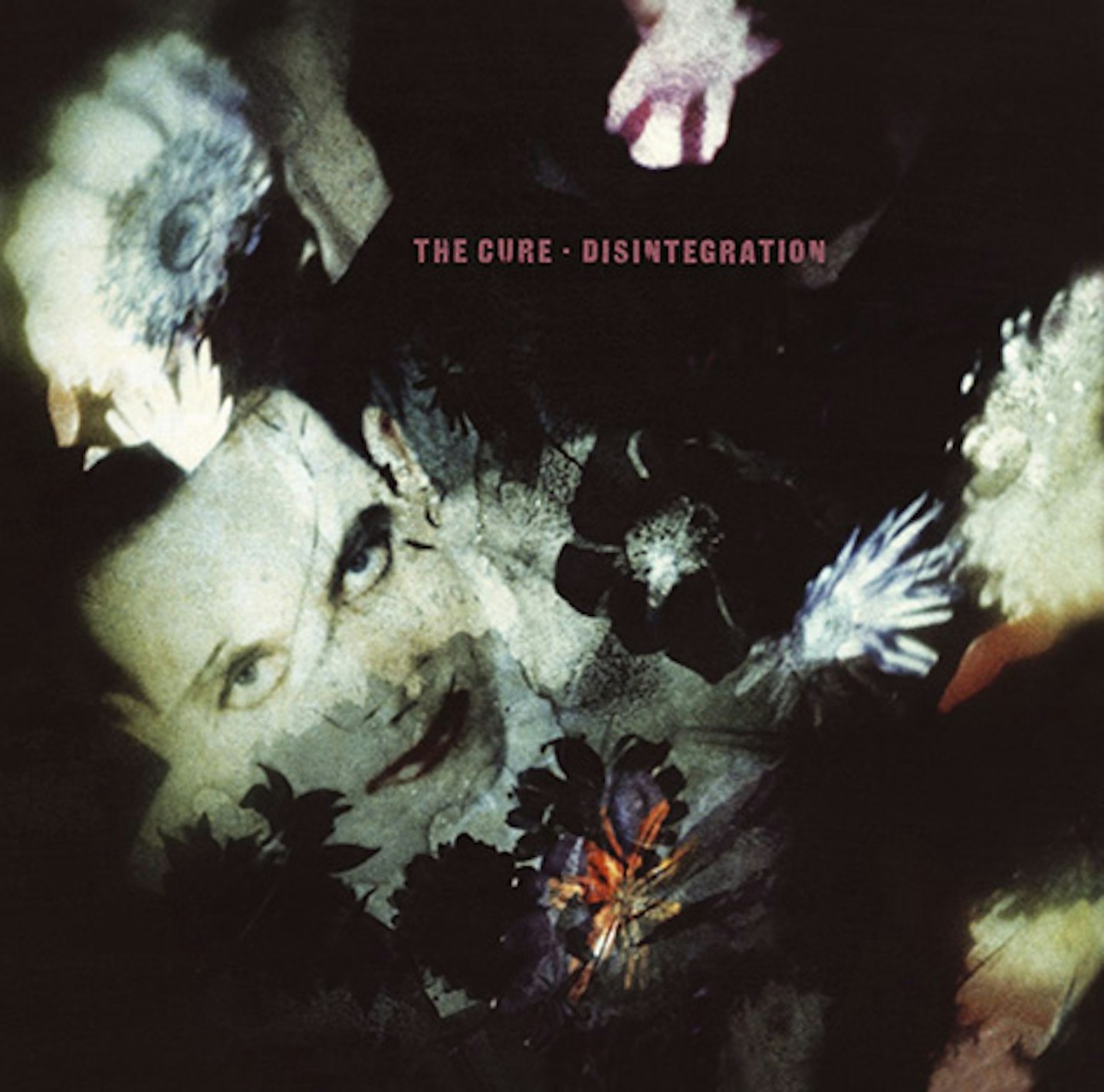
Written while Robert Smith was in the throes of an LSD-enhanced existential crisis brought on by his impending 30th birthday, Disintegration brings all the art to falling apart. While there is plenty of loathing and disgust – check the title track’s relentless flagellation - these songs largely swerve the Bosch night terrors and raw nihilism of Pornography, the great glittering landscapes of Plainsong and Closedown instead suggesting all the implacable beauty and cruelty of existence. There were hits – Lullaby’s psychosexual cradle-rocking, the romantic haunting of Pictures Of You – but at its core this is a record of despair, born from the knowledge of “how the end always is”.
Key Song: Pictures Of You
1.
Pornography
Fiction, 1982
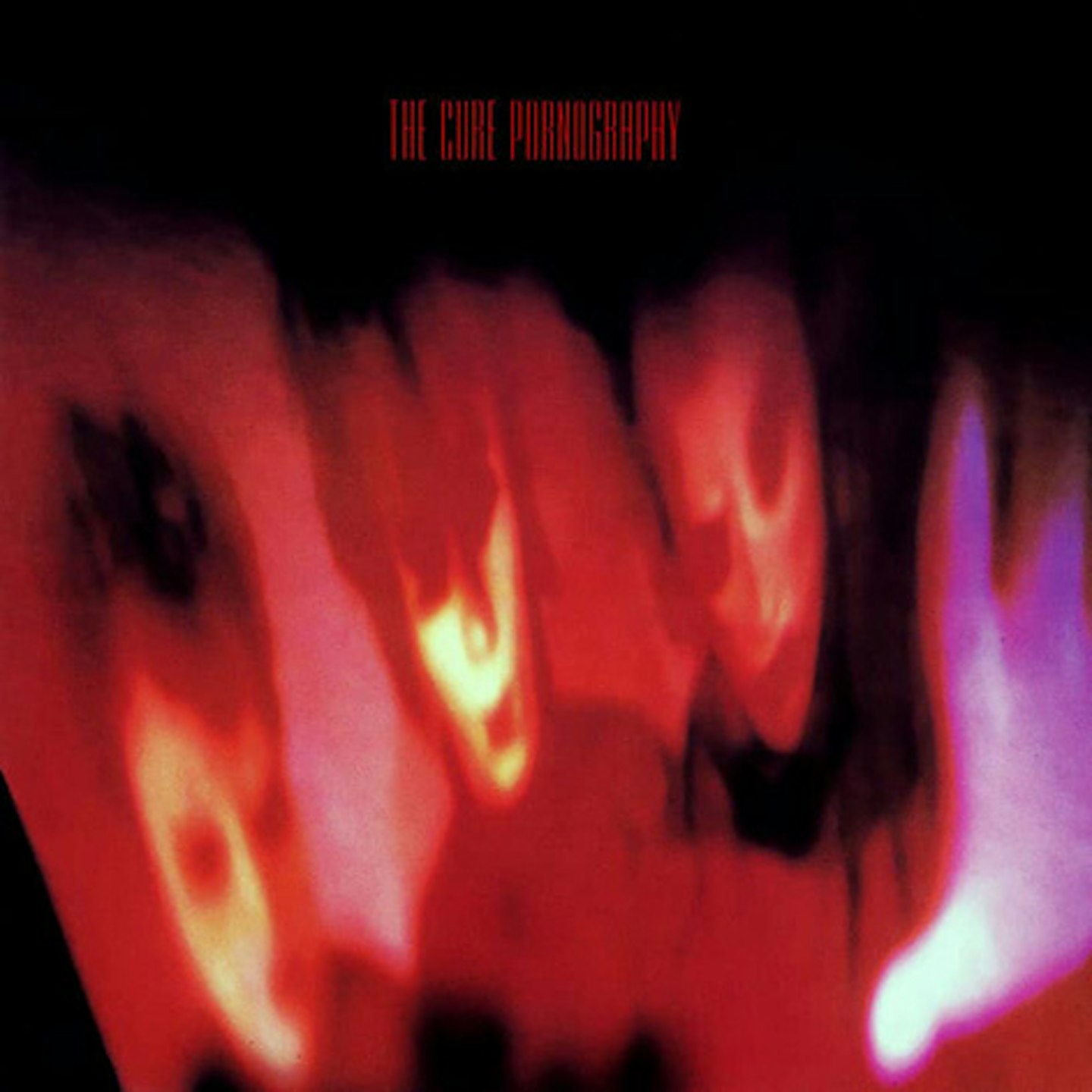
You think you know where you are with a record that begins “it doesn’t matter if we all die”, but having started at rock bottom, The Cure’s fourth album drills down into an unimaginable hell of darkness and derangement. Dragged out of Smith’s desire to make a “horrible” record, their Sgt Pepper of the damned moves begins with the dystopian cut-up of One Hundred Years, before sliding into the collapsing reason of A Short Term Effect and the totemic tribal horrors of The Hanging Garden; the title track’s detuned I Am The Walrus, meanwhile is the sound of a band hitting terminal velocity. A profoundly unhealthy space in which to live, but an astonishing world to visit.
Key Song: The Hanging Garden