Won’t Back Down: Heartland Rock And The Fight for America
★★★★
Erin Osmon
W.W. NORTON & COMPANY
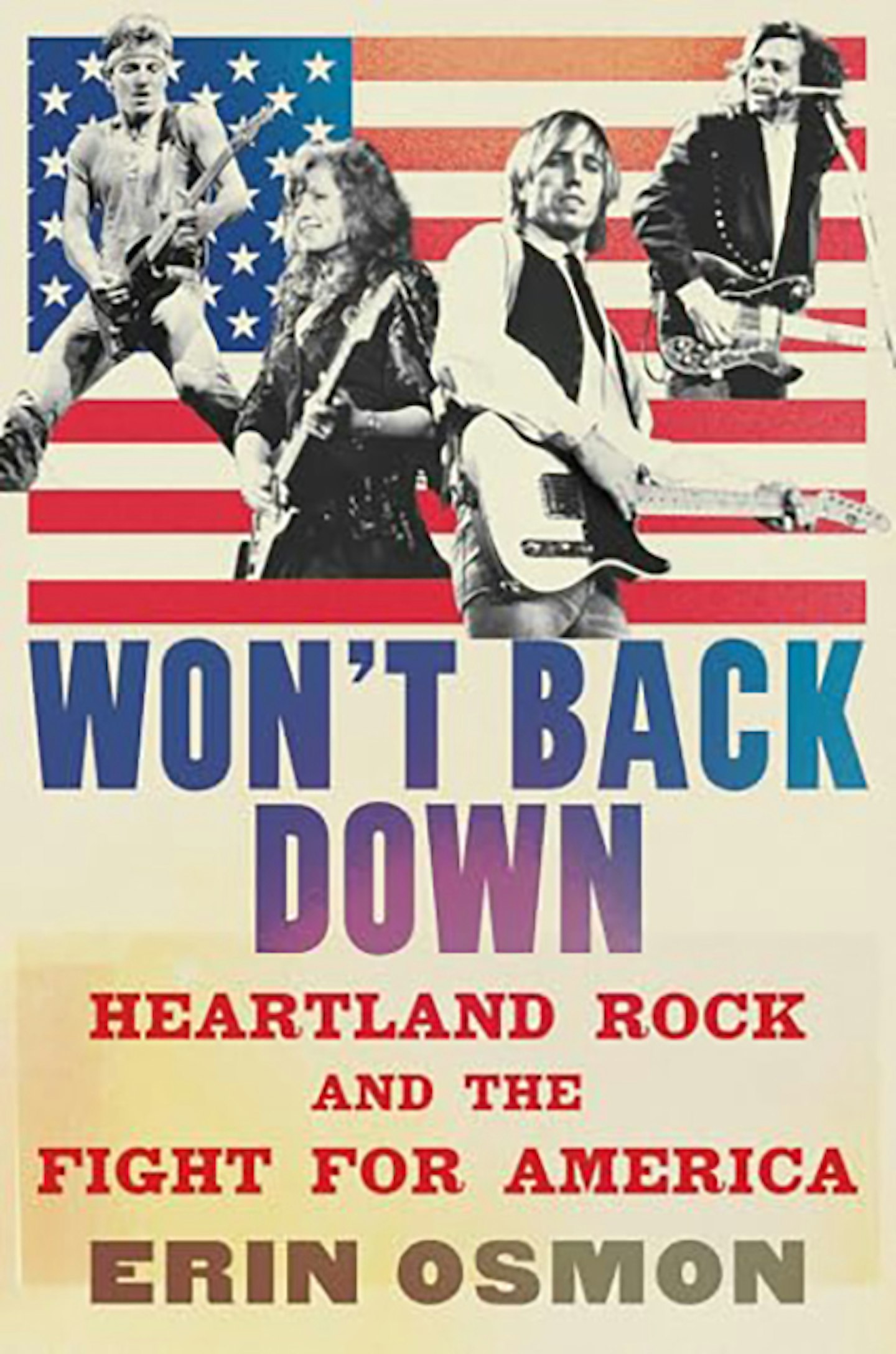
Mention the music of the 1980s and for most it conjures a quick-cut montage of big hair, synth sounds, and a certain kind of outsized pop stardom. Erin Osmon, however, offers a different perspective on the decade, chronicling the complicated rise of American heartland rock, a brand of populist music personified by the “core four” of Bruce Springsteen, Tom Petty, Bob Seger, and John Mellencamp.
Osmon - a Midwesterner and author of previous books on John Prine and Jason Molina - pulls together an interweaving narrative of the era, set against the backdrop of Ronald Reagan’s outwardly uplifting but ultimately divisive presidency. She notes how this contingent of artists would respond to the shifting mores of the Boomer generation and the destruction of the American working and middle classes, while reckoning with the long shadow of the Vietnam War, the frightening spectre of AIDS, and a music business suddenly, radically reshaped by the arrival of MTV.
In her introduction the author admits that heartland rock’s practitioners can’t neatly by grouped by a common sound or geography. While Springsteen’s Jersey upbringing and Petty’s Florida raising may have been physically disparate, they were emotionally similar and would ultimately inform their battles, as the Boss fought against Reagan’s co-opting of Born in U.S.A., while the Heartbreakers leader waged war against the pernicious policies of major record labels.
Though they serve as the book’s most determined characters, it’s Indiana native Mellencamp who emerges as its most fascinating figure. Evolving from a punkish chancer under the control of David Bowie/MainMan manager Tony Defries to an uncompromising self-determining artist who would earn a rep as “an arrogant SOB or a tough guy who doesn’t take shit from anyone, depending on one’s point of view,” notes Osmon.
Though this strain of rock music was largely male dominated, the decade would close with a chorus of female voices breaking through, chief among them Bonnie Raitt. The Los Angeles-raised daughter of stage and film star John Raitt, she would experience an unlikely mid-career transformation from blues journeywoman to Grammy-winning multiplatinum star – as other similarly earthy artists like Tracy Chapman, Melissa Etherdige, and the young Lucinda Williams brought a powerful distaff energy and perspective to the music.
While the artists’ individual stories – the book also examines the careers of up-and-coming rockers like Los Lobos and the Blasters, and the resurgence of veterans Neil Young and Bob Dylan – form the foundation of the book, the tangents Osmon explores offer equally intriguing insights. She delves into the history of the Compact Disc, and how the opening of Sony’s DADC pressing plant in Indiana crucially helped accelerate the rise of the format, while showing how mail-order record clubs like Columbia House and the American auto industry had a significant impact on the perception of heartland rock as well.
Across 300 pages, Osmon’s clear-eyed vision and economical prose keeps Won’t Back Down moving at a brisk pace, blending facts, anecdotes and critical insights into an unexpectedly entertaining history.
Won’t Back Down: Heartland Rock And The Fight for America is available now from W.W. Norton & Company.
ORDER: Amazon | Waterstones
Get the latest issue of MOJO for the definitive verdict on all the month's essential new releases, reissues, music books and films. More information and to order a copy HERE!