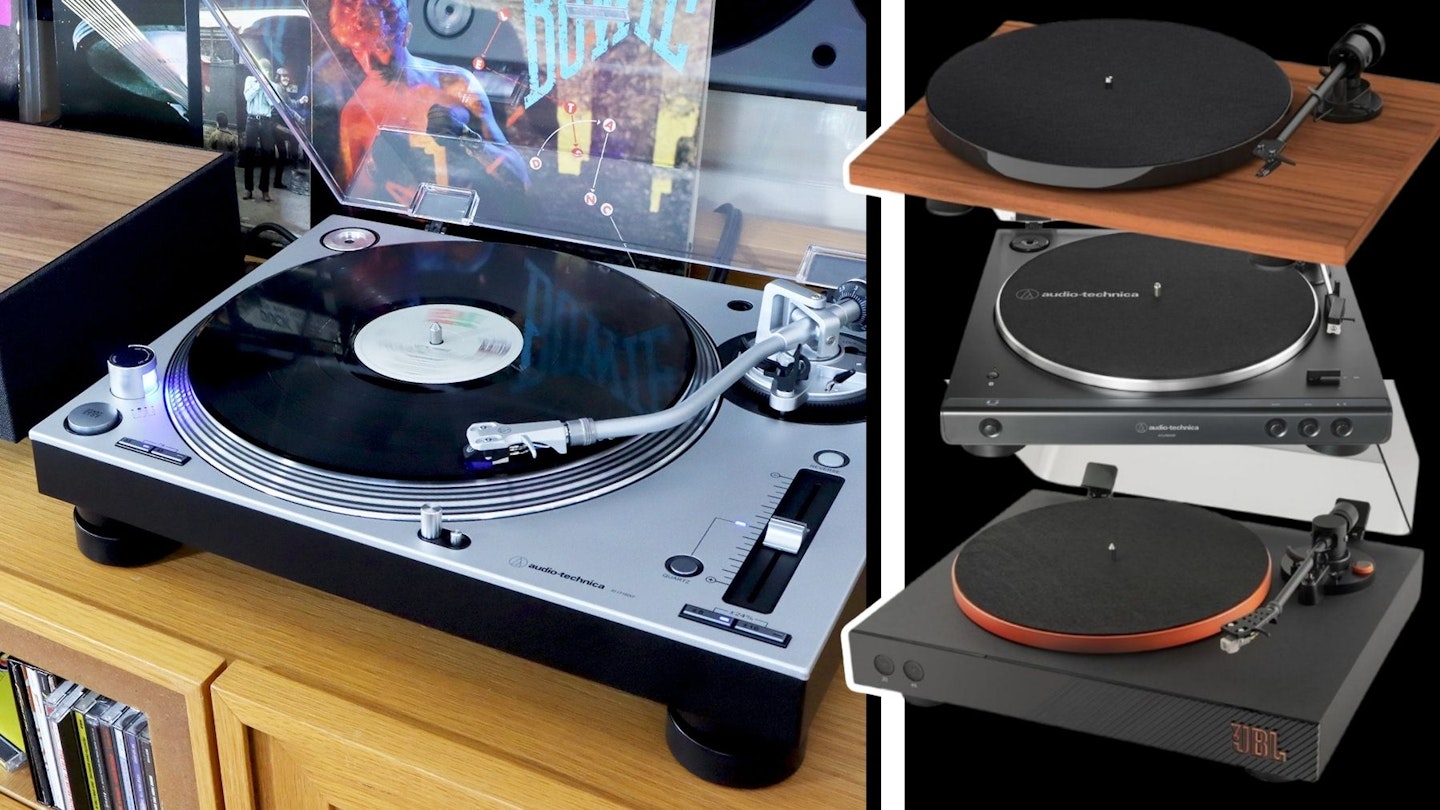
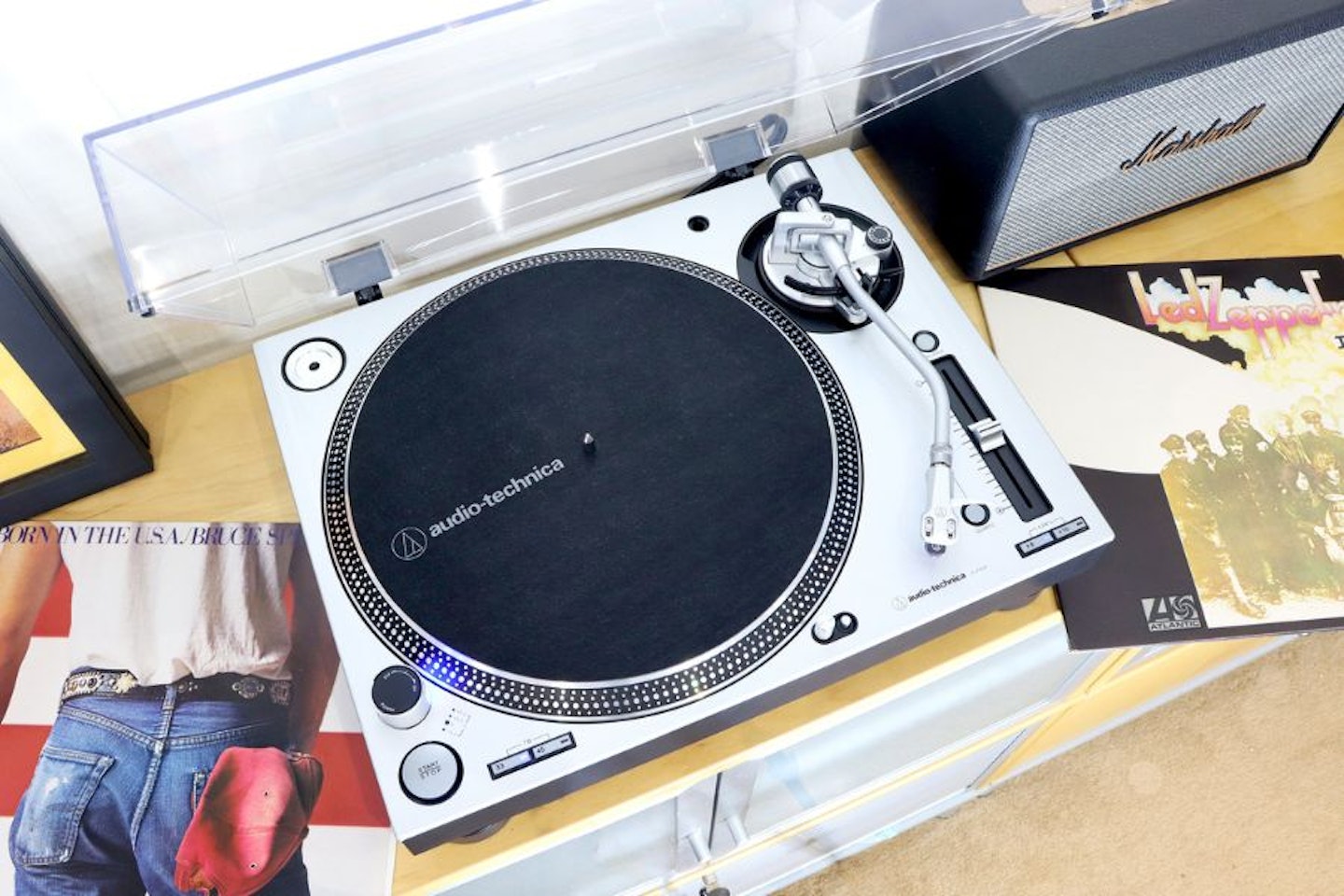

Staring at a stack of LPs that long to be played but can't find the right deck to do them justice? Something that will bring out the low end on that pressing of Heart Of The Congos, give your Black Sabbath LPs a suitably apocalyptic kick, or accentuate the subtle nuances on those outtakes unearthed on the new instalment of Bob Dylan’s Bootleg Series.
For us, the best budget record players are the ones that get the basics right – from a weighty plinth and solid platter to a decent tonearm, cartridge and stylus. That all adds up to better sound. Our pick of the best also include decks with advanced features for the price, like anti-skate and pitch control. If all of this sounds like a technical fever dream, we've included a guide to turntable jargon below.
Best Budget Record Players At A Glance
Bagging what looks like one of the best record players under £100 might sound like a good idea, but the chances are you'll end up wishing you'd kept your LPs in their sleeves. We've all owned cheap decks with promising looks that end up failing to deliver, some even damaging records in the process. For us, there's a price below which things simply stop working. That's why we've set out to find the best budget record players in a price between the £500 and £200 mark.
So, what can you expect from a budget record player? After all, some audiophiles would have you believe that spending anything less than £1000 isn't good enough. Well, to borrow from Dylan: the times they are a-changin'. We've found models at both ends of the budget price range that are more than capable of excellent sound, many with plenty of room for customisation. So, let's drop the needle on this brand new 2026 pressing of the best budget record players on the market.
How We Chose The Best Budget Record Players
We've selected the best budget record players based on reliable and trusted brands, average user reviews, price, and suitability for each use case. We balance price with audio quality, build quality and overall design – including plinth weight and platter material. We also look at connectivity and controls, alongside additional features such as anti-skate, pitch control and other adjustable settings. Our writers may also choose products based on hands-on experience where we own or have tested them ourselves. Retailers are selected based on price, availability and reputation as reliable and trusted sellers.
Best Budget Record Players Of 2026
Hands-on tested
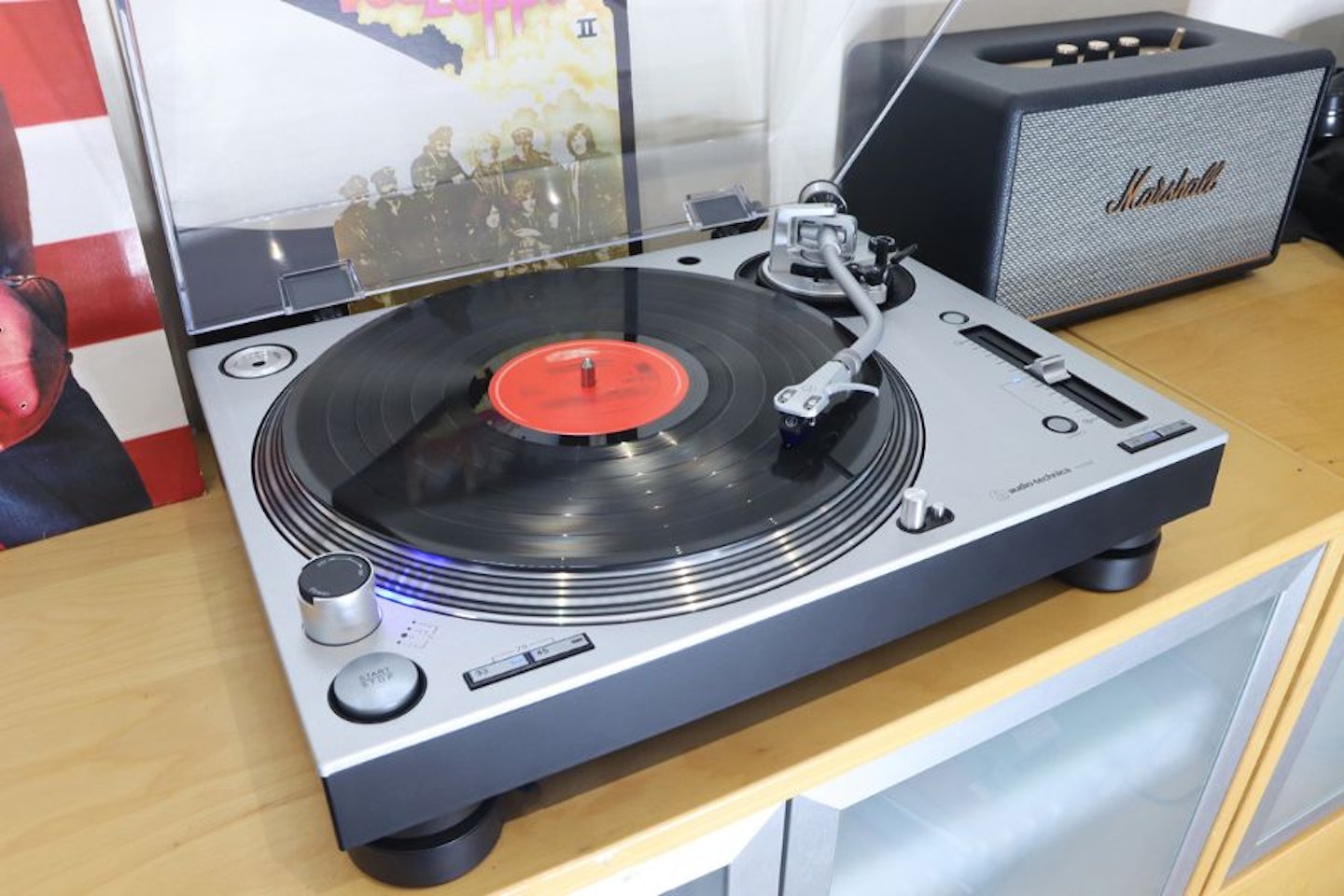
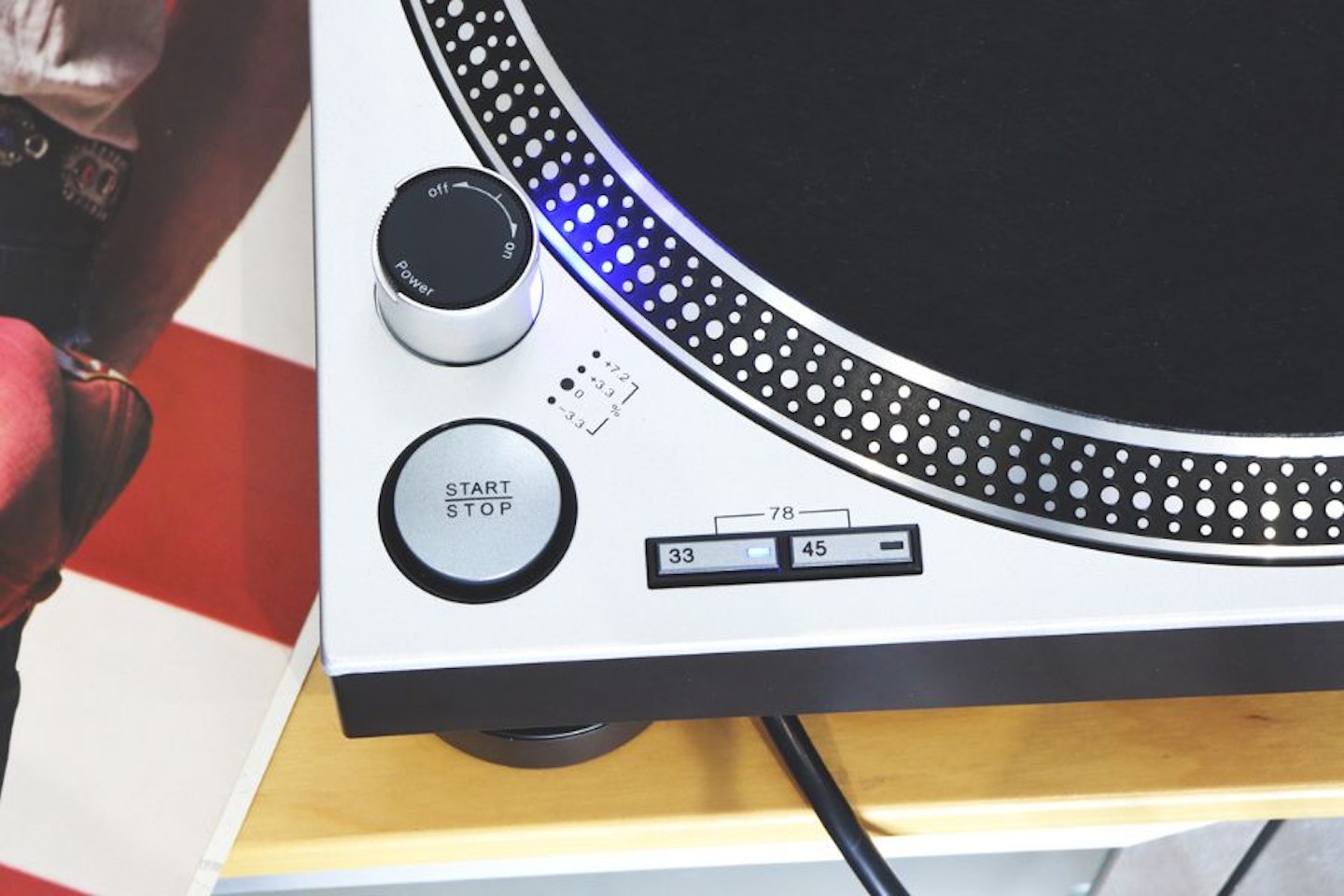
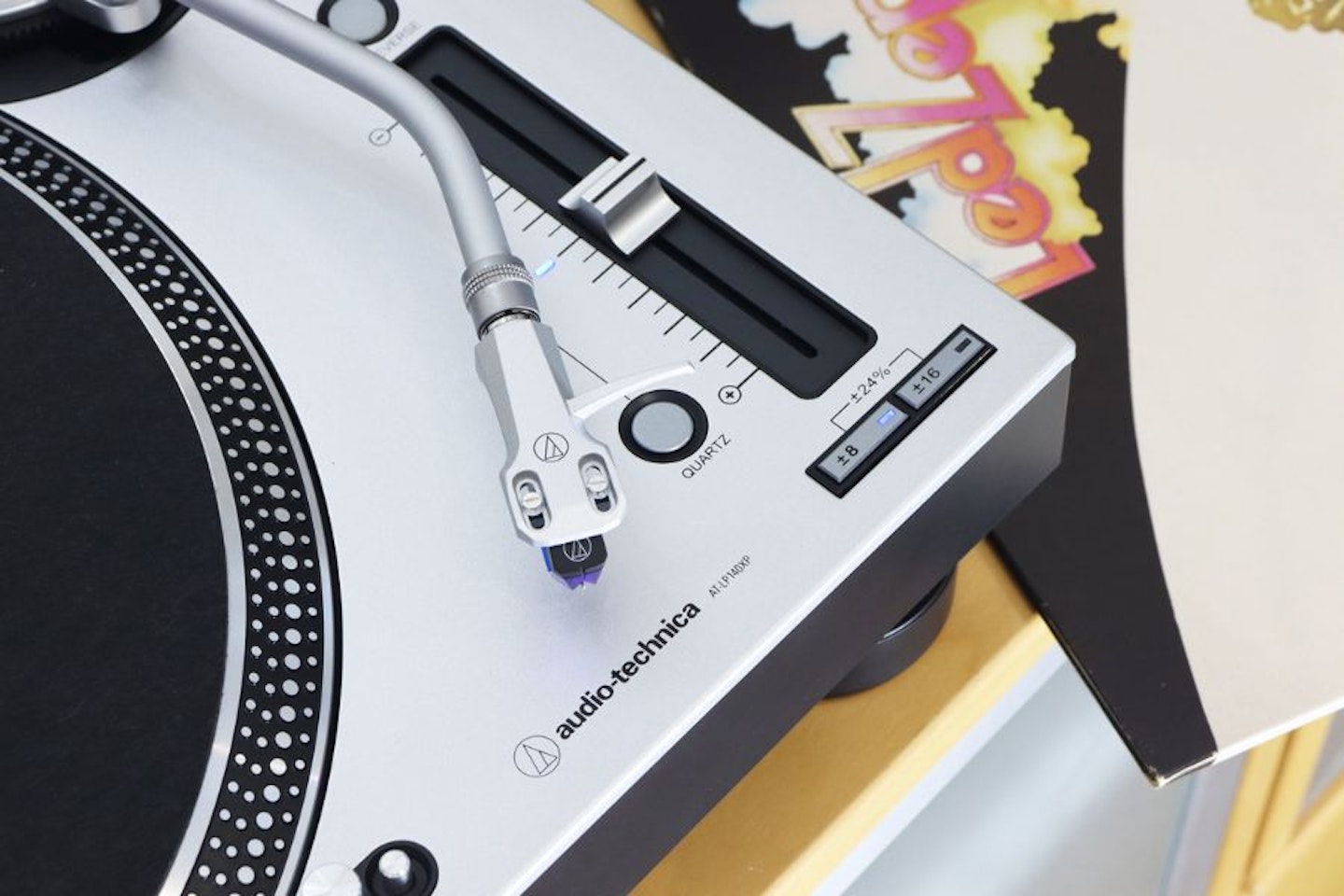
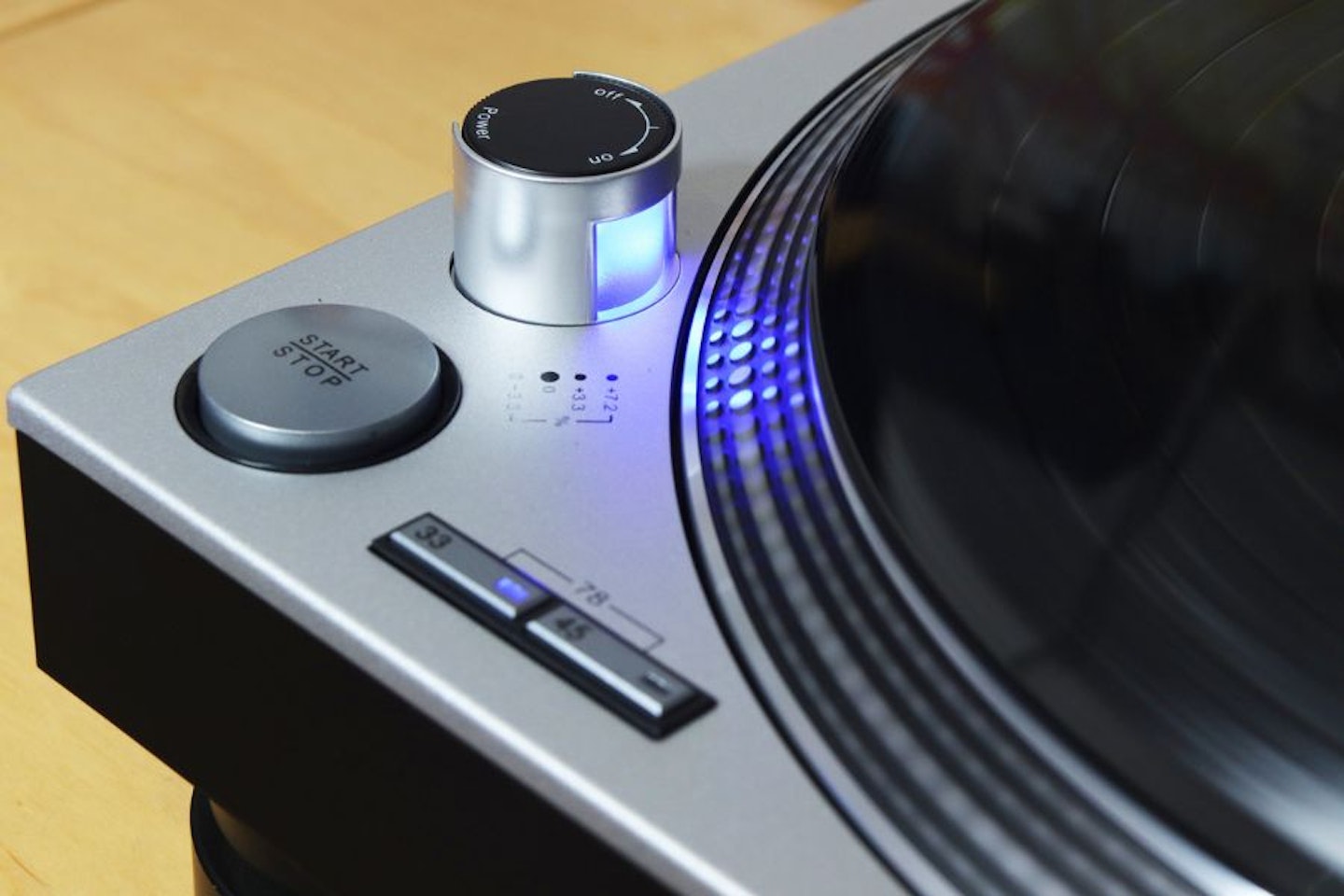
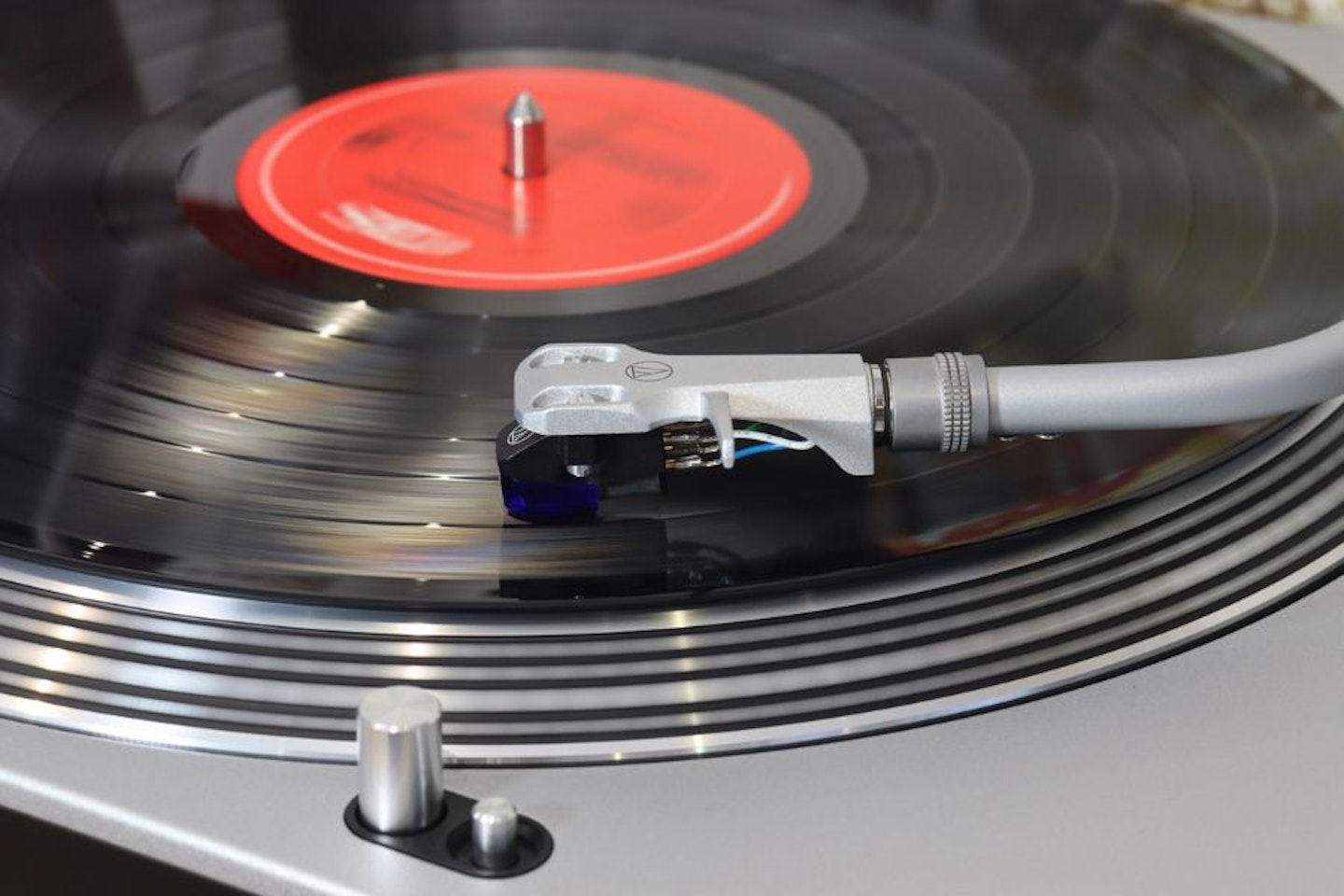
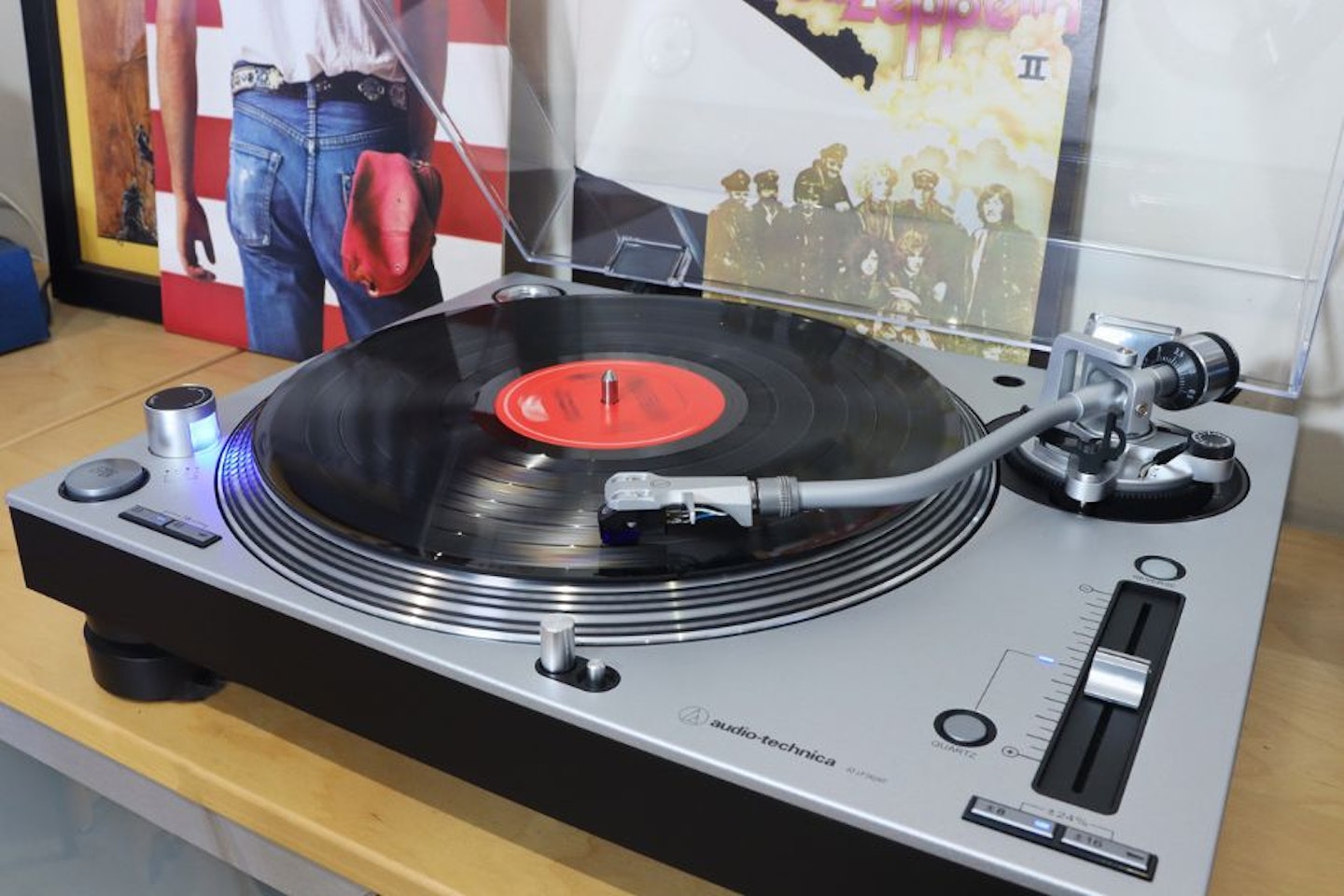
At first glance the Audio-Technica AT-LP140 borrows heavily from the iconic and expensive Technics SL1200 – which is why we selected it for testing. This deck combines a classic DJ layout with a level of adjustability to please vinyl fans who want more control over setup and operation.
Playing some of Bruce Springsteen’s recent Nebraska ‘82 boxset on this turntable through a Marantz PM6007 amp and KEF Q series speakers was a real highlight, confirming the AT-LP140's reputation for suiting rock music – further confirmed with a blast of the ever-reliable Led Zeppelin II. And that's thanks to the (replaceable) AT cartridge with its well-rounded sound – a defined midrange, decent bass response and crisp treble. As for controls, everything here is manual. Right out of the box we had no use for the pitch adjustment or the strobe, as we gauged the RPM and all three were extremely close to spot-on. We love the inclusion of 78 RPM, the anti-skate control and the S-shaped tonearm for excellent tracking that never let us down.
We were also impressed by the solid build quality of the AT-LP140 – the whole deck weighing in at 10 kilograms, plus dampened feet for great isolation. Unlike others here there's no USB output for those who want to digitise their wax, or an internal preamp – so make sure your amp has a phono input or invest in an external preamp. But those are the only real shortcomings of a deck that delivers reliable performance and versatility, as well as echoing that classic Technics SL1200 look for a fraction of the price.
Pros
- An affordable and great-sounding tribute to the classic (and costly) Technics SL1200
- A level of manual control that's hard to beat, including anti-skate, tone arm height adjustment and pitch control
- Handy extras like a speed strobe, cueing light and 45 adapter
- A weighty deck with exellent vibration dampening
Cons
- No built-in preamp, so you'll need one built into your amplifier or an external preamp
- No USB output
| Cartridge & Stylus | AT-XP3 MM cartridge with 0.6 mm conical stylus |
| Drive Type | Direct |
| Operation | Manual |
| Platter | Die-cast aluminium with felt mat |
| Speeds | 33-1/3 RPM, 45 RPM, 78 RPM |
| Connectivity | RCA - detachable cable |
| Phono Stage | No |
| Dimensions | 158.6 x 452 x 352 cm |
| Weight | 10 kg |
Researched & recommended
Best budget record player for beginners
 Sony
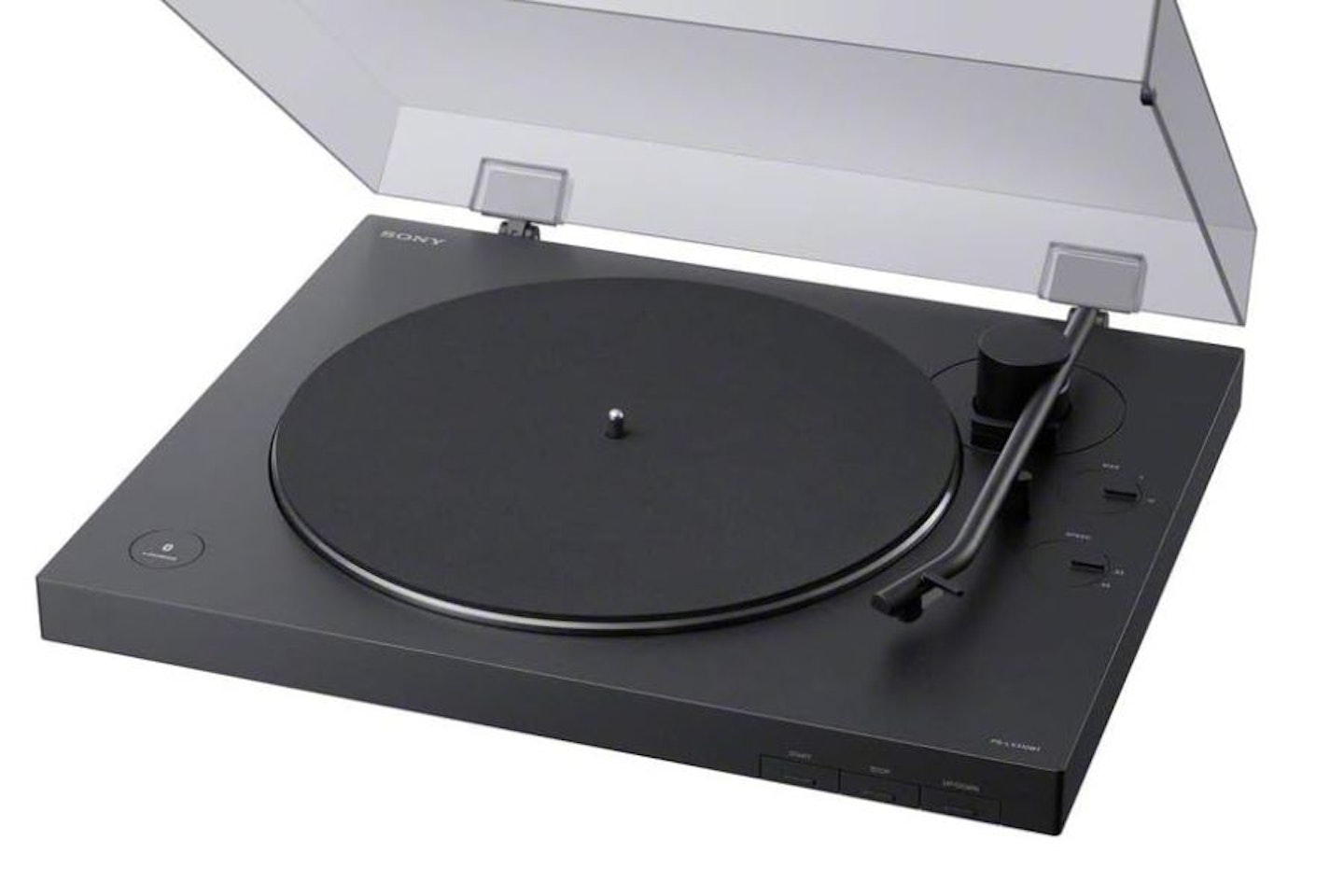
SonySony's track record for reliable audio gear continues with this agile, user-friendly turntable. Designed with a slim profile, its modern and accessible looks tell the whole story. This is an extremely user-friendly fully automatic deck that takes the hassle out of cueing up, dropping the stylus and lifting it at the end of the record. Just hit one button and it'll start, with user-friendly control buttons for play, stop, and cueing – perfect for those who don't want to risk dropping the tonearm and scratching those precious grooves.
It also removes the headache of phono connections, as this Sony can connect wirelessly with up to eight devices via Bluetooth. That gives you a ton of options for pairing with smart and mobile devices, hi-fi systems or Bluetooth-ready amplifiers. That said, we're glad to see that the wired option is still present alongside a built-in preamp for connection to any amplifier. The tonearm has been redesigned from previous versions too, improving stability and bass response, while the gain control allows you to adjust output levels – perfect for boosting those quieter records.
However, there are some nitpicks. While the lack of 78 RPM won't bother most owners, the fixed headshell may not be a good match for those keen on customisation. Still, for most users this deck will strike an excellent balance of style, ease, and audio performance. Finished with a well-rated Audio Technica ATN3600L stylus, it's an ideal all-in-one solution for newcomers and vinyl fans who just want a quality low-hassle deck.
Pros
- Almost totally hands-free automatic operation
- Solid Sony build and a sleek design
- Bluetooth for wireless connectivity to other active speaker systems, smart speakers or amps
- Built-in phono preamp for simple compatibility with active speakers or amps without a preamp
Cons
- Bluetooth is only version 4.2 so not as good for range or data rate
- Headshell is not removable, so upgrading isn't an option
| Cartridge & Stylus | Moving Magnet (MM) with an Audio Technica ATN3600L stylus |
| Drive Type | Belt drive |
| Operation | Fully automatic |
| Platter | 11.65-inch diameter, aluminium die-cast |
| Speeds | 33 1/3 RPM, 45 RPM |
| Connectivity | Bluetooth 5.0, RCA output, USB Type B |
| Phono Stage | Yes |
| Dimensions | 430 x 108 x 367 mm |
| Weight | 3.5 kg |
Researched & recommended
Best budget record player under £500
 Fluance
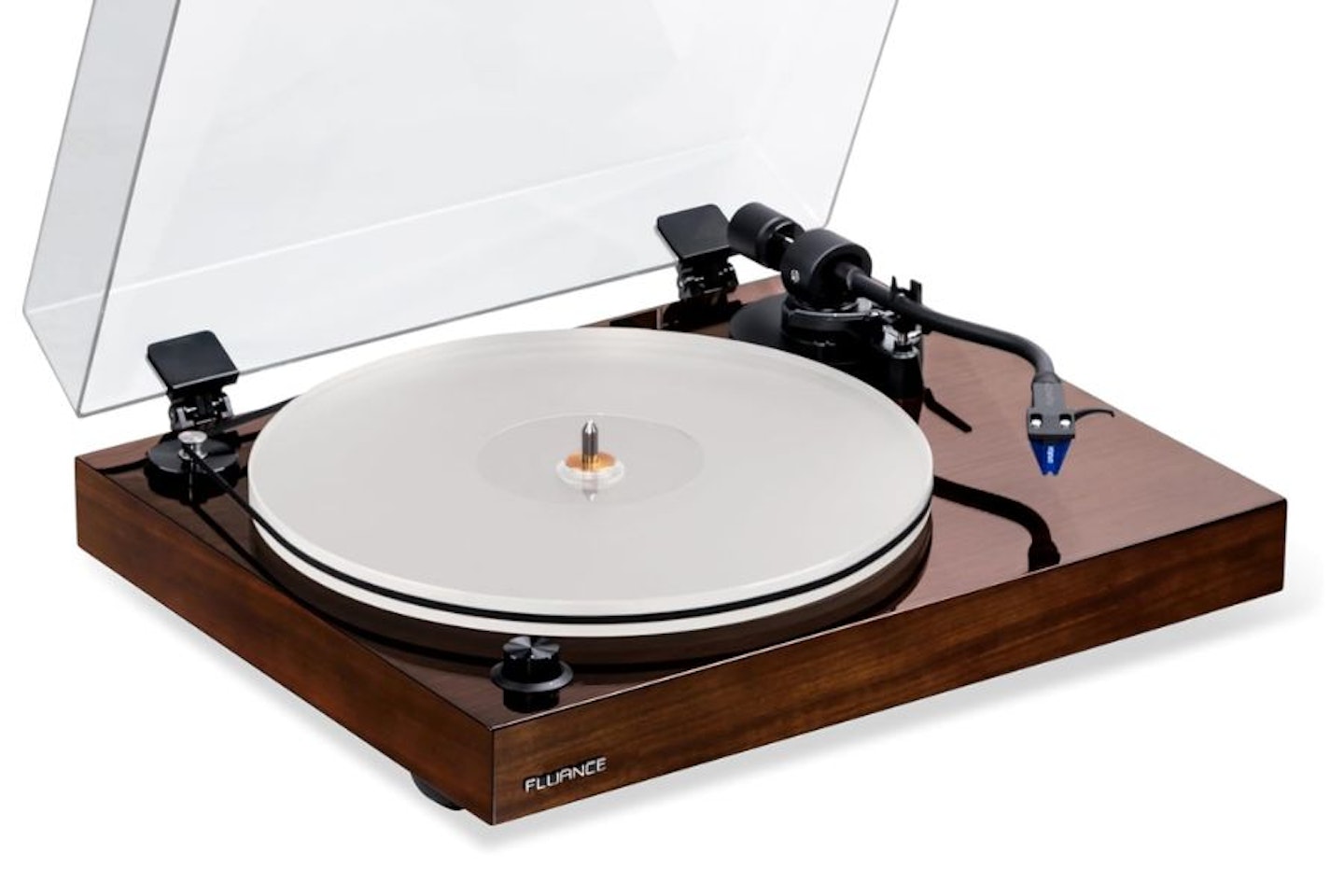
 Canadian brand Fluance has a strong reputation for quality. Starting in 1999, the brand branched into turntables in 2016 – quickly becoming a favourite of vinyl fans worldwide. This RT85 Reference Turntable earns its place here thanks to a sharp blend of audiophile features, super-solid build and a factory-fitted Ortofon 2M Blue cartridge (which retails for close to £150 on its own). All of that means that this deck draws out musical detail right from the start. The solid MDF walnut-finished plinth (also available in Bamboo, Piano White and Piano Black) is paired with a solid acrylic platter – contributing to the hefty 7.6 kilogram weight, dampening resonance and keeping playback smooth. That all makes for exceptional clarity and well controlled bass.
Another fully manual deck in our line up, the RT85 caters to vinyl fans who enjoy hands-on control, offering adjustable anti-skate and counterweight for precise setup. There is, though, a handy auto-stop feature. There's no built-in phono preamp though, so you'll need to buy an external one or hook it up to an amp that has an integrated phono stage. Swapping between 33⅓ and 45 RPM is easy thanks to the belt-driven setup, and a 45 RPM adapter is included for singles.
Controls are refreshingly simple – just power, speed, and the cue lever. The vibration-isolation feet and low-noise motor help ensure quiet, stable operation, too. We love this deck's sleek, modern styling. If you're looking to spend that little bit more on a budget turntable while skipping more entry-level offerings, the Fluance RT85 has enough control, room for upgrades and a dash of audiophile-level finesse that's hard to beat.
Pros
- Beautifully designed, engineered and finished – with a choice of four colours
- Excellent Ortofon 2M Blue cartridge as standard
- Solid plinth and acrylic platter make this one of the best decks here for vibration isolation
- Fully manual controls for those who like the hands-on approach to vinyl listening
Cons
- No built-in preamp
| Cartridge & Stylus | Pre-fitted with an Ortofon 2M Blue moving-magnet cartridge |
| Drive Type | Belt |
| Operation | Manual, auto-stop option |
| Platter | Acrylic (approx. 1.5 kg) |
| Speeds | 33⅓, 45 RPM |
| Connectivity | RCA outputs (gold-plated), ground terminal |
| Phono Stage | No. |
| Dimensions | 14.6 × 41.9 × 36.2 cm |
| Weight | 7.6 kg |
Researched & recommended
Best budget record player under £400
 Pro-Ject
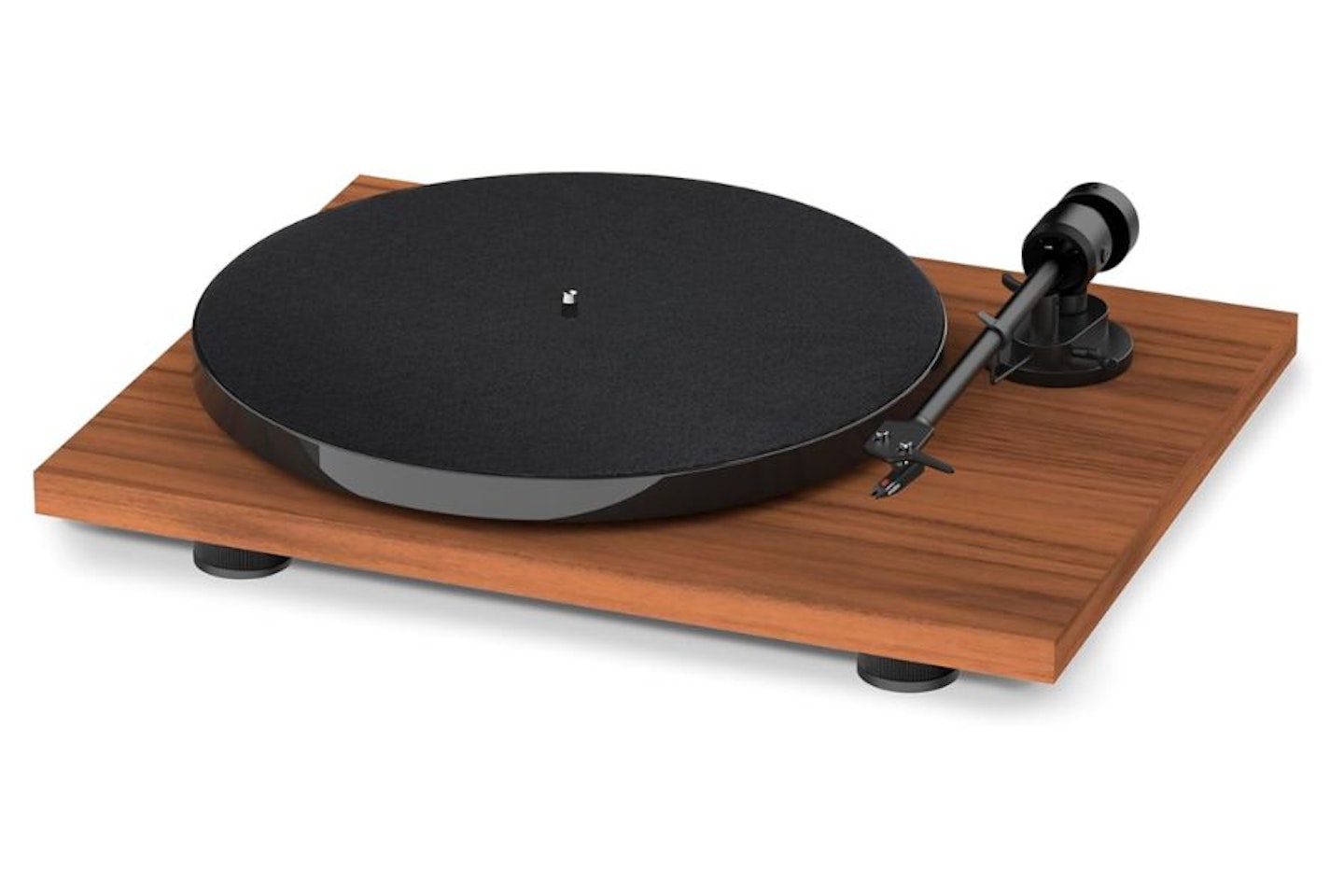
Sporting the brand's signature minimalist aesthetic, Pro-Ject's E1 BT is our top choice for those looking to combine their love of vinyl with modern convenience. For us the E1 BT strikes an almost perfect balance between fuss-free setup and manual operation – and that's down to this model's ability to stream via Bluetooth. So, if you already own one of the more capable Bluetooth speakers out there, like the Marshall Acton III, you can enjoy your favourite records wherever you like – no hi-fi amp or cables required. Thankfully standard RCA phono outputs and the built-in switchable phono preamp makes this very amp-friendly too.
Compared to more basic decks, the E1 BT feels instantly upmarket. The CNC-machined plinth comes in Walnut, Gloss Black or Gloss White finishes, while a sturdy anti-resonant ABS polymer platter provides an exceptionally stable surface for your wax. Despite the product imagery, this does indeed come with an acrylic dust cover to keep the dreaded dust at bay.
At its heart is an Ortofon OM 5E cartridge with its famously neutral and balanced sound profile. Even better for those who like to keep things simple, this is factory fitted and aligned right out of the box – so although there's no counterweights or manual anti-skate control, none are needed. Just remember that, despite its simplicity, this is a fully manual deck – there isn't even an auto-stop, so you will need to keep an eye on this during listening sessions. Other than that, deck operation is supremely simple, with a single belt for 33 and 45 RPM speeds and push-button speed change. All in all, the Pro-Ject E1 BT is a stylish deck with top audio quality built into every stage of the design.
Pros
- Bluetooth output for wireless headphones and speakers
- Pre-fitted Ortofon OM 5E cartridge with no setup needed
- Built-in phono preamp allows flexible connection options
- Stylish, compact CNC-machined plinth available in multiple finishes
Cons
- No automatic stop or tonearm return at the end of a record
| Cartridge & Stylus | Ortofon OM5e moving-magnet cartridge |
| Drive Type | Belt |
| Operation | Manual |
| Platter | ABS Polymer |
| Speeds | 33 1/3, 45 RPM |
| Connectivity | RCA output; built-in Bluetooth |
| Phono Stage | Yes, switchable |
| Dimensions | 420 × 112 × 330 mm |
| Weight | 3.5 kg |
Researched & recommended
Best budget record player under £300
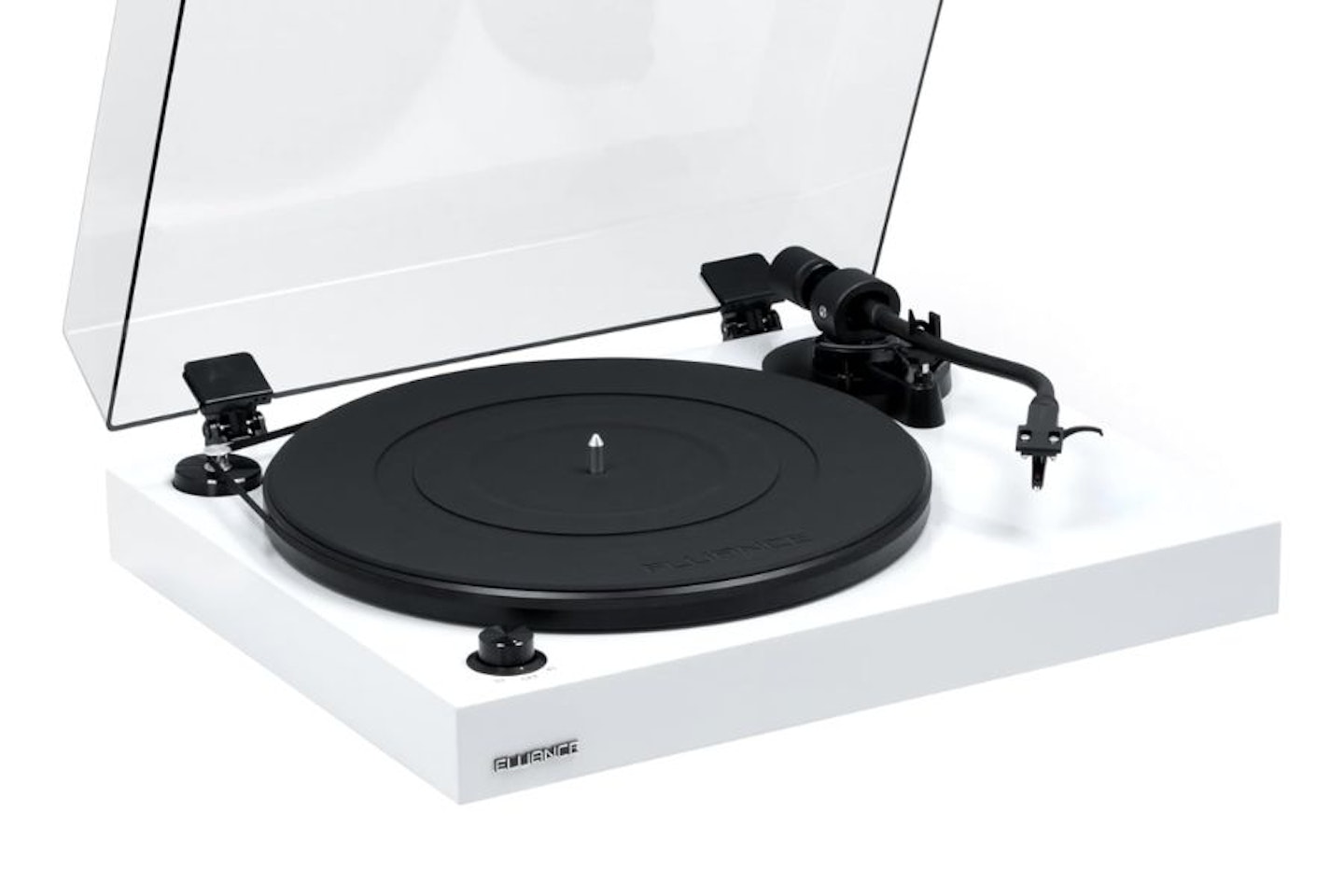 Fluance
 Popular among vinyl enthusiasts for its excellent, warm sound and solid engineering, the RT82 stands out in the mid-budget field. It's a semi-automatic belt-drive model with vibration-isolating feet, so you have the best of all worlds when it comes to ease of use, a bit of manual control and vibration isolation for cleaner sound.
Key to this performance is the high-mass MDF plinth, contributing to the substantial 5.5 kilogram weight and effectively reducing vibration. The isolated belt-drive motor further minimises unwanted resonance, while the precision-engineered platter and S-shaped tonearm deliver exceptionally clear playback. So yes, you can be sure that this is both built to perform and to last. It's readily upgradeable too, with headshell and platter among the components that can be easily modified.
A significant highlight for us is the Ortofon OM10 cartridge, widely regarded for its impressive detail and clarity over standard entry-level options. However, the RT82 doesn't have a built-in phono preamp, so you'll need an external phono stage or an amplifier with one included. It also doesn't support 78 RPM records. Still, with quality materials and a solid build (in a choice of four colours) this deck delivers exceptional sound with good manual controls, including anti-skating adjustment.
Pros
- A premium build and finish with excellent vibration dampening for better sound
- High-quality Ortofon OM10 cartridge and S-shaped tonearm for excellent tracking and sonic detail
- Semi-automatic operation so you can cue things up manually but not have to worry when the stylus reaches the end
- Easy to upgrade thanks to removable parts (including the headshell)
Cons
- Requires an external preamp
| Cartridge & Stylus | Ortofon OM10, elliptical stylus |
| Drive Type | Belt |
| Operation | Semi-automatic |
| Platter | Aluminium |
| Speeds | 33 1/3 RPM, 45 RPM |
| Connectivity | RCA outputs, grounding post |
| Phono Stage | Not included (requires external preamp) |
| Dimensions | 140 x 419 x 349 mm |
| Weight | 5.5 kg |
Researched & recommended
Best budget record player under £200
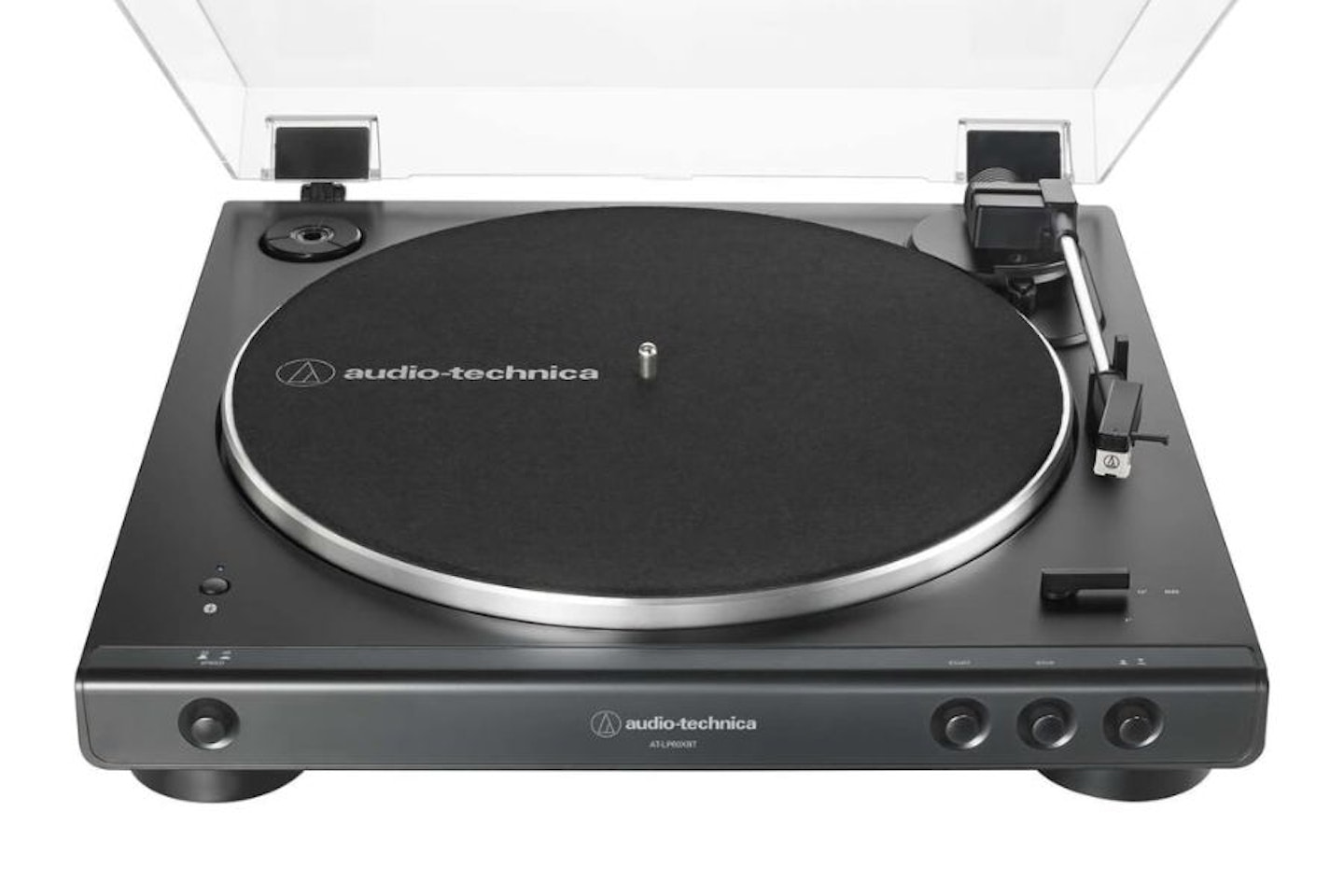 Audio-Technica
 Audio-Technica make it back into our list, and for good reason. The LP60 BX stands out as a strong entry-level turntable, delivering essential features at an accessible price. Sharing the core strengths of the larger LP120 model, the LP60 BX streamlines the experience with full automation – so there's no need to manually adjust the tonearm or settings. That makes it ideal for newcomers on a budget. The lack of manual control, such as adjustable anti-skate or a counter weight, may not suit those with the urge to tinker, but this model is factory-set to perform without those features.
While it doesn't offer 78 RPM playback (no surprise at this price-point) 33⅓ and 45 RPM are accompanied by a 45 RPM adapter for records with larger centre holes – giving your collection of ex-jukebox platters a new lease of life. The belt-driven die-cast aluminium platter helps minimise resonance and provides stable playback, and the switchable phono preamp means the deck can easily connect to a variety of amplifiers or speakers.
This model keeps controls straightforward – start, stop, and speed selection buttons are really all you need. We really appreciate the extra convenience of the tonearm cueing button that allows users to lift or lower the needle gently at the touch of a button for track selection. The included diamond ATN3600L stylus is replaceable too. In terms of design, the LP60 BX has a typically solid Audio-Technica build in a more compact form. A low-profile dust cover and felt mat are also included – meaning this deck has everything you need to get started. For affordability, simplicity, and reliable performance, it's an excellent choice.
Pros
- Solid AT build with a high-quality die-cast aluminium platter for better sound
- Fully automatic operation and simple controls
- Built-in switchable phono preamp for easy amp and active speaker connection
- Replaceable stylus
Cons
- There's no adjustable anti-skate or counter weight, as these are factory set
| Cartridge & Stylus | Integral Dual Magnet phono cartridge with replaceable diamond stylus (ATN3600L) |
| Drive Type | Belt |
| Operation | Fully automatic |
| Platter | Die-cast aluminium |
| Speeds | 33-1/3 RPM, 45 RPM |
| Connectivity | Detachable RCA output cable (3.5 mm male to dual RCA male), switchable between phono and line-level output |
| Phono Stage | Built-in switchable phono pre-amplifier |
| Dimensions | 359.5 x 97.5 x 373.3 mm |
| Weight | 2.6 kg |
Researched & recommended
Best budget plug and play record player
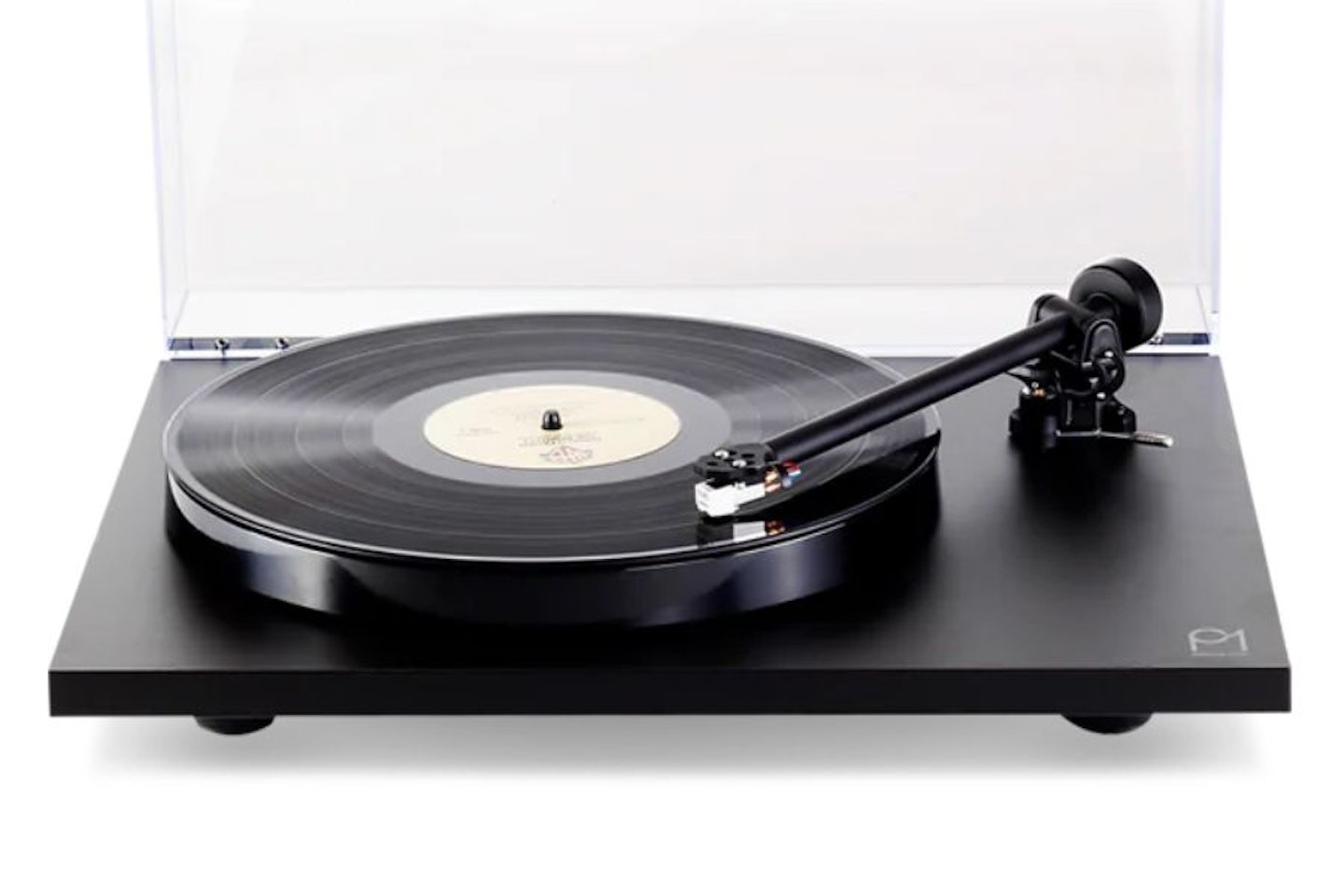 Rega
Regawww.sevenoakssoundandvision.co.uk
Displaying perhaps the most uncluttered platter of any turntable here, Rega's Planar 1 Plus is the ultimate plug-and-play deck for those who seek high-quality analogue sound without the fussy setup. In terms of build quality, Rega are rarely outmatched and the brand's celebrated RB110 tonearm with ultra-low friction bearings is on board for smooth, precise tracking. It also comes with a factory-fitted carbon cartridge and automatic anti-skate, making set-up something of a non-event – it's ready right out of the box. But that's hardly unique, so what makes this record deck such a winner when it comes to plug-and-play use?
Well, Rega have integrated their excellent external preamp technology right into this turntable, so you can quickly and easily connect to powered speakers or any amp with a line input. Other decks here have built-in preamps of course, but rarely at the quality used here. Many record player owners elect to turn off their deck's internal preamp and invest in a better external one – like the Rega Fono Mini A2D. No need to do that with the Planar 1 Plus.
The thick resin platter provides solid, stable record support for that punchy, detailed Rega sound. A robust, low-vibration motor and drive belt round things off for stable playback with minimal noise. But, as setup-friendly as this is, let's not forget that this is a fully manual deck, so you'll need to keep an eye on it when you reach the end of Side A. As for aesthetics, Rega is one of our favourites. Sleek and understated choices combine with a gloss plinth (black or white) to bring a touch of class to any room. With its included dust cover and no-fuss design, the Planar 1 Plus is a perfect entry point for vinyl fans seeking straightforward performance and Rega's signature musicality.
Pros
- Built-in phono stage for easy connection to any amplifier or powered speakers
- RB110 tonearm with ultra-low friction bearings for precise playback
- 23mm phenolic resin platter ensures stability and reduces vibration
- Sleek, minimalist plinth with a choice of finishes
Cons
- Manual operation only – no auto-stop or auto-lift features
| Cartridge & Stylus | Rega Carbon moving-magnet cartridge |
| Drive Type | Belt |
| Operation | Manual |
| Platter | Phenolic resin |
| Speeds | 33 1/3, 45 RPM |
| Connectivity | RCA |
| Phono Stage | Built-in |
| Dimensions | 447 × 117 × 360 mm |
| Weight | 4.35 kg |
Researched & recommended
Best budget Bluetooth record player
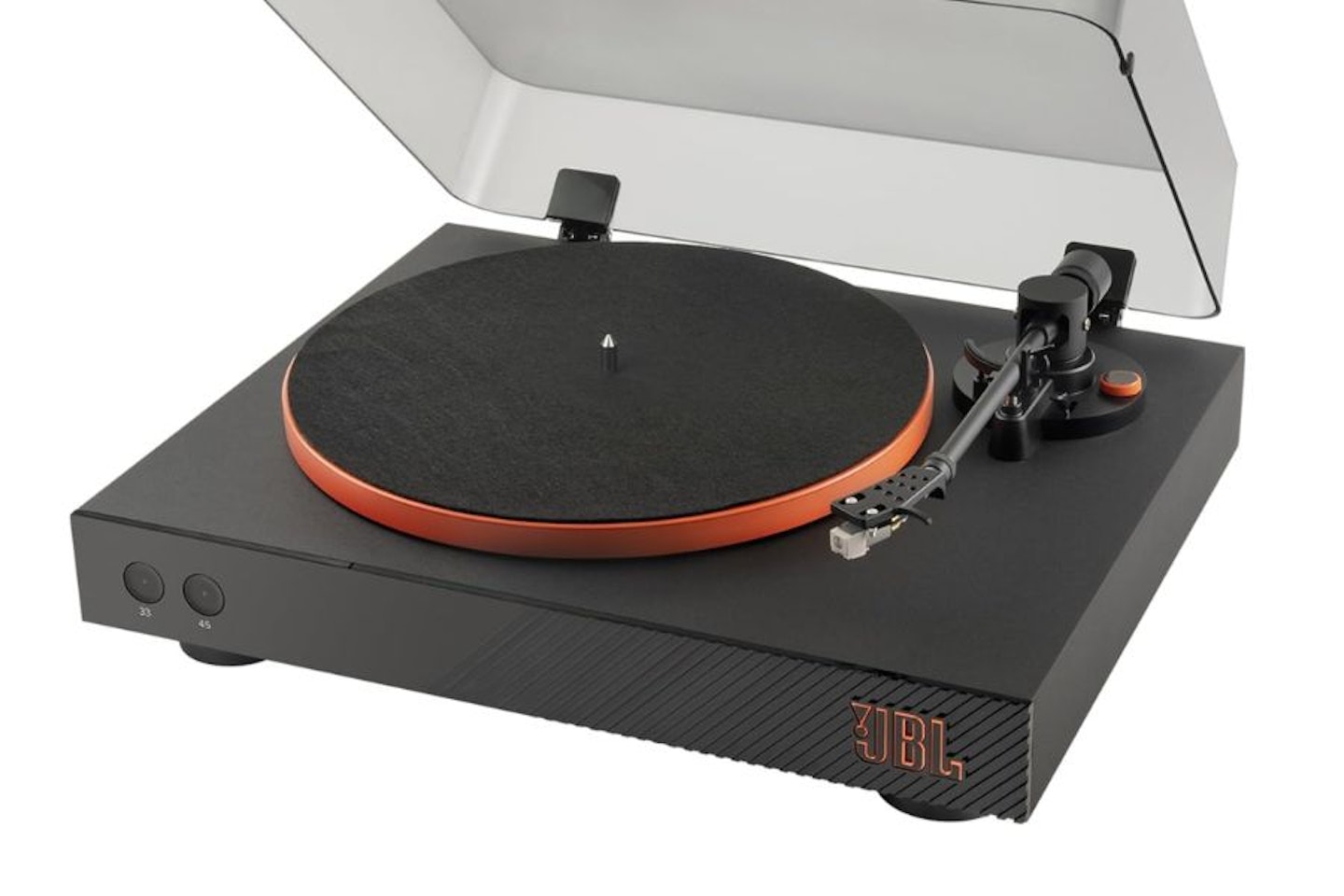 JBL
JBLJBL makes a bold entrance into the world of wireless vinyl with the Spinner Bluetooth AptX-HD Record Player. The audio company's second ever deck, we love to see an energetic long-standing brand like JBL mix retro appeal with modern connectivity. In typical JBL style, the Spinner flaunts its colour options in a way that most others don't. The splash of orange on this version, plus the chunky plinth and smoked dust cover with rounded corners, makes quite a statement.
But the Spinner BT isn't just about looks, it has the quality and flexibility to deliver both analogue vinyl and wireless streaming in one package. So let's talk about why this deck's Bluetooth is leagues ahead of the competition. It has the (relatively) up-to-date Bluetooth 5.2 for better quality and range, but it also supports aptX HD, letting you stream records in higher quality (24-bit, rather than the standard 16) to compatible JBL speakers, headphones, or other Bluetooth gear.
Despite its digital-friendly Bluetooth credentials, there's no USB connection to be found, making this one to avoid if you're thinking about ripping your vinyl. Elsewhere, the solid, belt-driven aluminium platter ensures stable playback, while the pre-installed Audio-Technica moving-magnet cartridge delivers lively, detailed sound right out of the gate. Swapping the stylus later is easy too, giving options for upgrade down the road. Perfect for wireless listening, this Spinner strikes a balance between retro style, performance and practicality.
Pros
- aptX HD Bluetooth enables high-quality, wireless streaming to compatible audio gear
- Eye-catching, modern design stands apart from traditional decks
- Ready-to-use Audio-Technica cartridge for instant, reliable playback
- Optical output makes it integration friendly for new sound systems
Cons
- No USB output for digitising your records
| Cartridge & Stylus | Audio-Technica AT3600L moving-magnet cartridge |
| Drive Type | Belt |
| Operation | Semi-automatic |
| Platter | Aluminium |
| Speeds | 33 1/3, 45 RPM |
| Connectivity | RCA output + Bluetooth 5.2 with aptX HD wireless output |
| Phono Stage | Built-in, switchable |
| Dimensions | 435 × 155 × 368 mm |
| Weight | 5.3 kg |
Researched & recommended
Best budget record player for DJs
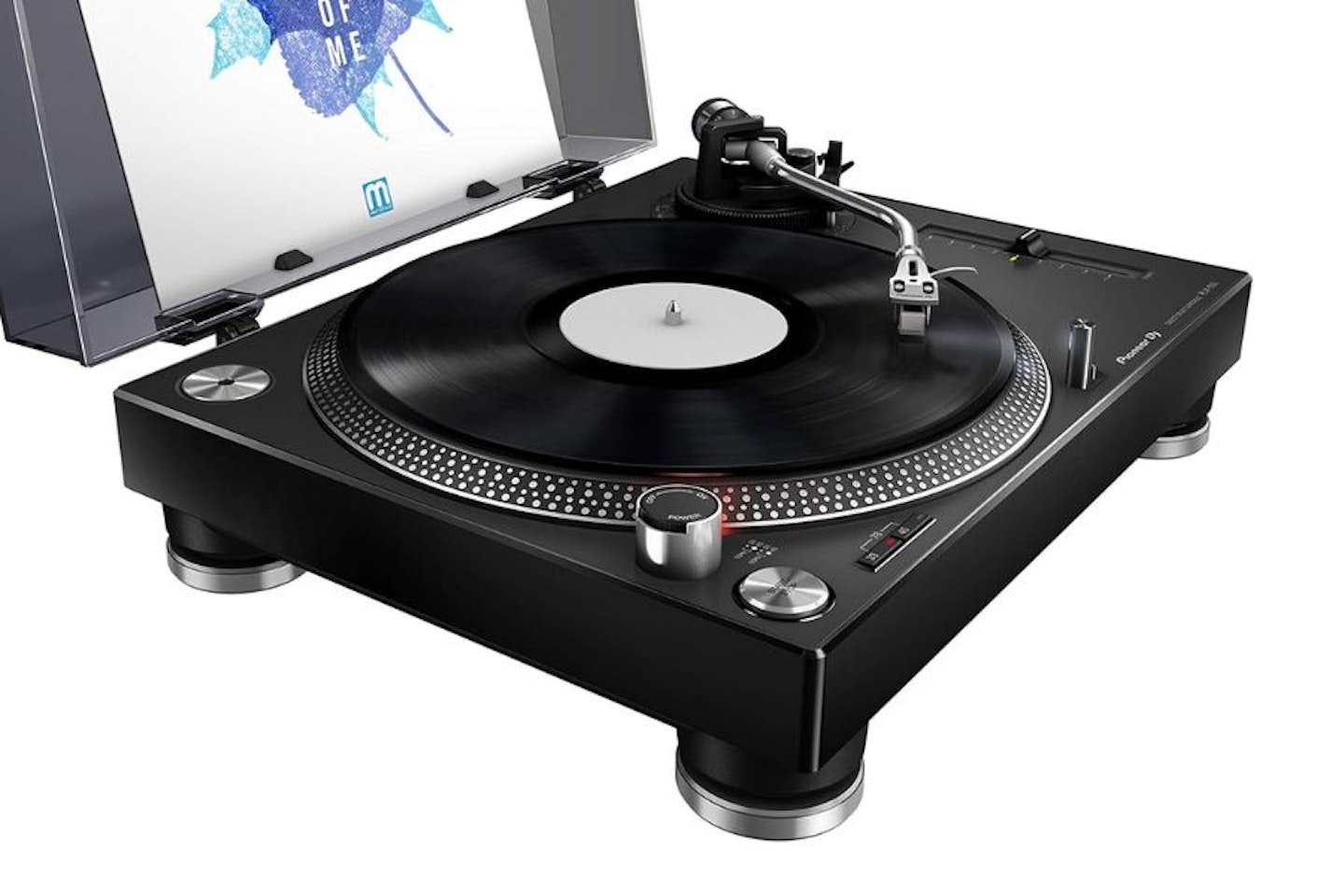 Pioneer
If your itch for a deck with DJ looks hasn't been scratched by the Audio-Technica AT-LP140, this model from Pioneer has a couple of tricks up its sleeve that make it the better choice for budding DJs. The most obvious one is that this Pioneer comes with USB output, which means that DJs can digitise their vinyl for use with digital mixers, and software like Rekordbox that allows the use of special Control Vinyl records with the Pioneer deck. These inaudible records allow you to use the turntable as a scratch controller for digital files. Clever stuff.
Another draw is the built-in album cover stand on the inside of the dust cover, letting you display what's spinning and reminding you what you have in the mix at a glance. Design-wise, the PLX-500-W is a nod to Pioneer's classic DJ decks, delivering both iconic looks and essential features for your set. The direct drive motor is an essential, offering improved torque and precise control for mixing and scratching compared to belt-driven decks.
Connectivity is straightforward. Alongside USB, you'll find standard RCA outputs for pairing with amps or mixing desks, and a switchable built-in preamp for flexible setup options. Precision controls are complemented by the speed strobe and pitch control, ensuring accurate adjustments. Overall, we think that the PLX-500-W balances DJ-focused features with a familiar design and solid build, making it a compelling option for those who want the authenticity of vinyl with the flexibility of digital mixing.
Pros
- Solid build quality and classic Pioneer deck design - ideal for mixing and DJing
- Versatile connectivity with USB output as well as removable phono (RCA) cables
- Pitch control and strobe for even more control
- Built-in switchable preamp
- Album cover stand built into dust cover
Cons
- Full manual operation may not be for casual non-DJ users
| Cartridge & Stylus | Cartridge and stylus (PN-X05) |
| Drive Type | Direct |
| Operation | Manual |
| Platter | Aluminium, die-cast, diameter 332 mm |
| Speeds | 33 1/3, 45, 78 RPM |
| Connectivity | USB B port, PHONO/LINE (RCA) |
| Phono Stage | Built-in, switchable to line output |
| Dimensions | 450 x 159 x 368 mm |
| Weight | 10.7 kg |
Researched & recommended
Best audiophile budget record player
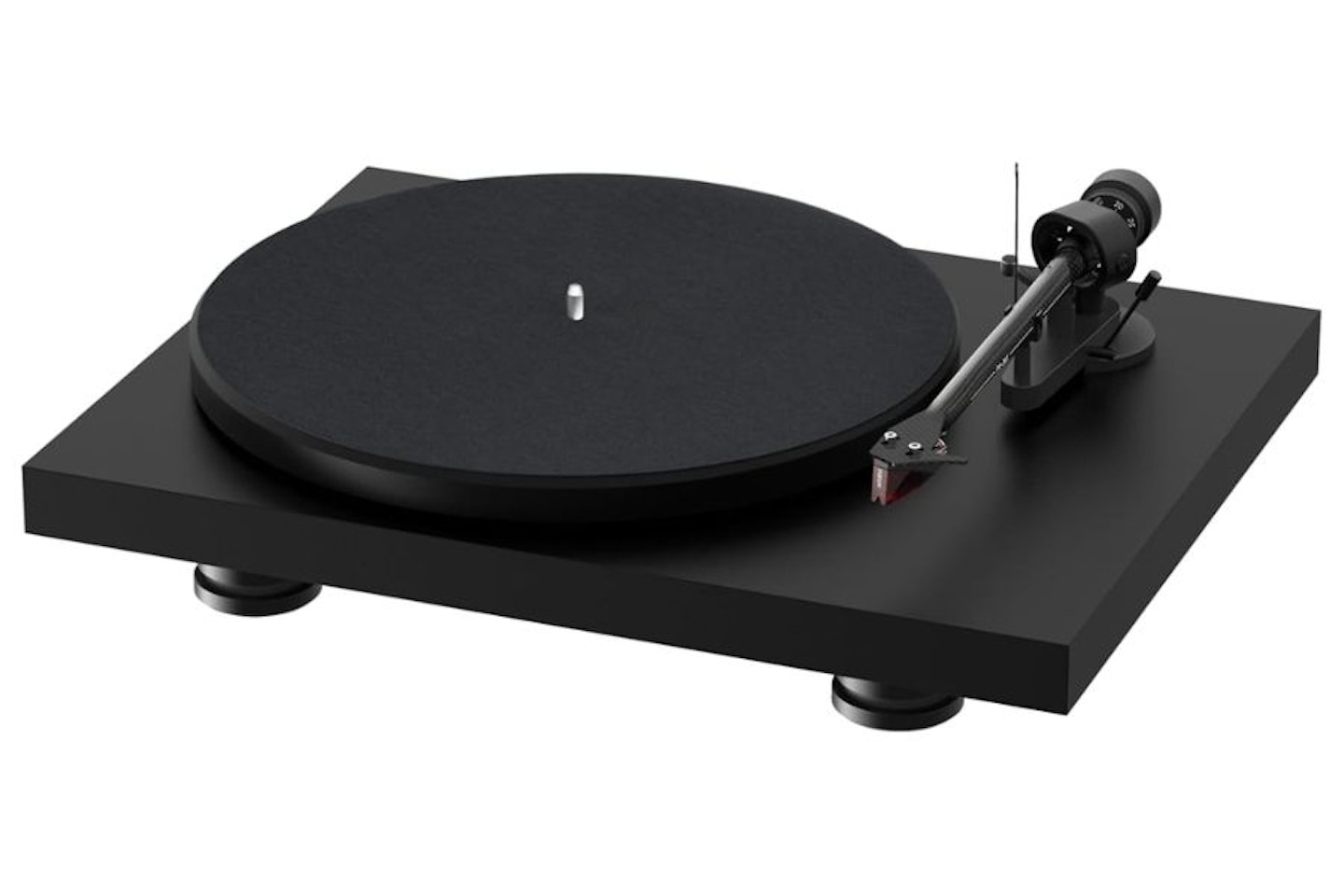 Pro-Ject
 The word 'audiophile' can be a little divisive, often associated with kit so expensive it's unattainable for most. But here Pro-Ject presents us with a genuine entry-level audiophile turntable that puts performance first. And nothing says that more than the Debut Carbon EVO's hyper-minimalist appearance. But make no mistake, this doesn't equate to a no-frills deck. This turntable is all about maximum performance and high-end materials over knobs and levers.
One of the standout features for us is the carbon fibre tonearm – a true audiophile touch. Why? Because carbon fibre is one of the most rigid and low resonance materials on the planet, serving up incredible unadulterated musical detail. And things only get better thanks to the pre-fitted Ortofon 2M Red cartridge – renowned for its natural, rich and balanced sound. The die-cast aluminium platter is heavier than many and has damping to deaden errant vibrations. As with the other Pro-ject model in our list, despite the product imagery this one does come with an acrylic dust cover.
Adding to the list of audiophile pleasers are the height-adjustable vibration isolating feet, a low resonance MDF plinth, and electronic speed control for rock-solid pitch stability at 33⅓, 45 (and even 78 RPM – a rare nod to serious collectors spinning old shellacs). Gold-plated RCA sockets and a detachable cable make this ready to hook up to any amp, but note that there's no built-in phono stage here. That said, external preamps are the audiophile preference for keeping the signal as pure as possible, so this could be seen as more of an opportunity than a limitation. All said, if vinyl is just as much about caring about the format as it is about nostalgia, the Debut Carbon EVO is a real step up that will elevate your record collection.
Pros
- Carbon fibre tonearm for true audiophile clarity and detail
- Pre-fitted Ortofon 2M Red delivers engaging, balanced sound
- Vibration-damped platter and isolating feet for cleaner playback
- Electronic speed control and 78 RPM capability please serious collectors
Cons
- No built-in phono preamp
| Cartridge & Stylus | Ortofon 2M Red moving-magnet cartridge |
| Drive Type | Belt |
| Operation | Manual |
| Platter | Steel platter (~1.7 kg) with TPE damping |
| Speeds | 33 1/3, 45 and 78 RPM |
| Connectivity | RCA output (gold-plated) |
| Phono Stage | No |
| Dimensions | 415 × 113 × 320 mm |
| Weight | 6 kg |
Expert's Choice: Best Budget Record Players
Our top pick is number one for a reason – the Audio-Technica LP140XPSVEUK. We found it to have a wide range of controls, features and adjustments for the price, with the added benefit of resembling the classic (and costly) Technics SL1200. Our next choice is the slightly more affordable Sony PS-LX310BT Bluetooth Turntable that delivers the core features and solid build needed to make the most of your vinyl for less.
| Expert's Choice: Best Budget Record Players Compared | ||
|---|---|---|
| Audio-Technica LP140XPSVEUK | Sony PS-LX310BT | |
| Cartridge / Stylus | Audio-Technica AT-XP3 MM DJ cartridge and an ATN-XP3 conical stylus | MM cartridge with Audio Technica ATN3600L stylus |
| Speeds | 33 1/3 RPM, 45, 78 RPM | 33 1/3 RPM, 45 RPM |
| Drive | Direct | Belt |
| Phono Stage | Yes - switchable | Yes - switchable |
| Operation | Manual | Fully automatic |
| Platter | Die-cast aluminium with felt mat | Die-cast aluminium with felt mat |
| Bluetooth | No | Yes, 4.2 |
| Verdict | ||
| If you prioritise ease of use and quick setup (plus Bluetooth), go with the Sony PS-LX310BT. If you want more manual control and adjustability (and upgradeability), the Audio-Technica AT-LP140XPSVEUK is the better match. | ||
Other Budget Record Players To Consider
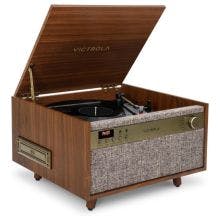
There are a few decks that didn't make our list as they're self-contained record players rather than separate turntables. But, if you are looking for a deck, amp and speakers (or more) in one package, we recommend these models. You won't be getting the rich, warm sound you might expect from a dedicated hi-fi amp and the best speakers for vinyl, but these brands are renowned for build quality and reliability. They're also ideal for those with limited space who want to revisit their record collection.
What To Look For In a Budget Record Player
There's no shortage of stylish-looking record players to be found – and that can create a bit of a minefield when shopping for your next deck. Our list of recommended turntables should help you narrow things down, but it always pays to know what to keep an eye out for based on the features you need the most.
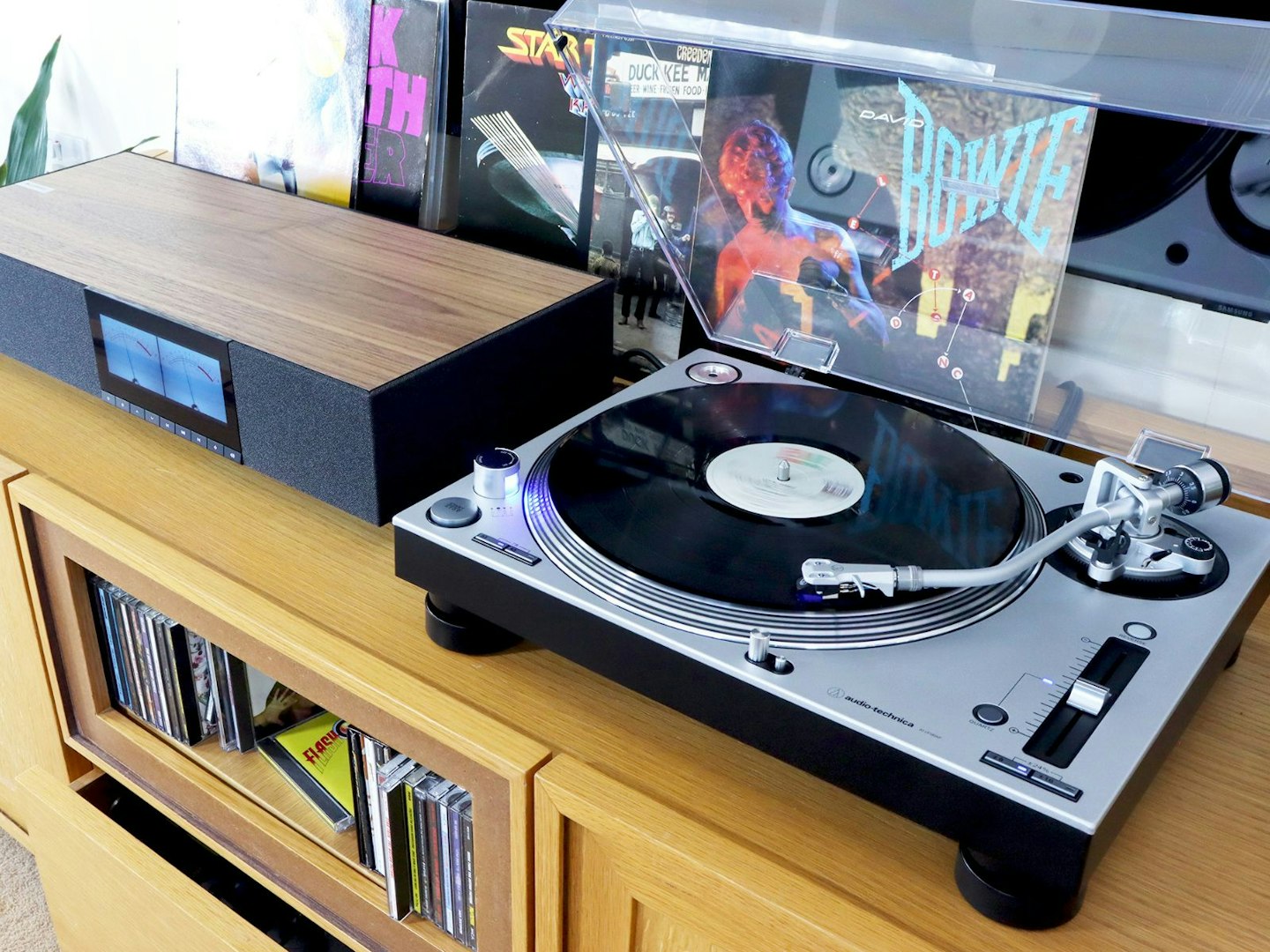
For instance, you might be thinking about ripping your rarest pressings to MP3 or lossless file formats – in which case you'll need a deck that can output digitally (USB). You might want a fully automatic model to avoid having to lift the stylus. Or perhaps you're all about the sound and need to know more about preamps and different types of motor drive. Here are some pointers.
Manual or Semi-automatic or Automatic
You're less likely to find a quality fully automatic turntable in the budget bracket (although we did find a couple). These decks spins the record and control the tonearm all at the touch of a button. At the end of playing that side, it lifts the tonearm and returns it to its starting point while stopping the platter. For those who love the ritual of playing vinyl, a fully manual deck means you have to do all of that yourself – including, crucially, lifting the stylus from the run-out groove once that side has been played and stopping the platter yourself.
On balance, for newcomers we recommend a semi-automatic model. Understandably, they're the most common type of turntable as it will let you manually control playback but still offer the reassurance of automatically stopping the platter and lifting the tonearm at the end.
Do You Need a Preamp?
Many modern turntables come equipped with a built-in phono preamp for connecting to an amplifier. Thankfully that makes things a lot simpler if your amplifier doesn't have a dedicated phono input. So, why does this matter?
Well, a preamp (or phono stage) amplifies the cartridge's low-level signal, making it compatible with amplifiers or powered speakers. If your chosen turntable lacks a built-in phono preamp, you have two options: choose an amplifier (or active speaker system) that has a dedicated phono input plus a ground connection that turntables need to avoid interference, or buy an external preamp. If your chosen deck and existing amp both have a preamp there's usually a switch to defeat the one in the deck to avoid pre-amping twice.
Do You Need a Turntable with USB or Bluetooth?
Although many vinyl and analogue purists will cringe a little at decks with USB and Bluetooth output, they do have their uses. Connecting the USB to a PC or digital audio recorder will allow you to save your favourite LPs, classics, or rare pressings for more casual listening while keeping your originals safely in their sleeves. Meanwhile, although Bluetooth technology does allow for easy wireless connections to compatible amps and so on, it does introduce compression and, of course, convert your lovely analogue vinyl sound into digital. That said, if you own a pair of wireless headphones and like the odd late-night listening session, you can do just that without waking the household.
Belt-drive or Direct-drive
A little bit of a deeper dive here for those who need it. Belt drive turntables use a tensioned belt to connect the motor to the platter, whereas direct drive connects the motor directly to the platter instead. If precise speed control, quick start-up times, and the need for pitch adjustments are your priorities, then a direct-drive turntable might be the more suitable choice. On the other hand, opting for a belt-drive turntable could be ideal if you value quieter operation, reduced vibrations, and a more classic turntable experience. With the correct setup and cartridge combination, both can deliver outstanding audio performance.
Turntable Accessories
No turntable is complete without a few essential accessories to keep things running smoothly, as well as adding a touch of style. They're also affordable enough to make brilliant gifts for any music fan. Here's our pick of the best to get you started.
 Big Fudge
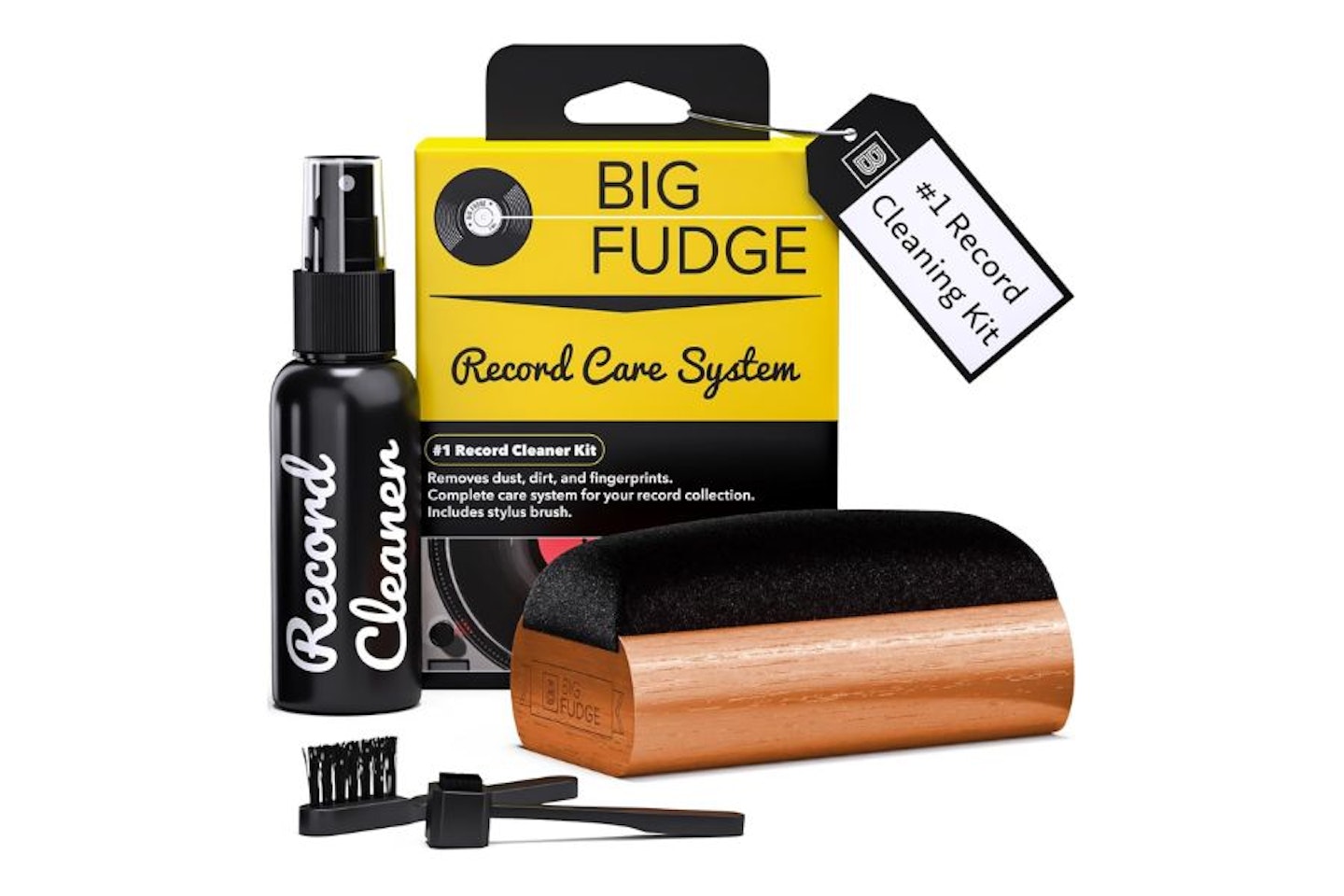
There's no substitute for keeping your precious wax and stylus free from dust and fluff. This four-in-one kit from Big Fudge is really the least you can do to maintain your records – with more involved methods like the Spin Clean Record Washer and HumminGuru Ultrasonic Vinyl Record Cleaner those with more time and deeper pockets. Here you get a stylus brush, small brush, cleaning solution and a velvet brush to really get into those grooves without damaging them.
 Spincare
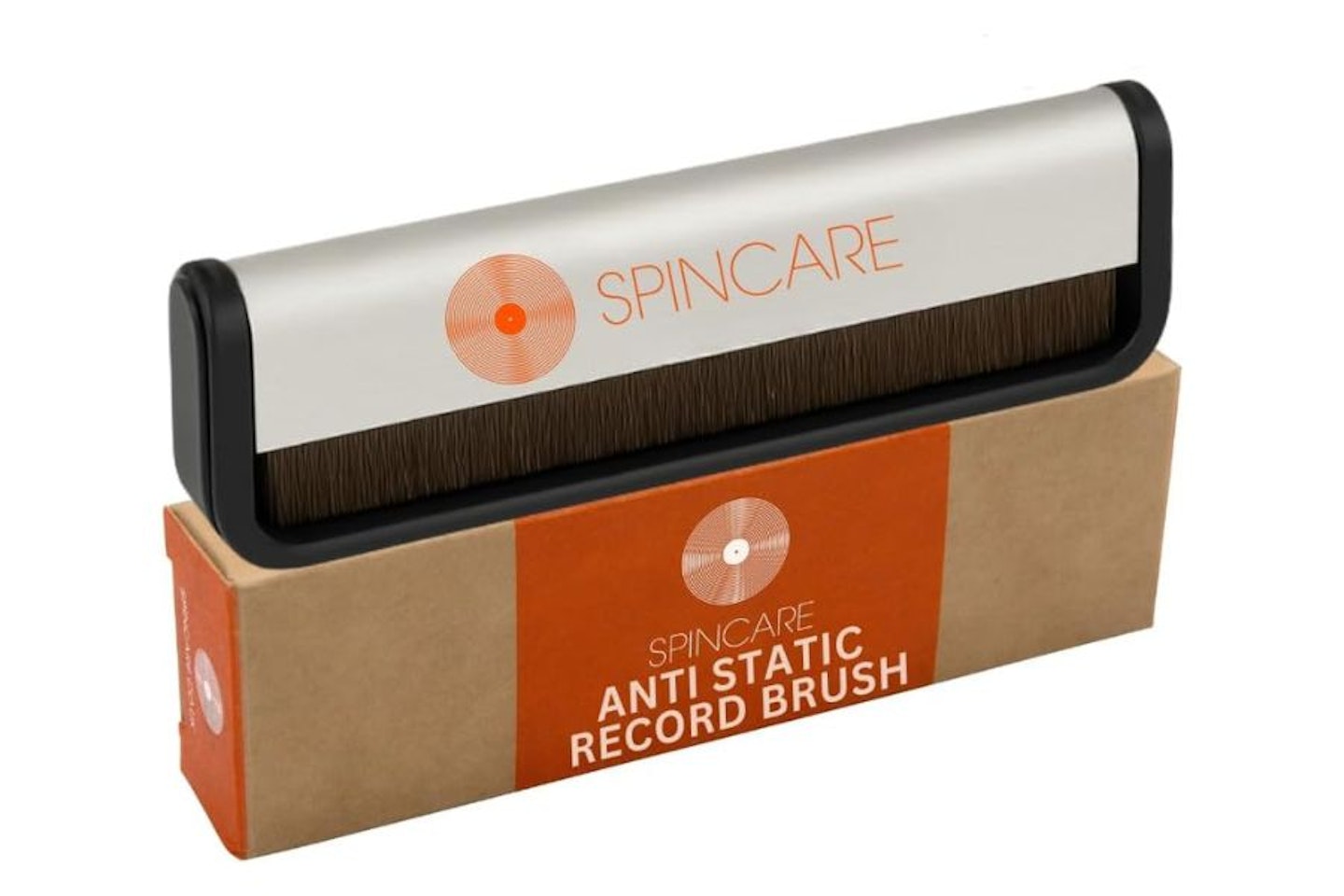
 Wait a minute – haven't you just bought a cleaning brush as part of your cleaning kit? Well, when it comes to vinyl cleaning gear we're not fans of making them pull double-duty. It's much better to have one brush for more intensive cleaning jobs and another to just run over the grooves before you spin them. This carbon fibre brush is perfect for that pre-play clean and it's anti-static too.
 HMV
HMVhmv.com
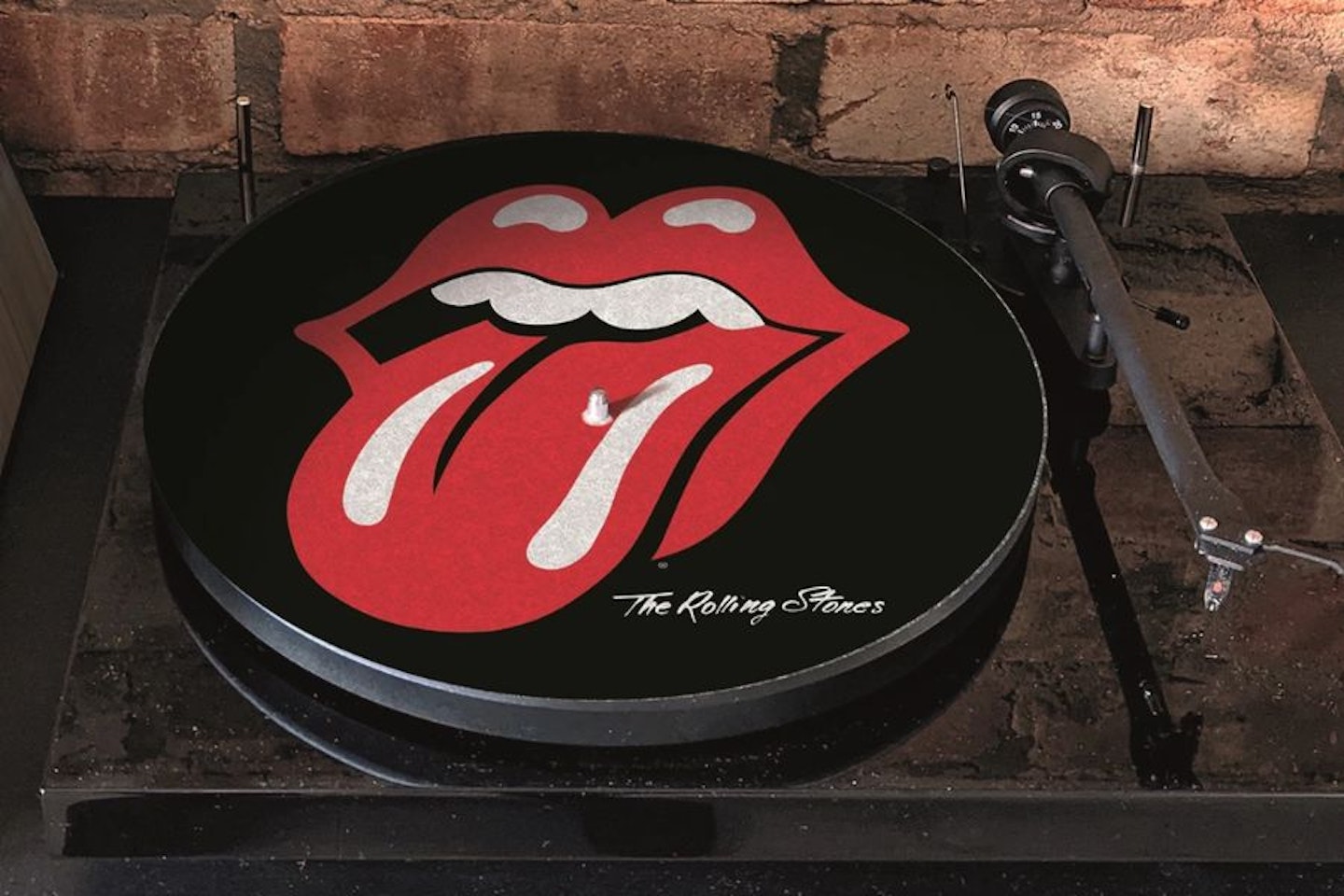
One for anyone who want to roll out the red (felt) carpet next time they want to play Let It Bleed or Hackney Diamonds. As it is, it's a pretty basic felt mat – but there are plenty of slipmats in materials and designs out there to choose from. A simple and affordable way to give your deck a splash of style to match your favourite records and artists.
Turntable Terminology
There's no shortage of jargon in the turntables and vinyl records universe. But don't let it put you off, especially if you're a newcomer. Relatively few components make up the average record player, but knowing what each one does and how it works is essential if you want to enjoy your new deck to the fullest. Many of these explanations will help you set up your player correctly, too.
Plinth
The plinth is basically the main body (or chassis) of the turntable that houses the internal mechanism and circuitry, providing a stable platform for the rest of the components. However, it has another equally important role when it comes to sound quality. Inferior decks are often cheaply made, and that usually means a lightweight plastic plinth. The real issue with this, aside from build, is weight. Generally speaking, a solid and weighty plinth on well-grounded feet will help to dampen and isolate the deck from any vibration that might come from nearby speakers or other sources, including itself. That in turn means that fewer vibrations will be able to travel down the tonearm or through the platter, improving the sound.
Platter
Much like the plinth, the platter (the part that spins) has more than one job. Other than being connected to the motor (either belt drive or direct drive - more on that below) and spinning at accurate speeds for your 33⅓ or 45 RPM records, its weight and material also matters. A solid platter, such as one made from acrylic, is going to dampen more vibration and improve bass and clarity over an aluminium one. However, they're expensive and usually only a fixture of premium decks. That doesn't mean that a quality metal platter isn't going to work perfectly well when fitted with a cork, felt or rubber slipmat, all being able to dampen vibrations and make sure that the record is correctly placed.
Tonearm
The tonearm is the movable arm on a record player that houses the cartridge and stylus at one end. You may have seen these in two main variations: straight or S-shaped. The curved S-shaped version is supposed to slightly counteract the inward force of the record's groove that can lead to the stylus 'skating' across the surface. They're also made from different, usually strong and lightweight, materials that essentially work to isolate the cartridge from any vibrations. That means better sound as the stylus can more accurately track and relay the audio from the groove.
Counterweight
This is the cylindrical block on the opposite end of the tonearm, sitting on the other side of its mount point (arm base) on the plinth. It normally has numbers marked around it that will let you know how far you've adjusted it. Turning it will move it up or down the tonearm, thereby adjusting the amount of downward force there is on the stylus at the other end.
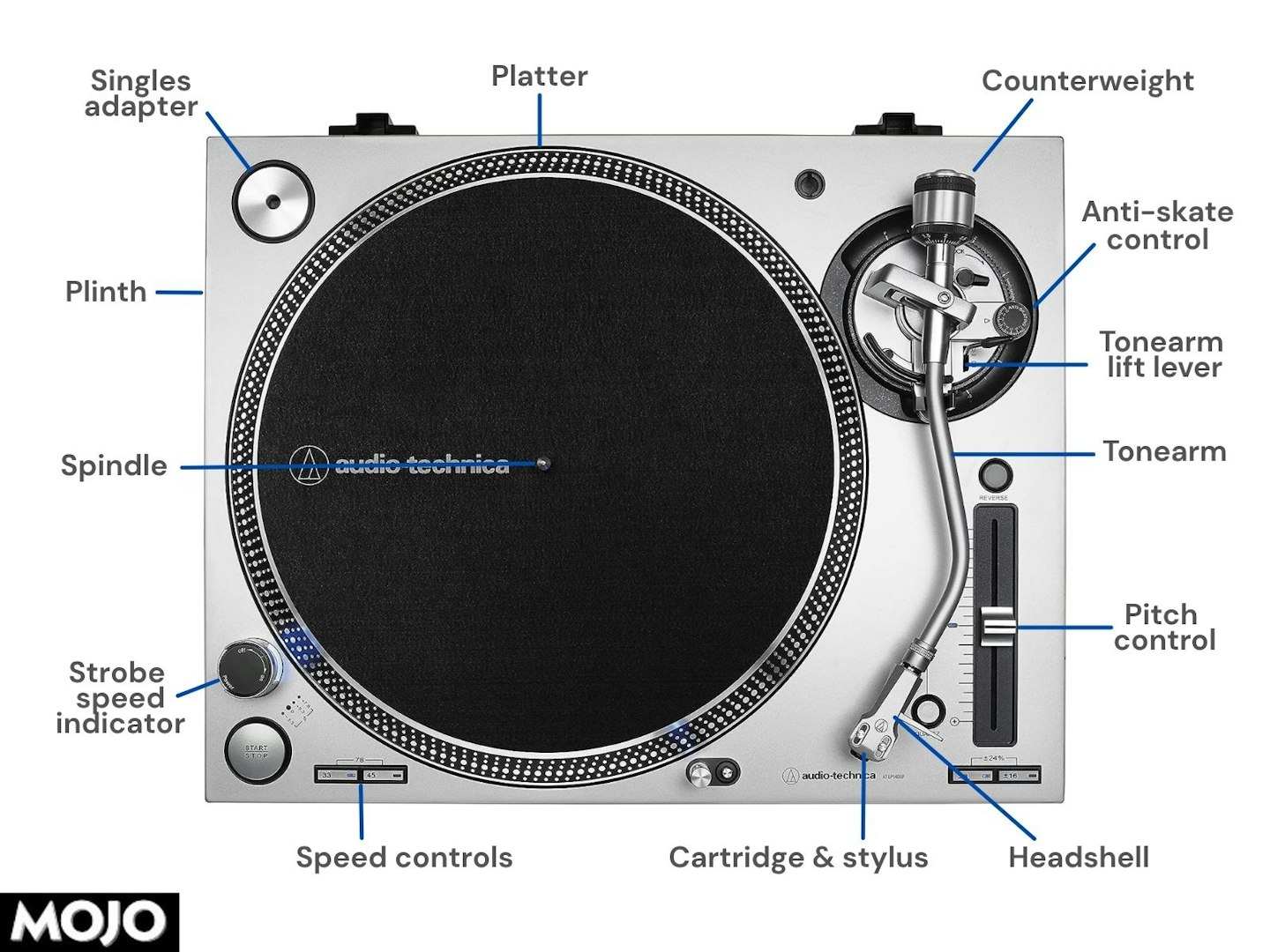
Headshell
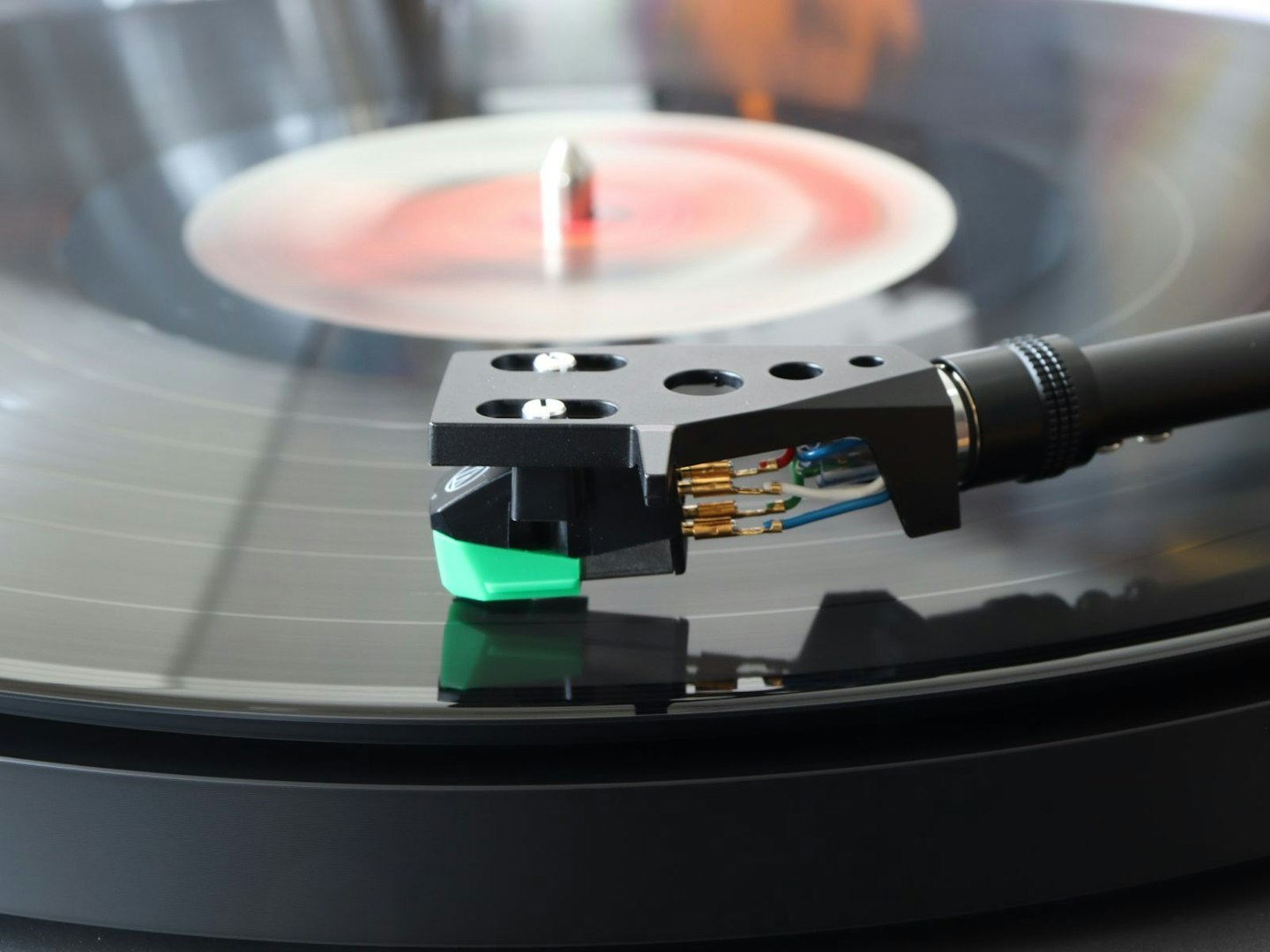
This roughly rectangular component at the end of the tonearm has a couple of functions. Foremost, it houses the cartridge in a stable way for the best sound performance, but it also has a small arm attached that will let you safely handle the tonearm when cueing-up a record. Some headshells are easily removed and upgraded, with most decks at the cheaper end having non-removable versions. Bought separately as an upgrade, some headshells come with pre-installed cartridges too – ideal for those who don't want the hassle of fitting their own cartridge and having to make sure it's properly aligned.
Cartridge
Often confused with the stylus itself, the cartridge is a single (normally removable) unit that is mounted to the headshell. It's job is to hold the stylus in place and convert its movement into the electrical signals that then travel to the player's circuitry via wires in the tonearm. There are a couple of ways that cartridges do that: moving magnet (MM) or moving coil (MC). MC cartridges are premium items costing far more than the MM type and are supposed to improve the detail and sound quality. That said, the vast majority of non-audiophile decks will use the moving magnet variety.
Stylus
Often called a needle after the earlier and much more crude technology of the gramophone player, the stylus is a far smaller and more precision instrument. The tip of the stylus is often made from diamond and can be shaped differently (conical or elliptical, for example) depending on the sound profile you prefer. But don't worry, they'll all work with any of your records. As the record spins, the stylus travels down the groove and transfers the vibrations to the cartridge which then converts it to an electrical signal.
Tracking Force
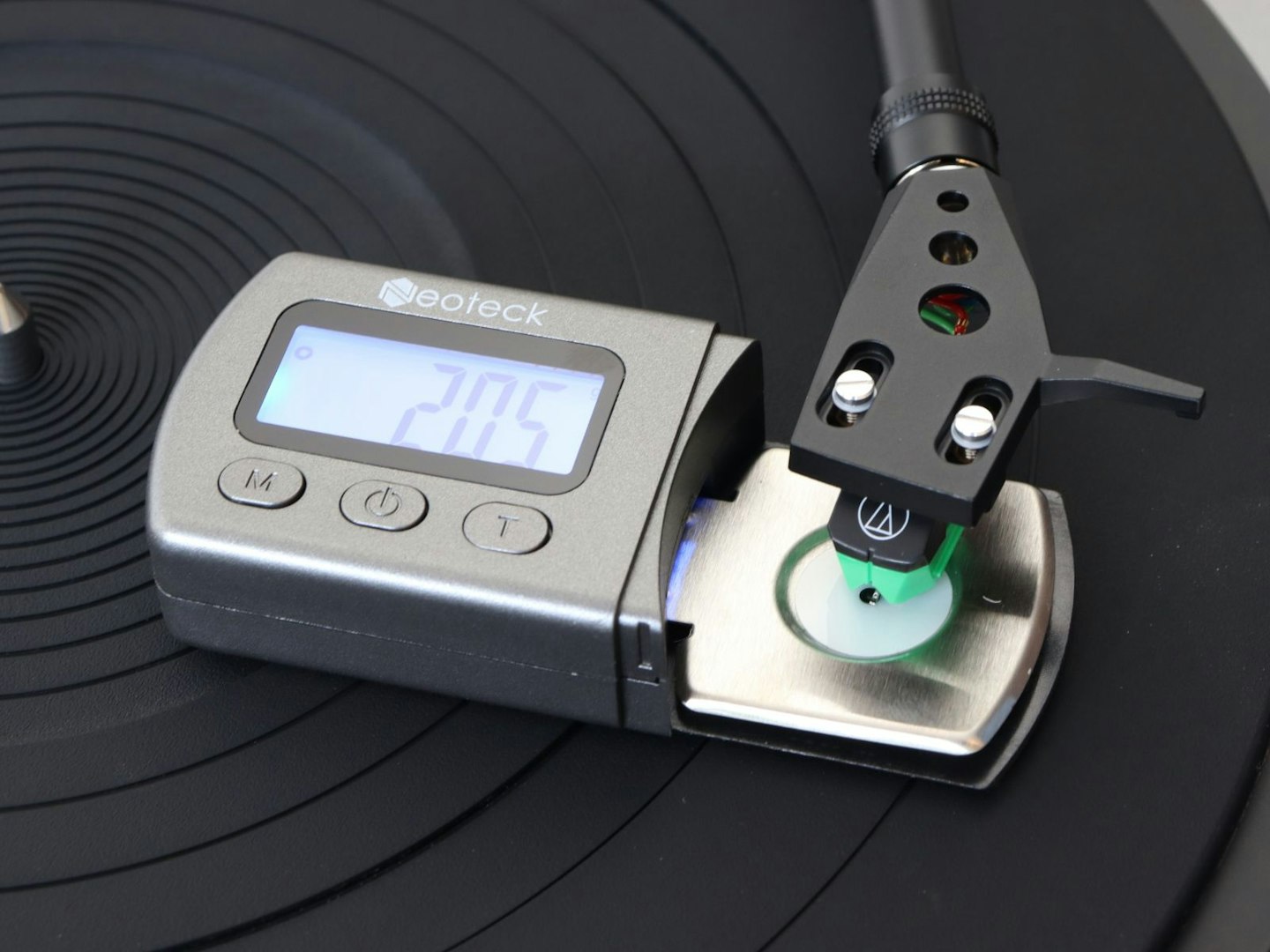
Tracking force refers to the weight a stylus applies to a record during playback – which is largely dictated by your counterweight. Setting this correctly is crucial for good quality playback and for minimising wear on the record and stylus itself. Different cartridges specify their optimal weight to suit the stylus it's fitted with, so following the manufacturer's guidelines here is essential. A digital stylus scale is a small and affordable essential that will tell you the current tracking force and allow you to tweak the counterweight to suit.
Anti-skate
There are a few reasons why your tonearm might suddenly skate across the surface of your record, even if it's S-shaped. The usual suspects are an incorrectly set up counterweight and/or a record with tightly-spaced shallow grooves. Both of these can basically mean that the natural inward force applied to the tonearm as the record plays outstrips its ability to stay in the groove. Anti-skate is a simple weighted mechanism on some players. A small control knob can be tuned to apply an outward force to the tonearm, counteracting the any swing towards the centre of the platter. Having this set up correctly can also maintain channel balance, reduce distortion, and minimise stylus and record wear.
Pitch Control
Pitch control allows users to adjust the turntable speed in RPM. This feature is typically found on direct-drive turntables and is popular with DJs for precise beat matching (accurately matching song tempos). If you're a stickler for precision, use an RPM app on your phone or the built-in strobe indicator (the light in combination with dots around the edge of the platter). This will tell you how accurate your deck speed is, which can then be adjusted using pitch control.
Phono Stage / Preamp
Perhaps one of the more overlooked requirements of many record decks, the phono stage (also known as a preamp) is often built into modern turntables with a switch to defeat it if you want to use an external phono stage. Sometimes your amp will have one built in as well – but you only need one of them to be present. It has one simple job to do: amplify the low-power audio signals generated by the cartridge to a level that most amplifiers can use. If you've ever plugged a record player into an amp where neither has a preamp, the volume will be weak and turning up your amp to make it louder can cause damage. So, check that either your amplifier or deck has a preamp and you'll be good to go. External phono stages have become big business in recent years, many brands taking the same high-tech high-fidelity approach as seen in full size hi-fi amplifiers for even better sound.
FAQs: Best Budget Record Players
Are budget record players any good?
As with all music tech, this really depends on how much you spend and the brand of turntable you choose. With so many cheap and nasty sub-£100 models on the market it's easy to end up with something that sounds poor with a stylus that might even harm your records. That's why our guide and list of turntables can help you to buy wisely.
What is the best record player brand?
The vinyl listening world is filled with budget players that some serious music fans rate while others don't. A few of our favourite brands based on reputation, quality build and solid audio quality are Audio-Technica, Fluance and Pro-Ject.
What's the difference between a turntable and a vinyl player?
They both are technically capable of spinning a record, but a turntable normally describes a deck that requires connection to other equipment to play the music – such as a separate amplifier and speakers. Whereas the term vinyl player (or record player) is often used to describe a standalone unit that houses the turntable, amp and speakers in-one. That said, people do use the terms record player and turntable interchangeably, so our guide uses both – but our line-up only features turntables that require a separate amplifier, as standalone players are rarely the best for audio quality or build.
What to avoid when buying a record player?
As we mentioned in our article, we don't recommend dipping under the £100 mark as that can lead to inferior sound and even record damage. Preferably you should aim closer to a £200 budget or higher. We also don't recommend all-in-one record players with their own internal amplifiers and speakers as they're typically made from cheap, lightweight components and materials.
Are more expensive vinyl players better?
In short: Yes. Although, at some point spending more on a deck may yield fewer audible benefits over slightly cheaper models – such as those just outside the high-end audiophile market.
How much should I spend on a record player?
We think that the £350 to £500 bracket is the sweet spot when it comes to spending a sensible amount of money on the best possible sound.
Do high end turntables sound better?
As alluded to in our answer to 'Are more expensive vinyl players better?', yes – they absolutely do sound better (provided you choose the right brand and model). Although, there is a point at which spending more doesn't deliver huge leaps in quality. That's why we like the record players at the higher-priced end of the budget category.
What are the best speakers for record players?
The main thing to look for when buying speakers for use with record players is matching their impedance (measured in Ohms) with that of the amplifier you're connecting your deck to. If the speakers' impedance lies outside of the range supported by the amp you could end up over or under-driving them, potentially causing damage to both the amplifier and speakers. The same goes with record players that contain an internal amplifier but allows you to connect your own speakers. As for which speakers are best, we recommend you read reviews and go for speakers that support the warmth and natural sound profile of vinyl.
How to change a needle on a record player?
The needle, or stylus, on your record player is prone to wear and tear depending on how long it's been used and what it's made from. Every stylus has manufacturer's guidelines for how often it should be replaced, but much of this will come down to how often you use your deck. As for replacing the stylus, this will differ depending on your record player and tone arm/headshell setup. Some cheaper decks come with non-replaceable cartridges (which we don't recommend in our pick of the best), while most others allow you to mount the cartridge into place on the headshell, making simple wire connections and mounting with screws. But the process doesn't end there, as many cartridges will then need proper alignment which involves adjusting its mounting in the headshell. Our advice here is: Read the instructions that came with your replacement cartridge. Some manufacturers actually sell a pre-aligned cartridge already mounted in a replacement headshell, but that is naturally more expensive.
Why is my record player skipping?
There could be several reasons why the stylus is skipping across the grooves in your record. The most common reason is lack of an anti-skate mechanism on your player, or one that hasn't been set up properly. This is basically a setting that will counteract the natural forces that want to pull the stylus and tonearm towards the centre of the record. This can be related to the second thing to look at: the counterweight. The counterweight, as mentioned in the article, is set up so that the downward force on the cartridge is right for the stylus. Too much force and you could damage the grooves or the stylus, too little and the stylus might skip across the grooves. Other possibilities include a badly worn stylus and/or records with tightly-packed grooves – commonly seen on Best Of or compilation LPs that cram more tracks on each side.
Is a 45 or 33 record player better?
45 or 33 in this question refers to the RPM of a record (revolutions per minute). That's the speed setting that your player needs to be on to correctly play the vinyl on the deck. 7-inch singles are commonly 45 rpm records, and 12-inch records come in both 45 and 33 1/3 rpm. Extended mixes of 7-inch singles can be found on 12-inch singles, hence the 45 rpm speed; with normal LPs being the slower 33 1/3 rpm. So, one is not better than the other, just different speeds depending on what you're playing.
Latest Updates
This article was first published in November 2025. Future relevant additions and amendments will be noted here.
2 December 2025: Answered the FAQs 'How to change a needle on a record player?', 'Why is my record player skipping?', and 'Is a 45 or 33 record player better?'.
Chris Duffill is a Senior Tech Writer and reviewer specialising in audio products, home cinema and computing. He's written extensively for Empire Online, What's The Best, Yours and other brands. He owns both vintage and modern hi-fi equipment and collects various music formats – from vinyl, cassette, CD and MiniDisc, to streaming music and lossless formats. Despite everything that digital music has to offer, the artwork, sleeve notes and the ritual of vinyl always draws him back to his record collection.